 St. Petersburg Siding
 Board & Batten on a Barrier Island: What St. Pete Beach Homes Are Up Against
St. Pete Beach sits right on the Gulf side of Pinellas County, which means every exterior surface on a home here is doing a harder job than the same surface would do a few miles inland. Salt-laden air moves off the water constantly, working into fastener heads, caulk joints, and any seam that isn't detailed correctly. Add in the intense, near year-round Florida sun, wind-driven rain that gets pushed sideways during storms, and the occasional hurricane-force gust, and you have a climate that finds every weakness in a siding system within a few years, not a few decades.
Board & batten siding is a popular choice on this stretch of coast because the vertical lines and clean shadow pattern suit the beach-cottage and coastal-modern looks homeowners want here. But the style is only half the equation. What the boards and battens are made of, and how they're fastened to the wall, determines whether that look survives a single Gulf storm season or needs to be redone in five years.
What Board & Batten Siding Actually Is (and Why It Fits This Look)
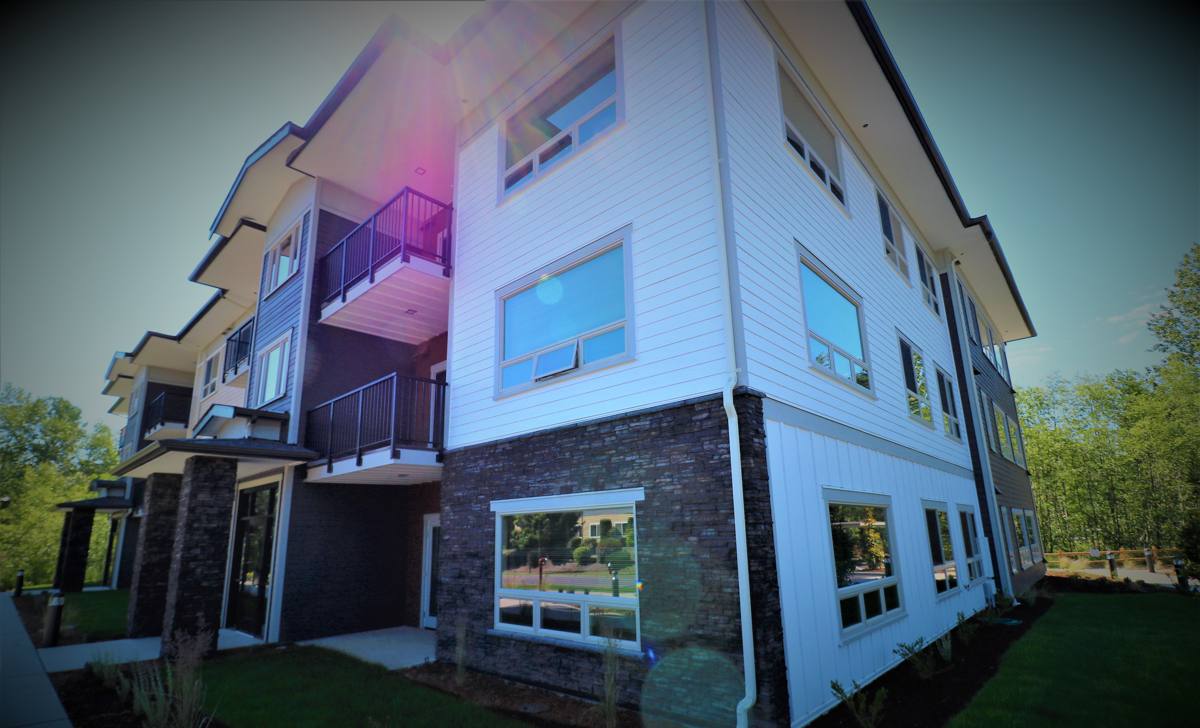
Board & batten is a two-layer siding pattern: wide, flat boards are installed vertically with a gap between them, then a narrower strip — the batten — covers each seam. Historically it comes from barn and farmhouse construction, but the strong vertical lines and deep, consistent shadow lines have made it a go-to choice for coastal and modern-farmhouse exteriors up and down the Florida Gulf coast. It reads clean from the street, it pairs well with the metal roofing and standing-seam accents common on this stretch of coast, and it can be mixed with lap siding on the same house to break up a facade — a full board & batten front elevation with lap siding on the sides, for example.
The visual appeal is straightforward. What's less obvious to most homeowners is that the seam-and-batten design creates more joints, more fastener penetrations, and more edges exposed to weather than a standard horizontal lap profile does. Every one of those joints is a potential entry point for wind-driven rain if it isn't installed correctly, which is exactly why material choice and installation detail matter more here than they would on a plainer profile.
The Material Question: Why What's Behind the Battens Matters More Than the Style
We install James Hardie fiber cement exclusively, and board & batten is one of the profiles where that decision shows up most clearly in long-term performance. Here's the honest comparison of what's commonly used for this style, and how each holds up a few blocks from the Gulf.
Fiber Cement vs. Wood, Vinyl, and Engineered Wood in Salt Air
| Material | Salt Air / Moisture Behavior | Wind & Impact Resistance | Maintenance Burden | Typical Lifespan Here |
|---|---|---|---|---|
| James Hardie fiber cement | Doesn't absorb moisture or corrode; factory ColorPlus finish resists salt-air fading | Engineered HZ product line rated for high-wind, high-moisture climate zones | Occasional rinse and repaint of caulk lines; no rot risk | 30+ years when installed to spec |
| Solid or engineered wood | Absorbs humidity and salt spray; prone to swelling, warping, rot at seams | Softer material, more prone to splitting under wind-driven debris | Regular repainting, sealing, and rot inspection | Often 8-15 years before major repair here |
| Vinyl board & batten | Doesn't rot, but UV exposure fades and embrittles it faster in intense Florida sun | Can crack, warp, or blow off in sustained high winds; seams flex | Low upkeep but limited repair options once faded or cracked | Variable; sun and wind exposure shorten it considerably on the coast |
| Primed spruce / cedar boards | Natural wood movement plus coastal humidity accelerates cupping and joint failure | Requires careful fastening; still vulnerable at cut ends and seams | Highest maintenance of the group; repainting cycle is frequent | Shortest realistic lifespan in this environment |
None of these materials are junk — vinyl and wood both have a place in less demanding climates, and homeowners sometimes choose them because they're familiar or because the upfront cost is lower. But on a barrier island where UV load and salt exposure are both at the high end of what Florida sees, the trade-offs stack up fast: more repainting, more caulk failure, more risk of moisture getting behind the boards. That's the specific reason we standardized on Hardie's fiber cement system rather than offering all four side by side.
What a Correct Board & Batten Installation Involves Here
The board & batten look can be installed badly and still look fine for the first year. The problems show up later, at the seams and fastener points, once salt and moisture have had time to work. A correct installation addresses these details up front.
Fasteners, Flashing, and Ground Clearance
- Corrosion-resistant fasteners rated for coastal exposure — standard fasteners corrode and streak the siding within a few seasons this close to the Gulf
- Weather-resistant barrier installed continuously behind the boards, lapped correctly at every seam and penetration
- Flashing integrated at every window, door, and roof-to-wall transition, not just caulked over
- Minimum ground clearance maintained so boards aren't sitting in splash zones during heavy rain events
- Proper gap and fastening at each batten so the boards can expand and contract with temperature and humidity swings without buckling
Spacing and Sealant Joints
Board & batten has more vertical seams than lap siding, and every one of those seams needs the right gap width and a sealant rated for sustained UV and salt exposure — not a general-purpose caulk that chalks and cracks within a couple of summers. Battens also need consistent, correct fastener spacing down their length; battens that are only tacked at the top or bottom are the first thing to work loose in sustained coastal wind.
Our Process for St. Pete Beach Board & Batten Projects
We walk every project through the same sequence, whether it's a full re-side or a board & batten accent wall on an existing home:
- On-site assessment of the current siding, sheathing, and any moisture or rot already present behind it
- Removal of the old siding and inspection of the wall assembly before anything new goes up
- Repair of any compromised sheathing or framing found underneath — this gets flagged and discussed before we cover it back up
- Installation of a continuous weather-resistant barrier and correct flashing at every penetration
- Installation of James Hardie boards and battens to manufacturer spec, using the fastening and gap requirements suited to this climate zone
- Final walkthrough and punch list with the homeowner before the job is considered closed
We install James Hardie's HZ10 product line, which is engineered specifically for high-humidity, storm-prone climates like the Gulf coast, with a factory-applied ColorPlus finish that's built to hold color under sustained UV without the repainting cycle that raw or field-painted materials need.
Why a Crew That Already Works St. Pete Beach Makes a Difference
Barrier island construction isn't quite the same as building a few miles inland. Wind-load requirements, flood-zone considerations, and permitting through Pinellas County and the local building department all factor into how a siding job gets specified and installed correctly on St. Pete Beach specifically. A crew that already works this area knows which details get flagged at inspection, how to plan around seasonal weather windows, and what the salt-air maintenance schedule actually looks like for a home a block or two from the water versus one further inland in St. Petersburg proper.
That local familiarity also matters after the install. If a homeowner has a question a year or two later about a caulk line or a fastener that's showing rust, having a crew that's still working in the neighborhood — not one that drove in from out of the area for a single job — makes it far easier to get a straight answer and a fast fix.
What Board & Batten Siding Costs to Expect
Board & batten typically costs somewhat more than a standard lap profile on the same house, mainly because of the extra material (battens) and the additional labor to fit and fasten them correctly. Exact numbers depend on the scope of the job, but the factors below are what actually move the price.
| Cost Factor | Why It Matters |
|---|---|
| Square footage and wall complexity | More corners, windows, and dormers mean more cuts and more seams to detail |
| Full re-side vs. accent application | A single board & batten feature wall costs far less than siding an entire elevation or home |
| Condition of the existing sheathing | Rot or moisture damage found during tear-off adds repair scope before new siding goes up |
| Color and finish selection | Factory ColorPlus finishes vary by color; some premium tones cost more than standard options |
| Site access and prep | Landscaping, fencing, or tight lot lines around a coastal property can add labor time |
We provide a firm, itemized quote after walking the property — not a ballpark over the phone — because the sheathing condition and site specifics genuinely change the scope.
Maintaining Board & Batten Siding in a Salt-Air Environment
Fiber cement cuts the maintenance burden significantly compared to wood or vinyl, but no siding on a barrier island is truly maintenance-free. A simple seasonal routine keeps a board & batten system performing the way it should:
- Rinse the siding periodically to clear accumulated salt residue, especially after storms with heavy onshore wind
- Inspect caulk lines at seams, windows, and corners annually for cracking or separation
- Check visible fasteners for early signs of corrosion or staining
- Trim back landscaping so vegetation isn't holding moisture against the lower boards
- Have any impact damage from storm debris assessed and repaired promptly rather than left exposed
If you're weighing board & batten for a home on St. Pete Beach, or anywhere else along this stretch of the Pinellas County coastline, we're happy to walk the property, look at what's there now, and put together a straightforward, no-pressure estimate using the form below.