 St. Petersburg Siding
 Siding Built for Snell Isle's Waterfront Conditions
Snell Isle sits closer to open water than most St. Petersburg neighborhoods, and that changes what a home's exterior has to survive year after year. Canal frontage, proximity to Tampa Bay, mature tree canopy, and a mix of older and newer construction all mean the siding on a Snell Isle home is doing more work than siding on a house ten miles inland. We're a local exterior contractor that works this area regularly, and this page walks through what we actually see on Snell Isle homes and how we approach siding, roofing, windows, and decks here.
None of this is generic marketing copy. It's the same conversation we have on-site with homeowners before we ever talk about products or pricing.
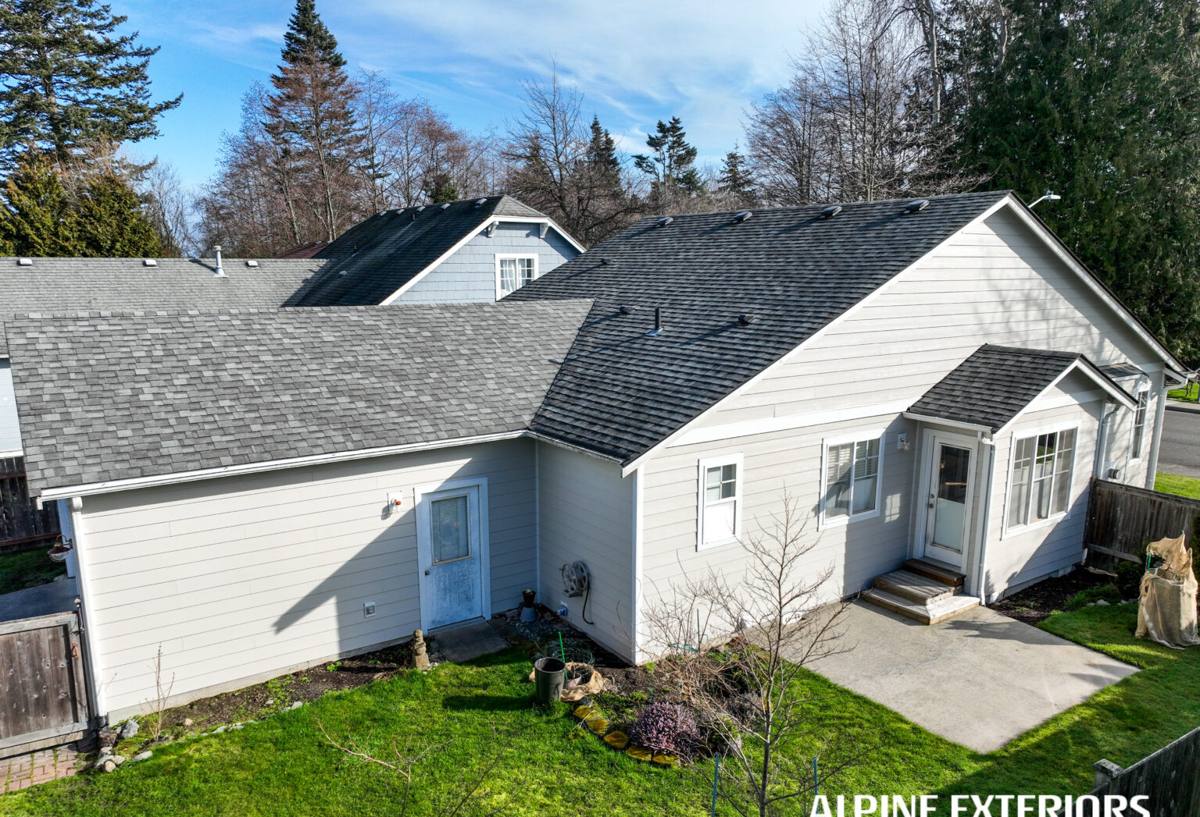
What Waterfront Proximity Does to a House
Salt Air Doesn't Stay at the Water's Edge
Homes near canals and open bay water deal with airborne salt that settles on every exterior surface — siding, trim, fasteners, window frames, railings. Salt is corrosive to metal and it's hard on porous or absorbent building materials. It doesn't take a direct flood or storm surge to cause damage; ordinary breeze off the water carries enough salt over time to accelerate corrosion of fasteners and speed up wear on paint, caulk, and less durable siding materials.
Humidity Is a Constant, Not a Season
Pinellas County runs humid essentially year-round, and a waterfront location like Snell Isle only adds to it. Wood-based and wood-adjacent siding products absorb moisture from the air even without direct rain contact. Over repeated humid-then-dry cycles, that moisture movement is what drives swelling, warping, and eventually rot at seams, corners, and butt joints — the places where water gets a foothold first.
Wind and Wind-Driven Rain
St. Petersburg sits in an active hurricane corridor, and Snell Isle's exposure to open water means wind loads and wind-driven rain can be more intense there than in more sheltered, inland parts of the city. Two things matter for siding in this environment:
- Wind resistance — how well the siding and its fastening pattern hold up to sustained high wind and gusts without lifting, cracking, or blowing off
- Water resistance — how well the wall assembly behind the siding sheds wind-driven rain that gets forced sideways and upward under eaves, at corners, and around openings
Siding that isn't engineered for both of these — or that isn't installed with the correct fastening schedule, flashing, and water-resistive barrier detailing — is the siding that fails first in a named storm, and it's often not the storm itself that causes the damage but water intrusion that follows a compromised seam or lifted panel.
UV Exposure Adds Up
Florida sun is intense and consistent almost all year. UV breaks down pigments and surface coatings over time, which is why siding on the sun-exposed sides of a home often fades, chalks, or shows wear faster than the shaded sides. Factory-applied, baked-on finishes hold color far longer under this kind of sustained UV load than field-applied paint, which is one of the reasons the finish system matters as much as the siding material itself.
Why We Install Only James Hardie Fiber Cement
We get asked why we don't offer vinyl, LP SmartSide, or other engineered wood siding. It's a fair question, and the honest answer is that we made a standard for our own installs based on what holds up in exactly the conditions Snell Isle homes face — salt air, humidity, UV, and wind.
| Material | Where It Struggles Here | Why It Matters on Snell Isle |
|---|---|---|
| Vinyl siding | Can warp or distort under intense heat and direct sun; more vulnerable to wind uplift in high-wind events | Sustained coastal sun and hurricane-force wind exposure are both above-average here |
| Engineered wood (LP SmartSide) | Wood-strand core is moisture-sensitive; edges and cut ends need diligent sealing and maintenance | Year-round humidity plus salt air keeps moisture pressure on the material constantly |
| Cedar / primed spruce | Natural wood requires ongoing repainting, caulking, and moisture monitoring to avoid rot | Salt air and humidity shorten the maintenance interval significantly |
| James Hardie fiber cement | Non-combustible, dimensionally stable, factory-cured finish resists moisture-driven warping | Built for exactly this combination of sun, salt, humidity, and wind when installed to spec |
James Hardie fiber cement is cement, sand, and cellulose fiber — not wood, not vinyl. It doesn't rot the way wood-based products can, it's dimensionally stable so it doesn't expand and contract the way vinyl does under Florida heat, and it's non-combustible. Hardie's ColorPlus finish is baked on at the factory in multiple coats and carries its own separate finish warranty, which matters given how hard UV works on painted surfaces here. Hardie also engineers specific product lines (HZ5 in particular) for regions with more moisture and humidity pressure, which fits the Tampa Bay area well. None of that removes the need for correct installation — flashing, fastening, and joint detailing still have to be done right — but it gives us a material that's built for this climate rather than one we have to over-engineer around.
What a Siding Project Looks Like Here
Assessment First
Every project starts with a walk-around assessment of the current siding, trim, flashing, and any moisture-prone areas — corners, window and door penetrations, roof-to-wall transitions, and anywhere the home faces prevailing wind off the water. On older Snell Isle homes we also check what's happening behind the existing siding, since that tells us more about the wall's condition than the surface does.
Installation Details That Matter Most in This Climate
- Correct fastener type and spacing for coastal wind exposure, using corrosion-resistant fasteners appropriate for salt air conditions
- Proper water-resistive barrier and flashing integration at every penetration, seam, and transition
- Manufacturer-specified gaps and clearances at trim, corners, and the base of the wall to allow for drainage and airflow
- Caulking and sealant only where Hardie's install specs call for it — not as a substitute for correct flashing
Correct installation is what separates siding that performs for decades from siding that fails early regardless of the material. A great product installed poorly will still leak, and that's true of any siding brand.
Beyond Siding: The Rest of the Exterior
Siding doesn't perform in isolation — it works together with the roof, windows, and other exterior components to keep water out and the structure sound. We also handle roofing, windows, and decks, and on Snell Isle homes those systems face the same pressures as the siding:
- Roofing — the roof-to-wall transition is one of the most common places for wind-driven rain to find a way in; roofing and siding flashing need to be coordinated, not treated as separate jobs
- Windows — window flashing integration with the siding's water-resistive barrier is critical near the water, where wind-driven rain is a regular occurrence rather than a once-a-year event
- Decks — outdoor structures near canals or open water deal with the same salt air and humidity exposure as siding, which affects material choice and fastener selection
Handling these as one coordinated exterior, rather than separate trades with separate contractors, reduces the number of seams and transitions where something can be missed.
Why a Local Crew Matters
A contractor who works Pinellas County regularly understands things a traveling or out-of-area crew doesn't: how differently a bayfront-adjacent property like Snell Isle weathers compared to an inland St. Petersburg neighborhood, what wind exposure categories apply locally, and what permitting and inspection expectations look like in this jurisdiction. That local knowledge shows up in the details — fastening schedules, flashing choices, and material selection — not just in showing up on time.
What to Ask Any Contractor Before Hiring
- Are you licensed and insured to work in Pinellas County, and can you provide proof?
- Who will actually be on the crew doing the installation — employees or subcontracted labor?
- What is the manufacturer's installation specification you're following, and will you follow it exactly?
- What does the warranty cover — material, labor, or both — and who backs it if something goes wrong?
- Can you explain, in plain terms, how you'll handle flashing and water management at penetrations?
If a contractor can't answer the flashing and installation-spec questions clearly, that's worth paying attention to — it's usually the first sign of how the rest of the job will go.
Cost Factors for Snell Isle Siding Projects
| Factor | Why It Affects Cost |
|---|---|
| Home size and wall complexity | More corners, dormers, and transitions mean more flashing detail and labor time |
| Current siding removal | Tear-off and disposal of existing material adds labor and dump fees |
| Substrate condition | Rotted sheathing or framing discovered underneath requires repair before new siding goes on |
| Siding profile and finish selection | Hardie offers multiple plank widths, textures, and ColorPlus color options at different price points |
| Access and site conditions | Waterfront lots, landscaping, docks, or limited access can affect staging and labor time |
We don't publish flat pricing because every one of these factors changes the estimate, but we're upfront about the range and the reasoning behind it during the in-person assessment.
Get a Free, No-Pressure Estimate
If you own a home in Snell Isle and want an honest read on your siding, roofing, windows, or deck — whether that's a full replacement, a repair, or just a professional opinion on what shape things are in — we're glad to come take a look. There's no pressure and no obligation. Use the form below to request a free estimate and we'll go from there.