 St. Petersburg Siding
 Siding in Pinellas Point: A Peninsula Climate That Doesn't Forgive Cheap Materials
Pinellas Point sits on the water, and that location shapes everything about how an exterior holds up here. Homes in this part of St. Petersburg deal with a combination most inland Florida neighborhoods never see at the same intensity: salt-laden air drifting off the bay, intense year-round UV that doesn't take a winter break, wind-driven rain that gets forced sideways into seams and laps during storms, and the real possibility of hurricane-force wind loads during the active season. Any one of those is manageable. All four, working on a house at once, year after year, is what separates siding that lasts twenty-plus years from siding that starts failing in five.
We've been doing exterior work in Pinellas County long enough to know that the material choice matters more here than almost anywhere else in the state. A siding product that performs fine in Ohio or even in inland Central Florida can struggle on a peninsula lot exposed to salt spray and constant moisture cycling. That's the lens we bring to every Pinellas Point job.
Why We Only Install James Hardie Fiber Cement
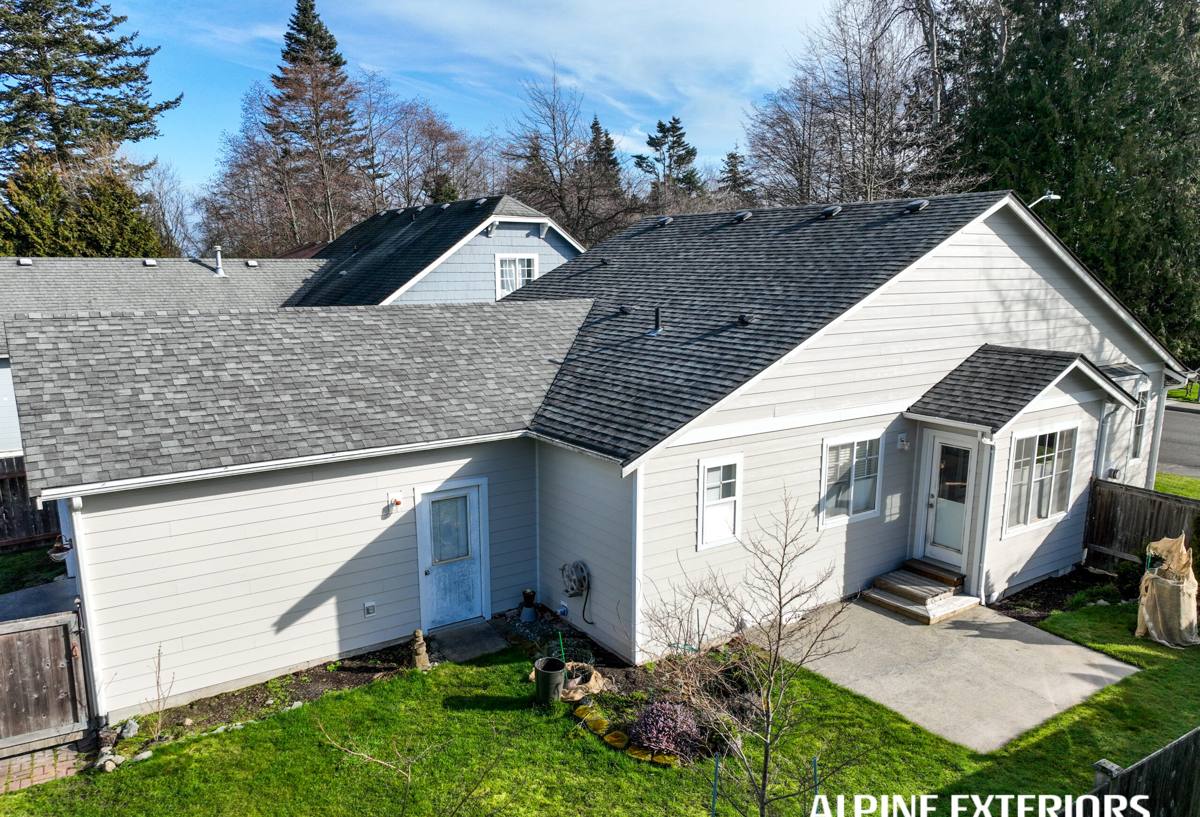
We made a decision as a company to install one siding system: James Hardie fiber cement. Not because it's the only product on the market, but because after years of installing and repairing exteriors in coastal Pinellas County, it's the one we trust to hold up to what this specific climate does to a house.
Fiber cement is a blend of cement, sand, and cellulose fibers, engineered to be dimensionally stable and non-combustible. It doesn't warp in heat, it doesn't rot when it takes on moisture, and it isn't a food source for the insects and mold that thrive in Florida's humidity. James Hardie backs its products with a factory-applied ColorPlus finish, baked on under controlled conditions rather than field-painted, and a transferable warranty structure that matters if you ever sell the home.
None of that makes fiber cement magic. It still has to be installed correctly — proper clearances, correct fastening patterns, sealed joints, and flashing details that account for wind-driven rain — to deliver on what the product promises. That installation discipline is as much a part of what we sell as the siding itself.
What "Climate-Engineered" Actually Means
James Hardie makes different formulations of the same core product for different climate zones. The HZ5 line, engineered for humid, freeze-free climates like ours, is formulated to resist moisture-related issues that show up in high-humidity, high-UV environments. That's a meaningful distinction for a house near the water in St. Petersburg — it's not the same board being sold in a dry climate zone with a different set of stresses.
Why We Don't Install Vinyl, LP SmartSide, Cedar, or Other Fiber Cement Brands
Homeowners in Pinellas Point sometimes ask why we won't quote vinyl siding or engineered wood products when other contractors will. It's a fair question, and it deserves an honest answer rather than a sales pitch.
Vinyl Siding
Vinyl is inexpensive and easy to install, and for a lot of the country it does an adequate job. On a peninsula exposed to direct sun and salt air, though, vinyl tends to fade, chalk, and become brittle faster than in milder climates. It also expands and contracts significantly with heat, which stresses fastener points over time, and it isn't rated for the wind speeds we plan around near the water. We don't think it's the right long-term investment for a coastal Pinellas County home, so we don't install it.
LP SmartSide and Other Engineered Wood
Engineered wood siding relies on an intact factory coating to keep moisture out of the wood-strand core. That coating has to be maintained without gaps for the life of the product — any breach at a cut edge, fastener hole, or damaged panel gives moisture a path into a wood-based substrate. In a humid coastal environment with heavy rain events, that's a maintenance burden we don't want to put on a homeowner's shoulders, and a moisture-management job we don't want to be responsible for down the road.
Cedar and Primed Wood Siding
Real wood siding can look beautiful, and there's a reason it's been used for generations. But it demands a repainting and resealing schedule that most homeowners underestimate, and Florida's humidity and UV load accelerate that maintenance cycle. Left unmaintained even briefly, wood siding in this climate is vulnerable to rot and insect damage.
Cemplank, Allura, and Other Fiber Cement Brands
These are legitimate fiber cement products, chemically similar to what we install. Our decision to standardize on James Hardie specifically comes down to their climate-specific engineering for humid zones, the consistency of their ColorPlus factory finish, and the strength and portability of their warranty. It lets us install one system, install it well, and stand behind it with full confidence rather than juggling installation specs and warranty terms across multiple manufacturers.
| Material | Upfront Cost | Coastal Durability | Maintenance Burden |
|---|---|---|---|
| Vinyl | Lowest | Fades, warps, weak in high wind | Low, but replacement comes sooner |
| LP SmartSide / engineered wood | Moderate | Coating-dependent, moisture-sensitive | High — coating must stay intact |
| Cedar / primed wood | Moderate to high | Beautiful but rot- and pest-prone | Highest — regular repainting/sealing |
| James Hardie fiber cement | Moderate to higher | Engineered for humid, coastal zones | Low — factory finish, no repainting cycle |
How Siding Fails Near the Bay — And What Correct Installation Prevents
Most siding failures we see in Pinellas Point homes aren't really material failures — they're installation failures that the climate exposed. Wind-driven rain finds gaps at butt joints and window trim that were never properly flashed. Fasteners placed too close to a panel edge crack over years of thermal movement. Caulk joints that weren't given proper clearance fail and let moisture behind the cladding, where it sits against sheathing that can't dry out fast enough in our humidity.
Correct installation for this environment means following manufacturer clearances and fastening specs exactly, integrating proper flashing and weather-resistive barrier details at every penetration, and finishing joints in a way that actually sheds water instead of just looking sealed. It's not glamorous work, but it's the difference between siding that shrugs off a tropical storm and siding that needs repair after one.
Roofing, Windows, and Decks: Your Exterior Works as One System
Siding doesn't perform in isolation. A roof that's shedding water improperly onto a wall, windows with failed flashing, or a deck ledger board that's letting moisture into the structure will undermine even a well-installed siding job. We handle roofing, windows, and decks alongside siding because a coastal Pinellas County exterior needs to be thought of as one connected system, not a set of separate projects.
- Roofing: Wind rating and proper underlayment matter as much as the shingle or metal choice, especially for a home this close to open water.
- Windows: Impact-rated windows, correctly flashed, protect both the glass and the wall assembly behind it during wind events.
- Decks: Salt air and humidity accelerate corrosion on fasteners and hardware — material and connector choice matter more here than inland.
When we're on-site for a siding project, we're also looking at how it interfaces with the roofline, window openings, and any attached deck or porch structure, because that's where a lot of hidden moisture problems start.
Why a Local Crew Matters in Pinellas Point
A crew that works around Tampa Bay regularly understands things that don't show up in a spec sheet: how salt exposure varies block by block depending on proximity to open water, how Pinellas County's permitting and wind-load requirements apply to a given project, and what a house on this peninsula typically looks like under its existing siding once you open it up. That familiarity shortens the guesswork and reduces surprises mid-project. It also means someone who's easy to reach after the job is done, not a crew that worked the area for one season and moved on.
What to Expect From an Estimate and Installation
- An on-site inspection of your current siding, trim, and any visible moisture or wind damage
- An honest assessment of whether repair or full replacement makes sense for your home
- A clear explanation of which James Hardie product line and profile fits your house and budget
- A written estimate with no pressure to sign on the spot
- A project timeline that accounts for weather and material lead times
- Proper removal of old material, inspection of the sheathing underneath, and repair of any hidden damage before new siding goes up
Cost Factors Worth Understanding Before You Get Quotes
Siding costs vary based on more than just square footage. The condition of the substrate underneath matters — if sheathing needs repair after removal, that adds labor and material. Home shape and trim complexity affect labor time; a house with a lot of corners, dormers, or architectural detail takes longer than a simple rectangular footprint. The James Hardie product line and profile you choose (lap siding versus shingle-style panels, for example) also affects material cost. We walk through all of this during the estimate so there are no surprises once work starts.
Ready for a Straightforward Look at Your Options?
If you're weighing a siding replacement, repair, or a broader exterior update in Pinellas Point, we're happy to come take a look and give you an honest read on where things stand. There's no pressure and no obligation — just a clear picture of your options and what we'd recommend for a home in this specific climate. Use the form below to request a free estimate.