 St. Petersburg Siding
 Pinellas Point Roofs Work Harder Than Most
Pinellas Point sits on the southern tip of St. Petersburg, surrounded on three sides by water. That location is part of what makes the neighborhood desirable, and it's also exactly why roofs here wear out faster than roofs ten miles inland. A roof on this peninsula deals with salt-laden air moving off the bay, direct tropical sun for most of the year, sudden wind-driven downpours, and the real possibility of a hurricane or tropical storm pushing sustained high winds against the structure. None of these forces are unique to Pinellas Point on their own, but the combination — and the fact that they hit constantly, not occasionally — is what separates a roof that lasts its full rated life from one that fails early.
When we install a new roof in this part of St. Petersburg, we're not just following a generic install checklist. We're building for a specific set of conditions: coastal humidity that never really lets a roof dry out completely, UV exposure that breaks down lesser materials years ahead of schedule, and wind uplift pressures that Pinellas County's building code treats seriously for good reason.
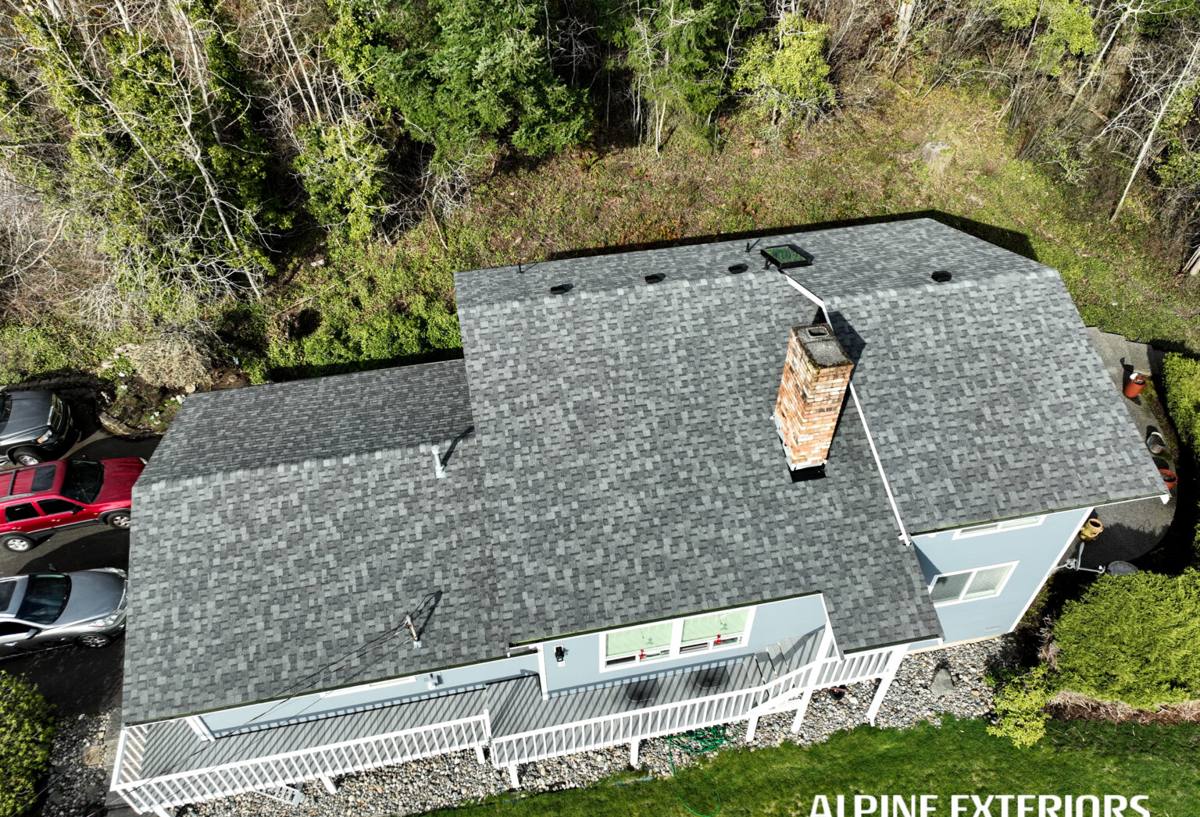
Signs a Pinellas Point Home Needs Replacement, Not Repair
Not every roofing problem calls for a full tear-off. But there's a point where patching becomes a waste of money, and homeowners in this area often reach that point without realizing it because the damage hides under shingles or tile. Some signs worth taking seriously:
- Granule loss showing up in gutters or at downspouts — a sign the shingle surface is thinning and losing UV protection
- Soft spots or slight give when walking the roof, which usually means deck rot underneath
- Curling, cupping, or cracked shingles, especially on south- and west-facing slopes that take the most direct sun
- Water stains on interior ceilings after wind-driven rain, even if there's no obvious leak during a calm rain
- Rusted or lifted flashing around chimneys, vents, and skylights
- A roof approaching or past the age where insurance companies in this area start requiring inspections or non-renewing coverage
That last point matters more here than in a lot of markets. Florida insurers have gotten stricter about roof age and condition, and a roof in the 15-20+ year range can affect what your policy costs or whether it renews at all, independent of whether it's actively leaking.
What a Correct New Roof Installation Actually Involves
It Starts at the Deck, Not the Shingles
A new roof is only as good as what's underneath the visible surface. Once the old roofing material is stripped, we inspect the entire deck for soft, delaminated, or water-damaged plywood or OSB and replace it — not patch around it. Skipping this step is one of the most common ways a "new roof" fails early, because no underlayment or shingle system can compensate for a compromised deck.
Underlayment and Secondary Water Barrier
In a coastal, storm-exposed area like Pinellas Point, the underlayment layer is doing more work than people expect. We use synthetic or self-adhering underlayment rated for wind and moisture resistance, with self-adhering membrane at eaves, valleys, and other vulnerable spots, so that if wind ever lifts or damages the roof covering during a storm, there's still a water barrier protecting the deck.
Flashing Done Right
Flashing around chimneys, walls, vents, and skylights is where most leaks actually originate — not in the open field of the roof. We install new flashing (never reuse old, rusted, or bent flashing) with proper step, counter, and kickout details, sealed to shed water in every direction wind-driven rain can come from.
Fastening for Wind Uplift
Pinellas County's building code specifies fastening patterns and wind-uplift ratings based on your home's exposure category, and coastal peninsula properties like those in Pinellas Point are typically rated for higher wind exposure than inland homes. We fasten to the code-required pattern for your specific location, not a generic minimum — this is one of the biggest factors in whether a roof survives a tropical storm or hurricane intact.
Choosing the Right Roofing Material for This Location
There's no single "best" roofing material for every home — it depends on your roof pitch, budget, HOA rules if applicable, and how long you plan to stay in the home. Here's how the common options compare specifically for a salt-air, high-UV, high-wind environment like Pinellas Point:
| Material | Typical Lifespan Here | Wind Performance | Coastal Considerations |
|---|---|---|---|
| Architectural asphalt shingles | 15-25 years | Good, with proper fastening and high-wind rated products | Most affordable option; UV-resistant granules matter more here than inland |
| Metal (standing seam) | 30-50 years | Excellent when properly fastened | Handles salt air well with correct coatings; higher upfront cost |
| Concrete or clay tile | 30-50 years | Very good, but individual tiles can dislodge in extreme wind if not properly fastened | Common in this area; underlayment condition matters as much as the tile itself |
| Flat/low-slope membrane (for additions, porches) | 15-20 years | Depends on install quality | Needs correct drainage; ponding water is a bigger issue with constant rain here |
We'll walk through which option makes sense for your specific roof structure and budget honestly — including the maintenance trade-offs of each — rather than pushing whatever earns the highest margin.
Permits, Inspections, and Wind Mitigation
Every new roof installation in St. Petersburg requires a permit through the city or Pinellas County, along with mid-job and final inspections. We handle the permitting and coordinate inspections as part of the job — it's not an add-on. Beyond the legal requirement, there's a practical reason to care about this: a properly permitted and inspected roof is what your insurance company and any future buyer will want to see documentation for.
We also recommend a wind mitigation inspection after a new roof goes on. Many homeowners in Pinellas Point don't realize a documented wind mitigation report — covering things like roof deck attachment, roof-to-wall connections, and roof shape — can lower a windstorm insurance premium meaningfully. It's a modest additional step that often pays for itself.
How Our Installation Process Works
1. On-Site Assessment
We inspect the current roof, attic ventilation, and deck condition (where accessible) before quoting anything, so the estimate reflects your actual roof rather than a generic square-footage guess.
2. Material and Scope Walkthrough
We explain the material options relevant to your roof, pricing honestly across a broad range depending on material and roof complexity, and what's included — tear-off, disposal, deck repair allowance, underlayment type, flashing, ventilation, and cleanup.
3. Permitting
We pull the required permit before work begins.
4. Tear-Off and Deck Inspection
Old roofing is removed down to the deck, which is inspected and repaired as needed before anything new goes on.
5. Underlayment, Flashing, and Roof Covering
Installed in that order, to code-required fastening specifications for your home's wind exposure category.
6. Final Inspection and Walkthrough
We coordinate the required inspection and walk the finished roof with you, including gutters, downspouts, and site cleanup — magnetic sweep for nails included.
What to Ask Before Hiring Anyone for This Job
A new roof is a major investment, and it's one of the few home projects where a bad install can go unnoticed until it fails in a storm. Before signing with any contractor for a Pinellas Point roof, it's worth confirming:
- Are they licensed to work in Florida, and can they provide proof of general liability and workers' comp insurance?
- Will they pull the permit themselves, or expect you to handle it?
- Do they specify the fastening pattern and underlayment type in writing, not just "new roof, new shingles"?
- What's their written warranty on workmanship, separate from the manufacturer's material warranty?
- Do they have recent experience with homes in this specific area, dealing with salt air and coastal wind exposure?
- Will they provide a wind mitigation inspection or documentation after the job, if you want one for insurance?
Why Local Experience in Pinellas Point Matters
Roofing crews that mainly work inland neighborhoods sometimes under-spec materials and fastening for a coastal peninsula property, because they're used to conditions that are genuinely less demanding. A roof detailed the same way you'd detail one in a low-wind-exposure zip code can look fine for a year or two and then underperform in the first serious storm. Working regularly in Pinellas Point and the surrounding St. Petersburg and Pinellas County coastline means knowing which flashing details, fastening schedules, and underlayment choices actually hold up here — not just which ones meet a generic minimum.
It also means understanding the practical side: HOA or deed restrictions some Pinellas Point streets may have on roofing materials or colors, how tight some lots are for staging a tear-off and delivery, and coordinating around a hurricane season timeline so a roof isn't left mid-project when a storm is approaching.
Get a Free, No-Pressure Estimate
If your Pinellas Point roof is showing its age, was damaged in a storm, or you just want an honest read on whether repair or replacement makes more sense, we're glad to take a look. The estimate is free, there's no pressure to sign anything on the spot, and we'll explain what we see in plain terms — use the form below to get started.