 St. Petersburg Siding
 Building Decks in Seminole: What the Climate Actually Demands
Seminole sits close enough to both the Gulf and Boca Ciega Bay that salt air, humidity, and storm exposure shape almost every decision on a deck project. A deck that would hold up fine in a drier, inland climate can start showing problems here within a year or two if it wasn't built with this specific environment in mind. Fasteners corrode faster, wood moves more with humidity swings, and UV exposure is close to constant for most of the year.
Homeowners in this part of Pinellas County are usually building a deck for real use — entertaining, grilling, a quiet spot off the back of the house, or extra outdoor square footage for a pool area. That means the deck needs to perform under daily foot traffic and full sun, not just look good on installation day. Custom deck work in Seminole has to account for four things at once: heat, UV, wind-driven rain, and salt air. Skip any one of them in the design and materials plan, and it shows up as a maintenance headache or a structural issue down the line.
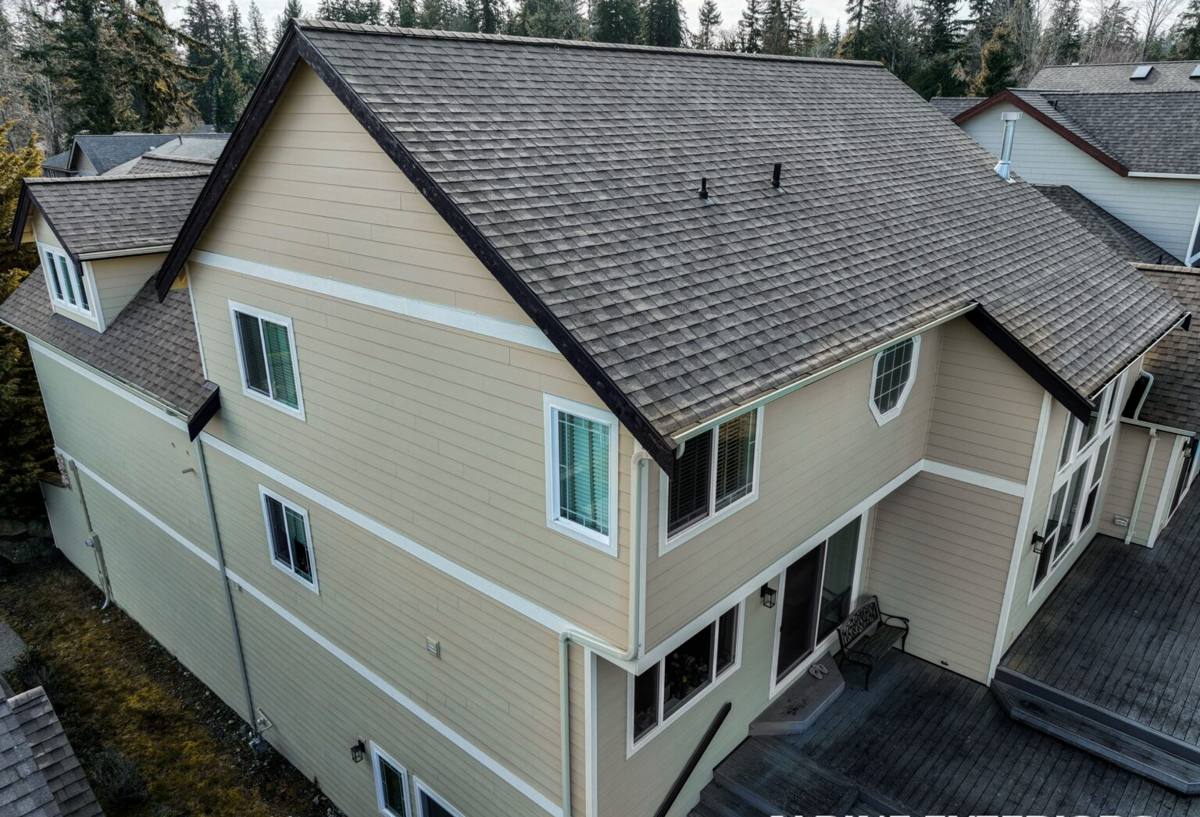
What "Custom" Actually Means for a Seminole Deck
A custom deck isn't just a bigger version of a standard rectangle attached to the back door. It's a structure designed around your actual lot, your house's layout, and how you plan to use the space. In Seminole, that often includes:
- Working around mature landscaping, drainage patterns, and setback requirements specific to the lot
- Multi-level designs that step down toward a pool or yard, rather than one flat platform
- Built-in seating, planters, or shade structures that need to be engineered as part of the deck, not bolted on afterward
- Railing and stair layouts that meet current code without looking like an afterthought
- Orientation choices that reduce direct afternoon sun exposure where possible
Custom work costs more up front than a stock design because there's more planning involved — but it's also the only way to get a deck that actually fits the property instead of just sitting on it.
Framing Decisions That Matter Here
The framing is where a lot of long-term problems either get prevented or get built in. In our climate, that means pressure-treated framing lumber rated for ground contact where posts meet soil or concrete, joist hangers and structural connectors in stainless or heavy-duty coated steel (not the bargain-grade galvanized that starts rusting within a couple of years near salt air), and post bases that keep wood off standing water after heavy rain. None of this is visible once the decking boards go down, which is exactly why it's worth asking a contractor to walk you through it before construction starts.
Decking Material Options for Seminole Homes
The decking surface itself — the boards you actually walk on — is where climate exposure hits hardest, since it takes direct sun and rain with no protection. There's no single "best" material for every homeowner; it comes down to budget, maintenance tolerance, and how you use the space.
| Material | Upfront Cost | Maintenance | How It Handles Our Climate |
|---|---|---|---|
| Pressure-treated wood | Lowest | Annual sealing/staining recommended | Affordable and repairable, but needs consistent upkeep to resist UV fading and moisture cycling |
| Composite decking | Mid to high | Occasional washing, no sealing | Strong UV and moisture resistance; color stays more consistent over time |
| Tropical hardwoods (e.g. ipe) | High | Periodic oiling to maintain color | Naturally dense and durable, but requires ongoing maintenance to prevent graying |
| PVC decking | High | Low — washing only | Excellent moisture resistance since it contains no wood fiber; performs well in humid, salt-air conditions |
We'll walk you through these trade-offs honestly rather than steering you toward whatever has the best margin. If low maintenance matters more to you than upfront cost, composite or PVC usually make more sense long-term in this climate. If you like the look and feel of real wood and don't mind the upkeep, pressure-treated or hardwood options are still solid choices when properly maintained.
Fasteners, Hardware, and Corrosion Resistance
This is the detail that separates a deck that lasts from one that starts loosening within a few seasons. Salt air along the Pinellas County coastline accelerates corrosion on standard fasteners, and a deck is only as strong as the hardware holding it together. Our standard for custom decks in this area includes:
- Stainless steel or coated deck screws rated for coastal/high-corrosion environments
- Structural connectors (joist hangers, post caps, hurricane ties) matched in corrosion class to the fasteners, not mixed metals that can accelerate galvanic corrosion
- Ledger board attachment using proper flashing and lag bolts or through-bolts rated for the load, not just nailed on
- Hidden fastener systems for composite and PVC boards where the product is designed for it, keeping the surface clean and reducing water intrusion points
None of this is optional in our book. It's the difference between a deck that's still solid in ten years and one that needs board replacement or hardware repair well before that.
Wind, Rain, and Structural Bracing
Pinellas County sees real hurricane and tropical storm risk, and a deck attached to your home is a structural element, not just outdoor furniture. Wind-driven rain finds gaps that aren't a problem in calmer climates, and sustained high winds put lateral load on railings, posts, and the ledger connection to the house. A properly built custom deck accounts for this with adequately sized and spaced footings, diagonal bracing on elevated structures, secure ledger attachment with correct flashing to keep water out of the band joist, and railing systems built to code for wind load, not just aesthetics. This is also where local permitting matters — Pinellas County and the City of Seminole have permit and inspection requirements for deck construction, and a contractor who pulls permits and builds to code protects you from both safety issues and problems when you go to sell the house.
Our Process for a Seminole Deck Project
1. On-Site Consultation
We start by walking the property with you, discussing how you actually want to use the space, and looking at grade, drainage, sun exposure, and how the deck will tie into the house. This is also when we talk through material options honestly, based on your budget and maintenance preferences.
2. Design and Layout
We put together a layout that fits the lot and your goals, whether that's a simple single-level deck or a multi-tier design with built-in features. You'll know what you're getting before any lumber is ordered.
3. Permitting
We handle the permit application and coordinate required inspections. This step protects you — skipping it can create problems with insurance, code enforcement, or a future home sale.
4. Construction
Framing goes in first, built to the hardware and fastener standards described above, followed by decking, railings, and any built-in features. We keep the site reasonably clean and communicate on timeline as we go.
5. Final Walkthrough
Before we consider the job done, we walk the finished deck with you, check every railing and connection point, and go over any maintenance recommendations specific to the material you chose.
Maintenance Expectations by Material
Whatever material you choose, a little planned maintenance goes a long way in this climate. Here's a practical checklist to keep a Seminole deck performing well year-round:
- Rinse salt residue and pollen off the surface every few weeks, more often if you're close to the water
- Inspect fasteners and railing connections at least once a year for looseness or early corrosion
- Reseal or restain wood decking on the manufacturer's recommended schedule — typically every one to two years in full-sun exposure
- Check under the deck after major storms for standing water or debris buildup around posts
- Clear gutters and downspouts near the deck so runoff isn't draining directly onto framing or footings
- Watch for soft spots or discoloration in wood decking, which can indicate moisture intrusion before it becomes a bigger repair
Why Hiring a Crew That Already Works in Seminole Matters
A contractor who works regularly in this part of Pinellas County already knows the local permitting process, understands what corrosion resistance actually holds up here versus what's sold as "good enough," and has seen firsthand how quickly a poorly built deck deteriorates in salt air and Florida sun. That local experience shows up in the small decisions — hardware selection, flashing details, footing depth for local soil conditions — that don't show up on a quote sheet but determine how the deck performs five and ten years out. It also means faster response if something needs a warranty check or minor repair, since we're not traveling in from across the region for a small callback.
Getting Started
Every property in Seminole is a little different — lot size, sun exposure, how close you are to the water, what the house's existing structure can support. A custom deck should reflect that rather than forcing a one-size design onto your yard. If you're weighing options or just want a straight answer on what a project like yours would involve, we're happy to walk the property with you and put together a free, no-pressure estimate.