 St. Petersburg Siding
 Siding for Seminole, Florida: Built for the Gulf Coast, Not Just Installed On It
Seminole sits inland from the barrier islands but close enough to the Gulf that salt air, humidity, and storm winds are part of daily life for the exterior of every home here. It's a mostly residential community of established neighborhoods, mature tree canopy, and a housing stock that spans decades of Florida construction — from older block homes with original wood or aluminum siding to newer builds that already have fiber cement on them. Whatever your home's age, the exterior cladding is doing more work here than it would almost anywhere else in the country.
We install James Hardie fiber cement siding exclusively. That's not a marketing angle — it's a decision we made after years of servicing exteriors in Pinellas County and watching which products actually hold up to what this climate does to a house, and which ones require homeowners to fight a losing battle against moisture, sun, and salt every few years.
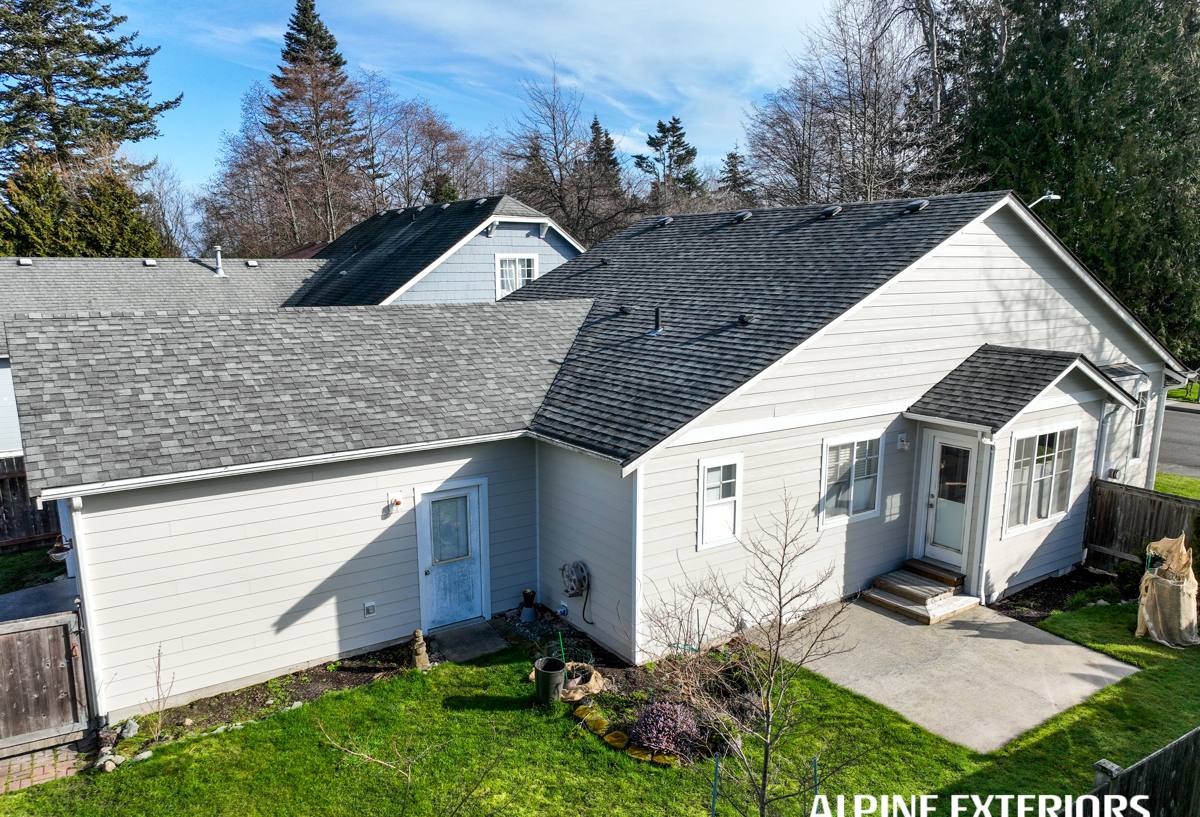
What Exterior Materials Deal With in Seminole
Homes in this part of Pinellas County face a specific combination of stressors that doesn't let up seasonally the way it does in most of the country:
- Hurricane-force wind exposure — even homes that never take a direct hit still see repeated high-wind events over their lifetime, which stresses fasteners, seams, and panel edges.
- Intense, near year-round UV — Florida sun degrades paint film and breaks down organic material in siding faster than in northern climates, leading to premature fading and chalking on lower-quality products.
- Wind-driven rain — storms here don't just rain down, they rain sideways, forcing water into laps, joints, and fastener penetrations that a calm-weather product might never be tested against.
- Salt air — even a few miles from the water, airborne salt accelerates corrosion of fasteners and hardware and contributes to surface breakdown on materials not engineered for it.
- Humidity and moisture cycling — constant swings between saturated and dry conditions are what cause organic-based siding materials to swell, rot, or delaminate over time.
None of these factors are unique to Seminole specifically, but taken together they define what "durable siding" actually has to mean on the Pinellas County side of Tampa Bay. A product that performs fine in a dry, temperate climate can fail here in a fraction of the time.
Why We Standardized on James Hardie Fiber Cement
We used to install a wider range of siding products. We don't anymore, and the reason comes down to what we kept seeing on service calls and re-siding jobs: organic-based and vinyl products consistently showed climate-related wear years before fiber cement would, and the failures were often expensive or difficult to repair partially. James Hardie is the one product line we've found that's engineered specifically for the conditions Florida exteriors face.
Non-Combustible Core
James Hardie siding is fiber cement — a mix of cement, sand, and cellulose fibers — which means it doesn't burn, doesn't feed a fire, and doesn't provide the fuel source that wood-based sidings do. That's a meaningful difference in wildfire-adjacent areas, but it also matters for everyday fire safety around grills, electrical issues, and neighboring structures in denser residential streets.
ColorPlus Factory Finish
Most siding failures we see aren't the substrate — they're the paint. Field-applied paint on wood or vinyl siding is only ever as good as the prep, the coat thickness, and the weather conditions on the day it was applied, and Florida sun breaks it down faster than almost anywhere else. Hardie's ColorPlus finish is baked on in a factory under controlled conditions, cures harder than field paint, and comes with a dedicated finish warranty against fading and peeling.
HZ5 Climate-Engineered Formulation
James Hardie manufactures different formulations for different climate zones because moisture behavior isn't the same everywhere. The HZ5 product line is engineered for humid, wet climates like ours — it's formulated to resist moisture-related damage in a way that a one-size-fits-all siding product isn't. Installing the wrong regional formulation is one of the more common mistakes we see from past work in this area.
A Warranty Structure That Actually Transfers
James Hardie backs its siding with a non-prorated limited warranty that's transferable to a new owner if you sell your home — a real selling point in a housing market where buyers are increasingly asking pointed questions about exterior condition and storm resilience before making an offer.
Why We Don't Install Vinyl, LP SmartSide, or Untreated Wood Siding
We get asked regularly why we don't offer vinyl or engineered wood siding as a lower-cost alternative. The honest answer is that we did in the past, and we stopped because of what we saw come back on service calls.
Vinyl siding is lightweight and inexpensive, but it's also more vulnerable to wind uplift in high-gust events, and it softens and warps under sustained direct sun exposure — a real problem on south- and west-facing walls in Florida. Engineered wood products like LP SmartSide use a wood-strand substrate that, while treated, is still an organic material at its core; if moisture gets past a seam, a fastener point, or a damaged edge, it can swell or deteriorate from the inside in a way that's hard to catch early. Cedar and primed spruce carry similar organic-material trade-offs, plus a maintenance schedule — recoating, caulking, spot repairs — that most homeowners underestimate when they're comparing sticker prices. None of these products are automatically bad choices everywhere. They're just trade-offs we're not willing to put our name behind in a climate this demanding, which is why we standardized on fiber cement instead.
How a James Hardie Installation Actually Works
Correct installation matters as much as the product itself — fiber cement installed incorrectly can still fail early, especially around moisture management. Our process on a typical siding replacement includes:
- Exterior assessment — checking existing siding, sheathing, and trim for hidden moisture damage before anything gets covered up.
- Removal of old siding and inspection of the water-resistive barrier and sheathing underneath.
- Repair of any compromised sheathing or framing found during removal — this is where problems from old leaks or prior poor installations usually surface.
- Installation of a proper weather barrier to manage bulk water and vapor behind the new siding.
- Hanging the James Hardie panels or planks to manufacturer fastening specifications — correct nail spacing, gapping, and flashing at every penetration and joint.
- Trim, caulking, and finish work around windows, doors, and corners, where wind-driven rain intrusion most commonly starts.
- Final walkthrough to confirm sealed penetrations, proper clearances, and finish quality.
Flashing and gapping details around windows and roofline transitions are where a lot of installation failures originate — not from the siding material itself, but from shortcuts taken at the joints. This is the part of the job where hiring a crew with real fiber cement experience, rather than a general handyman crew, makes the biggest long-term difference.
More Than Siding: Roofing, Windows, and Decks
Siding doesn't work in isolation — it's one part of a home's overall building envelope, and we treat it that way. We also handle:
- Roofing — repair and replacement, since a compromised roofline is one of the most common sources of water intrusion behind siding and around soffits.
- Windows — replacement and installation, with attention to the same flashing and sealing details that keep wind-driven rain out around siding transitions.
- Decks — built to hold up to the same sun, humidity, and moisture cycling that affects siding, using materials suited to outdoor Florida exposure.
For homeowners planning a broader exterior update, coordinating siding with roofing and window work in the same project reduces the number of separate transitions and seams that need to be sealed and re-sealed over time — fewer contractors touching the same weather barrier generally means fewer places for something to be missed.
What Siding Replacement Typically Involves — Cost Factors
Every home is different, and we don't quote sight-unseen, but these are the main factors that move the price on a fiber cement siding project:
| Factor | Why It Matters |
|---|---|
| Home size and wall complexity | More square footage, corners, and dormers mean more material and labor time |
| Existing siding removal | Tear-off and disposal of old material adds labor beyond a straightforward re-side |
| Sheathing condition | Hidden rot or moisture damage found during removal requires repair before new siding goes up |
| Product line and profile | Lap siding, shingle-style panels, and board-and-batten carry different material and labor costs |
| Trim and accessory work | Corner boards, window trim, and fascia detailing add finish-level labor |
| Story height and access | Two-story sections and difficult access points increase labor and equipment needs |
The only way to get an accurate number is a walkthrough of the specific home, but understanding these variables ahead of time helps homeowners ask better questions when comparing estimates.
What to Look for in a Local Exterior Contractor
Because siding failures often don't show up for a few years, it's easy for a rushed or under-qualified installation to look fine at closeout and cause problems well after the crew is gone. Before hiring anyone for siding, roofing, window, or deck work in the Seminole area, it's worth checking:
- Active Florida contractor licensing and insurance, verifiable independently rather than taken on faith
- Specific, demonstrable experience installing fiber cement siding — not just general remodeling or handyman work
- Manufacturer-aligned installation practices, since improper fastening or flashing can void a warranty even on a good product
- A clear written scope of work, including what happens if sheathing damage is found during tear-off
- Familiarity with local wind and building code requirements, which affect fastening schedules in coastal Florida counties
- Willingness to walk the whole exterior with you and explain trade-offs rather than pushing one product without discussion
A local crew that works Pinellas County exteriors regularly will already understand these code and climate realities going in, rather than treating your home like a generic install.
Getting the Most Life Out of Your Siding After Installation
Fiber cement is low-maintenance compared to wood or vinyl, but "low-maintenance" isn't "no-maintenance." A simple annual routine goes a long way in this climate: rinse off salt and pollen buildup, inspect caulking around windows and trim for cracking, and keep an eye on any spot where two materials meet — that's always where problems start first. Catching a small caulking gap or a loose piece of trim early is far less costly than dealing with water damage behind the wall a few years later.
Ready for a Local, No-Pressure Estimate
If your Seminole home's siding is aging, storm-damaged, or you're planning ahead of a sale, we're happy to walk the exterior with you, answer questions honestly — including about products we don't install and why — and put together a clear estimate. Use the form below to request a free consultation, no pressure and no obligation.