 St. Petersburg Siding
 What Board and Batten Siding Actually Is
Board and batten is one of the oldest siding patterns in American building, and it has come back strong on modern Florida homes because it does something visually that horizontal lap siding can't: it draws the eye vertically, which reads as clean and contemporary on everything from a Craftsman bungalow in the Old Northeast to a new build near Gulfport. The pattern is simple in concept — wide flat boards run vertically up the wall, and narrower strips called battens cover the seams between them. What separates a board and batten wall that lasts decades from one that fails in five years isn't the pattern itself. It's the material underneath it and the way the seams, fasteners, and flashing details are handled.
We install board and batten exclusively in James Hardie fiber cement, and this page walks through why that material choice matters more with this siding style than almost any other, what Hardie's actual product options look like, and what a correctly installed board and batten wall should include.
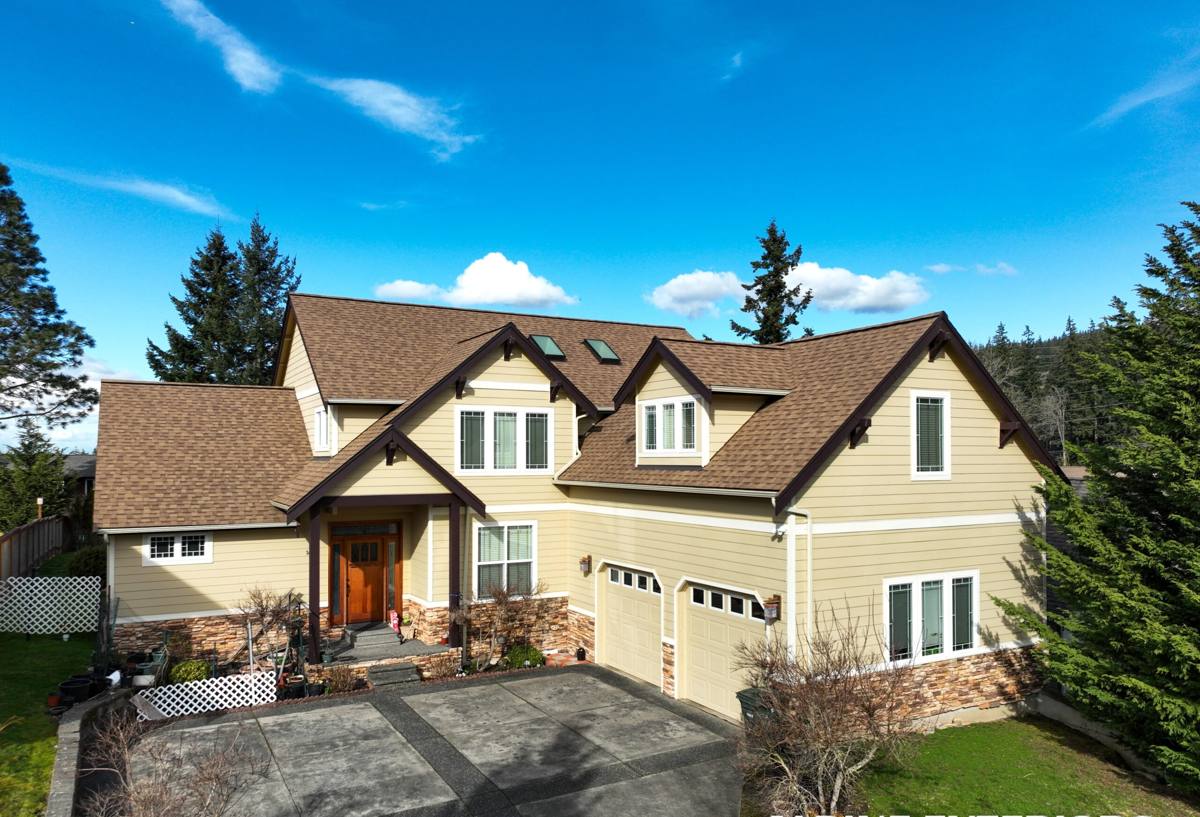
Why the Pattern Itself Is Unforgiving of a Bad Material Choice
Board and batten has more vertical seams per square foot of wall than lap siding does, and every seam is a place where water can find its way behind the cladding if the material moves, cups, or swells. On a house in St. Petersburg, that's not a theoretical concern. Between hurricane-force wind events, the wind-driven rain that comes with our summer storm pattern, and near-constant humidity along the Pinellas County coastline, a siding material that absorbs moisture or expands and contracts significantly with temperature swings will eventually telegraph that movement through the seams — nail pops, cracked caulk lines, boards that bow slightly and catch shadows wrong.
Fiber cement doesn't behave that way. It's dimensionally stable across the temperature and humidity ranges Tampa Bay actually sees, it doesn't absorb water the way wood-based products can, and it holds paint and factory finish without the swelling that causes finish failure at the seams. That stability is exactly why board and batten in fiber cement looks as crisp in year fifteen as it does on installation day, when it's installed correctly.
Where James Hardie Fits In Their Product Lineup
James Hardie makes a few different products that get used to build a board and batten wall, and understanding which is which helps you have an informed conversation with any contractor bidding the job.
HardiePanel Vertical Siding
This is a large-format fiber cement panel installed vertically, with battens applied over the panel seams to create the board and batten look. It's the most common way we build this pattern because it minimizes the number of horizontal joints in the wall, which are historically the weakest point in any vertical siding installation.
Artisan V-Groove and Board and Batten Collections
Hardie's Artisan line includes pre-styled board and batten profiles with more refined edge detailing, aimed at homeowners who want a more custom, high-end look without custom millwork. These carry a thicker panel profile and a different warranty structure than the standard HZ product lines.
Individual Board and Batten Trim
For homes where the architecture calls for a more traditional, individually-fastened board look — common on porch gables and accent walls — we use Hardie trim boards as the battens over a fiber cement or compatible base layer, rather than mixing in a non-Hardie trim product that won't age at the same rate as the field material.
HZ5 Climate Engineering: Why It Matters Here Specifically
James Hardie engineers its siding in different formulations for different climate zones, and the HZ5 formulation is built for the humid, high-moisture conditions of the Gulf Coast and Southeast. It's not a marketing label — the manufacturing process adjusts the product's moisture resistance and durability characteristics specifically for regions that see what St. Petersburg sees: long stretches of high humidity, intense UV exposure nearly year-round, and periodic wind-driven rain events that force water sideways against exterior walls rather than straight down. When we spec a board and batten job, we're specifying the HZ5 product, not a generic national formulation.
ColorPlus Factory Finish vs. Job-Site Painting
Every board and batten wall eventually faces a finish decision, and it matters more on this pattern than on lap siding because of how much seam edge is exposed to the weather. James Hardie's ColorPlus Technology is a factory-applied, baked-on finish that cures under controlled conditions before the boards ever reach the jobsite. It's engineered specifically to resist the fading that comes from constant Florida sun exposure, and it comes backed by its own finish warranty separate from the substrate warranty.
Job-site painting is still an option, and some homeowners choose it for a specific custom color that falls outside the ColorPlus palette. But it's worth understanding the tradeoff going in:
| Factor | ColorPlus Factory Finish | Job-Site Painted |
|---|---|---|
| Fade resistance in constant UV | Engineered and warrantied for it | Depends entirely on paint quality and prep |
| Finish warranty | Separate, manufacturer-backed finish warranty | Typically only the painter's labor warranty, if any |
| Repaint interval | Long interval before touch-up is needed | Shorter interval, especially on south and west exposures |
| Color options | Curated palette, consistent factory batch color | Unlimited custom colors |
| Cut-edge exposure | Requires factory touch-up sealant at every field cut | Field-painted after installation, covering cut edges naturally |
For most board and batten jobs we recommend ColorPlus, specifically because of the seam and cut-edge exposure this pattern involves — but a well-prepped job-site paint job on Hardie board is still a legitimate, durable option if the color palette is the deciding factor.
What Correct Installation Actually Involves
The single biggest factor in how long a board and batten wall lasts isn't the brand of siding — it's whether the installer followed the manufacturer's fastening, clearance, and flashing requirements to the letter. James Hardie publishes detailed installation instructions, and deviating from them is what voids warranties and causes the failures people sometimes blame on the material itself.
Fastening
Vertical panels need to be fastened at the correct spacing into structural framing or approved sheathing, with corrosion-resistant fasteners appropriate for coastal exposure. Battens are then face-nailed or blind-nailed over the seams following Hardie's specified pattern — not just wherever looks convenient.
Clearance
Hardie requires minimum clearance between the bottom of the siding and grade, roofing, decking, and other horizontal surfaces. On a lot near a canal or with a low finished floor elevation, getting this clearance right is what keeps splash-back moisture from ever reaching the bottom edge of the panel.
Flashing and Water Management
Every seam, every window and door opening, and every horizontal panel joint needs proper flashing and a drainage plane behind the siding — a weather-resistive barrier that lets any incidental moisture drain and dry out rather than sitting against the back of the panel. This is invisible once the job is done, which is exactly why it's the step some installers cut corners on.
Batten Spacing and Caulking
Battens need consistent spacing for the wall to read correctly, and the caulk or sealant used at panel and trim joints needs to be a product compatible with, and rated for, fiber cement — not whatever general-purpose caulk happens to be on the truck.
What This Costs to Do Right
Board and batten in Hardie fiber cement generally runs at a premium over standard horizontal lap siding, for a few honest reasons: more linear footage of material per square foot of wall (the boards plus every batten strip), more cut edges requiring sealant, and more labor time for precise batten spacing. It typically costs less than true custom wood board and batten with individual milled boards, while outlasting it by a wide margin. Exact pricing depends on wall square footage, the amount of trim and architectural detail, whether ColorPlus or job-site paint is used, and how much of the existing wall needs repair before new siding goes up — any contractor should walk your specific house before quoting a number.
What to Check Before You Hire Anyone for This Job
- Ask specifically whether they are a James Hardie certified or preferred installer, not just "we've used Hardie before"
- Ask what fastener type they use and whether it's rated for coastal/salt air exposure
- Ask them to explain their flashing and weather-resistive barrier approach before the first panel goes up
- Ask whether they're quoting HZ5 product specifically, not a generic Hardie SKU
- Ask what the written warranty covers — substrate, finish, and labor are often separate documents
- Get the clearance-to-grade plan in writing if your lot has drainage or low-elevation concerns
- Confirm who pulls the permit and handles the Pinellas County inspection, not just "we'll take care of it"
Living With Board and Batten Long-Term
Once it's installed correctly, a Hardie board and batten wall is genuinely low-maintenance. There's no annual sealing or staining requirement the way there is with wood board and batten, no risk of insect damage, and the material is non-combustible, which matters to some homeowners independent of any siding decision. The main upkeep is the same as any exterior: periodic rinsing to keep salt residue and pollen from building up, and keeping an eye on caulk lines at trim and window transitions the way you would on any home. James Hardie backs the fiber cement substrate with a long, transferable limited warranty, which matters if you sell the house before the siding's useful life is up — it's one less thing a buyer's inspector can flag.
If you're weighing board and batten against a different siding style for a home in St. Petersburg or elsewhere in Pinellas County, we're glad to walk the property, talk through what the wall geometry and sun exposure suggest, and give you a straight answer — including telling you if a different pattern would actually serve the house better. Reach out for a free, no-pressure estimate using the form below.