 St. Petersburg Siding
 Gulfport sits on the shore of Boca Ciega Bay in Pinellas County, a short drive from downtown St. Petersburg but with its own character entirely — a walkable, historic community full of older bungalow and cottage-style homes, many of them within a mile or two of open water. That proximity to the bay is part of what makes Gulfport a wonderful place to live, and it's also exactly why exterior materials here take a harder beating than they would ten or twenty miles inland. Salt-laden air, near-constant humidity, punishing UV exposure, and the real threat of hurricane-force wind and wind-driven rain all combine to shorten the life of the wrong siding, trim, and roofing choices. We've worked on homes throughout this part of Pinellas County long enough to know which products hold up here and which ones quietly fail a few years after the crew that installed them has moved on.
What Gulfport's Climate Actually Does to a House
It's worth being specific about the mechanisms at work, because "Florida weather is tough on houses" undersells the problem. Several distinct forces act on a Gulfport home at the same time, year-round:
- Salt air corrosion: Airborne salt from Boca Ciega Bay and Tampa Bay settles on exterior surfaces and fasteners. Over years, it accelerates corrosion of untreated metal trim, staples, and low-grade fasteners, and it degrades certain coatings faster than manufacturers' inland test data would suggest.
- UV degradation: Central Florida gets an enormous annual dose of ultraviolet exposure. Paint films chalk, fade, and lose adhesion faster here than in most of the country. Siding and trim finishes that aren't engineered for this UV load will visibly dull and start needing repaint within just a few years.
- Wind-driven rain: Even outside of named storms, Gulfport's afternoon thunderstorm pattern pushes rain sideways into wall assemblies, not just straight down. Siding systems and flashing details that only account for vertical water shedding let moisture behind the cladding over time.
- Hurricane and tropical-storm wind: Gulfport is exposed to the same wind-load requirements as the rest of the Tampa Bay coastline. Every exterior product on the house — siding, soffit, fascia, window assemblies — has to be installed to hold up under sustained high wind and wind-borne debris, not just look good on a calm day.
- Humidity and moisture cycling: Florida's humidity keeps wall assemblies damp longer after rain events than drier climates, which is unforgiving toward any material that swells, rots, or delaminates when it stays wet.
None of these forces is unique to Gulfport, but the combination — waterfront salt exposure plus intense UV plus real storm risk — is more concentrated here than in most Pinellas County neighborhoods further from the water.
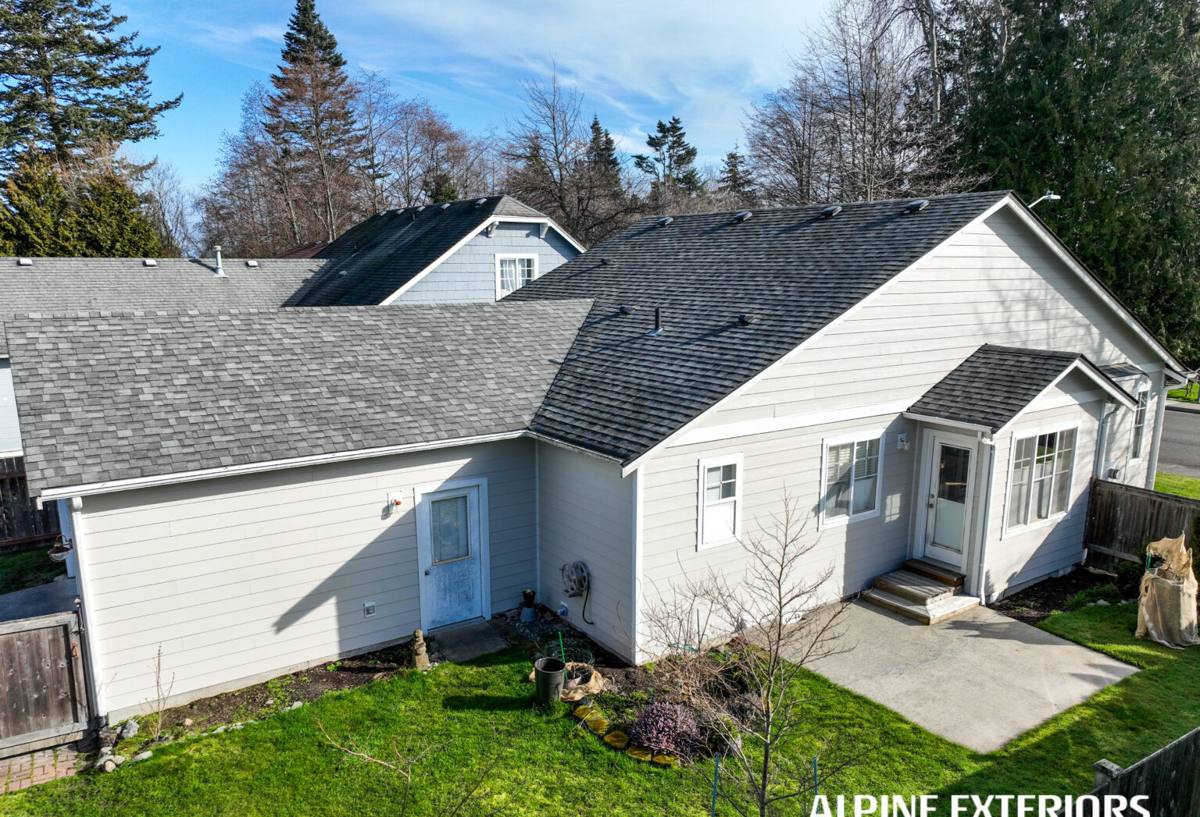
Why We Install Only James Hardie Fiber Cement Siding
St. Petersburg Siding Company made a deliberate decision to install James Hardie fiber cement siding exclusively, and not vinyl, not LP SmartSide, not Cemplank, Allura, or primed wood products. That's a real trade-off worth explaining honestly rather than just asserting.
Vinyl siding is inexpensive and easy to install, but it's a petroleum-based product that softens and can warp under sustained heat and direct sun, and it becomes brittle with age and UV exposure — a real concern on a home that gets Gulfport's full dose of Florida sun. It also isn't rated to the same wind and impact standards as fiber cement in most product lines, which matters on a bay-adjacent property.
Engineered wood products like LP SmartSide use wood strand technology with resin binders, and they've improved over the years, but they remain wood-based — meaning any breach in the factory coating or a caulking failure at a seam creates a path for moisture absorption and eventual swelling or rot. In a climate with Gulfport's humidity and wind-driven rain, that's a maintenance risk we're not willing to put our name behind.
Other fiber cement brands, like Cemplank and Allura, are legitimate products in the same general category as James Hardie, but we've standardized on Hardie specifically for its ColorPlus factory-applied finish, its HZ5 product engineering for Florida's climate zone, and the depth of its installer network and warranty support in this region. Consistency in one system — one set of installation specs, one finish chemistry, one warranty structure — lets our crews install to spec every time instead of relearning a different manufacturer's quirks on every job.
James Hardie's Climate-Specific Engineering
James Hardie makes region-specific formulations of its fiber cement board, and the HZ5 line is engineered for Florida and the Gulf Coast — a hot, humid, high-UV, storm-exposed climate very close to what Gulfport experiences. Fiber cement itself is non-combustible, resists termites (a real consideration in older Pinellas County neighborhoods), and doesn't absorb moisture the way wood-based products can.
The ColorPlus finish is baked on at the factory under controlled conditions, rather than field-applied with a brush and roller. That matters directly for UV resistance: a factory-cured finish resists fading and chalking far longer than a site-applied paint job, which is a meaningful advantage given how much sun exposure a Gulfport home takes over the course of a year. ColorPlus finishes carry their own dedicated finish warranty separate from the substrate warranty, and Hardie's product warranties are transferable to a new owner if the home is sold — something worth knowing if you ever plan to list the property.
What Correct Installation Actually Involves
Fiber cement siding is only as good as its installation. A well-engineered board installed with the wrong fastener spacing, the wrong clearance at grade, or sealed joints where the manufacturer calls for open, flashed joints will fail well before its rated lifespan — regardless of brand. On a Gulfport home, we pay particular attention to:
| Installation detail | Why it matters here |
|---|---|
| Corrosion-resistant fasteners | Salt air accelerates corrosion of standard fasteners; Hardie specifies stainless or hot-dip galvanized fasteners in coastal exposure zones |
| Proper clearance above grade, decks, and roofs | Keeps siding out of standing water and splash-back during heavy, wind-driven rain events |
| Correct panel and joint flashing | Prevents wind-driven rain from tracking behind the cladding at butt joints and penetrations |
| Manufacturer-specified nailing pattern | Directly affects the siding's rated wind resistance — under-fastened siding is a real risk in named storms |
| Caulking only where specified, not universally | Hardie's system is designed with some joints meant to stay open for drainage; over-caulking traps moisture |
These aren't cosmetic details. They're the difference between siding that performs for decades and siding that looks fine on install day but starts showing problems within a few storm seasons.
The Full Exterior Envelope: Roofing, Windows, and Decks
Siding doesn't work in isolation — it's one piece of the exterior envelope, and on a bay-exposed home in Gulfport, the roof, windows, and any exterior decking all face the same salt, UV, and wind exposure. We handle all four because they need to work together, not as separate contracts with separate crews who aren't coordinating flashing and water management at the transitions between systems.
Roofing
A roof that's compromised by wind or age puts every square foot of siding below it at risk, since roof leaks and failed flashing send water down behind wall cladding. Roofing decisions in Gulfport should account for the same wind-load and wind-borne-debris exposure as the siding.
Windows
Window selection and installation affect both energy performance and storm resistance. Poorly flashed window openings are one of the most common sources of hidden water intrusion behind siding, which is why window replacement and siding work benefit from being planned together rather than treated as unrelated projects.
Decks
Outdoor living space near the bay takes a similar beating from sun and salt air as the house itself. Deck materials and fasteners need the same corrosion resistance and UV tolerance considerations as the siding above them.
Cost Factors to Understand Before You Budget
Every Gulfport home is different, so we won't quote a number without seeing the property, but there are consistent factors that drive siding project cost up or down:
| Factor | Effect on cost |
|---|---|
| Extent of tear-off and substrate repair | Rotted sheathing or existing moisture damage adds labor before new siding goes up |
| Home size and complexity of the facade | More corners, gables, and trim detail means more labor hours |
| Board profile and finish selection | Lap siding, shingle-style panels, and trim boards vary in material cost |
| Access and site conditions | Tight lots, mature landscaping, and older foundations near the water can affect staging and logistics |
| Scope beyond siding | Bundling roofing, window, or deck work into one project changes overall pricing and scheduling |
Be wary of any bid that's dramatically lower than others for the same scope of work — on fiber cement specifically, that gap is almost always made up somewhere in fastener quality, flashing detail, or labor time, and those are exactly the corners that don't show up until years later.
Vetting a Contractor for Coastal Pinellas County Work
Not every siding crew has real experience with the specific demands of a bay-adjacent property. Before hiring anyone for exterior work in Gulfport, it's worth asking:
- Are you licensed to work in Pinellas County, and can you provide proof of current insurance?
- Do you install to the manufacturer's published fastening and clearance specifications, or your own shortcuts?
- What fastener grade do you use in coastal/salt-air exposure, and is that specified in writing?
- Who handles the warranty if something goes wrong — you, or do we have to go through the manufacturer alone?
- Can you walk me through how you'll flash window and door openings, not just the siding field?
- Have you worked on other homes in this specific area, and do you understand the wind-load requirements here?
A contractor who can answer these clearly and specifically, without vague reassurance, is worth far more than one offering the lowest number on paper.
Maintaining Fiber Cement Siding in a Salt-Air Environment
James Hardie siding is low-maintenance compared to wood or vinyl, but "low-maintenance" doesn't mean "no maintenance," especially this close to the bay. A simple annual routine goes a long way: rinse the exterior to clear accumulated salt residue, inspect caulking at trim and window transitions for cracking, and look at ground-level clearance after landscaping grows in, since plants and mulch that creep up against the siding trap moisture against the board. Catching a small caulk failure or clogged weep detail early is far cheaper than dealing with the water damage it causes if it's ignored for a few storm seasons.
If you're weighing exterior options for a home in Gulfport — whether it's siding nearing the end of its life, a roof that needs attention, windows that are underperforming, or a deck that's taken too much sun and salt exposure — we're happy to take a look and talk through what your home actually needs. Reach out for a free, no-pressure estimate using the form below.