 St. Petersburg Siding
 Exterior Work Built for a Waterfront Pinellas Neighborhood
Coquina Key sits on a peninsula surrounded by water, which is exactly what makes it such a desirable place to live — and exactly what makes exterior materials work harder here than almost anywhere else in Pinellas County. Homes on or near the canals face a near-constant mix of salt-laden air, direct sun, and wind-driven rain that never really lets up, even in the "quiet" months. When a storm does roll through the bay, homes on this kind of exposed waterfront geography take the brunt of it before the wind ever reaches inland St. Petersburg.
We work this neighborhood regularly, and the pattern is consistent: exterior materials that would hold up fine ten miles inland fail early here. Caulk joints open up faster. Paint chalks and fades sooner. Fasteners corrode. Anything with a seam or a moisture-sensitive core tends to show problems within a few years instead of a couple decades. That's the baseline we design against on every Coquina Key job, whether it's siding, a roof, windows, or a deck.
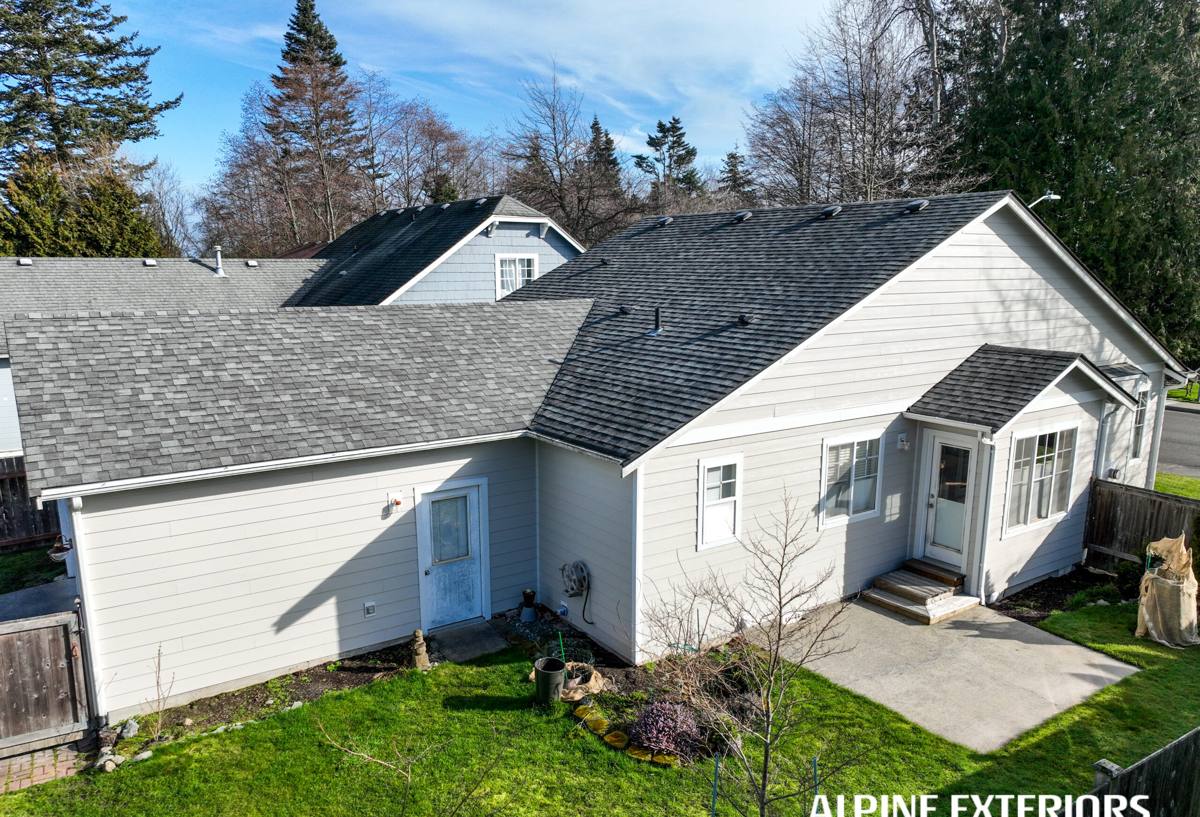
What the Climate Actually Does to a House Here
Salt Air and Corrosion
Coquina Key's canal-front and near-water lots put homes in near-continuous contact with salt aerosol carried in off Tampa Bay. Salt is hygroscopic — it pulls moisture out of the air and holds it against whatever surface it lands on. On siding, that means accelerated finish breakdown and, on lower-quality substrates, swelling or softening at the edges where salt-laden moisture sits longest. On fasteners, trim, and hardware, it means corrosion that shows up as rust streaking and eventually loosens the pieces holding your exterior together.
UV Load
Central Florida sun is intense and consistent almost year-round. Paint films chalk, fade, and lose adhesion faster here than in almost any other US climate zone. A siding product's factory finish — how it's baked on, what's in it, and how it's warrantied — matters more in St. Petersburg than in most of the country, because the sun is going to test it every single day.
Wind-Driven Rain
It's not the rain itself that causes most exterior damage — it's rain being pushed sideways under pressure during a squall or hurricane-strength wind event. Wind-driven rain finds every gap in flashing, every unsealed seam, every point where a wall penetration wasn't detailed correctly. On a peninsula neighborhood like Coquina Key, with open water on multiple sides, wind exposure is higher than it is for homes tucked further inland behind other structures and tree cover.
Hurricane-Force Wind Loads
Pinellas County sits in a wind-borne debris region, and waterfront-adjacent neighborhoods see some of the highest sustained and gust loads in the county during tropical systems. Siding, roofing, and windows all need fastening schedules and product ratings that account for this — not generic installation, but installation matched to the actual wind zone the house sits in.
Why We Only Install James Hardie Fiber Cement Siding
We get asked fairly often why we don't offer vinyl, LP SmartSide, or other fiber cement brands like Cemplank or Allura. The honest answer is that we made a standardization decision based on what actually performs on Pinellas County homes over the long run, and James Hardie is what we're comfortable standing behind.
- Non-combustible core. Fiber cement doesn't burn, which matters for insurance considerations and general peace of mind, unlike vinyl or wood-based composite sidings.
- No engineered-wood moisture risk. Products like LP SmartSide use a wood-strand substrate. It's engineered to resist moisture better than raw lumber, but it still has an organic core — in a climate with this much ambient humidity and salt moisture, we'd rather not gamble on edge sealing and field-cut protection holding up perfectly for the life of the house.
- ColorPlus factory finish. Hardie's baked-on finish is engineered specifically to resist UV fade and hold color longer than field-applied paint, which matters enormously under Florida sun.
- Climate-specific HZ product line. Hardie engineers its HZ5 formulation for humid, high-moisture climates like ours — it's not a one-size-fits-all product shipped the same way to Arizona and Florida.
- Strong transferable warranty. A siding warranty that survives a home sale is worth something to Coquina Key homeowners who may sell into a strong waterfront market someday.
None of this means other products are junk — vinyl is inexpensive and low-maintenance in mild climates, and engineered wood sidings have genuine fans. It means that after weighing moisture behavior, installation sensitivity, and long-term appearance against everything this specific climate throws at a house, fiber cement from James Hardie is the product we're willing to put our name behind.
Siding Material Comparison for Coastal Pinellas Homes
| Factor | Vinyl | Engineered Wood (LP SmartSide) | James Hardie Fiber Cement |
|---|---|---|---|
| Moisture tolerance in salt/humid air | Good, but can warp under high heat | Moderate — organic core, edge-sealing critical | High — cement-based, doesn't rot |
| Fire resistance | Melts/combustible | Combustible | Non-combustible |
| Factory finish/color retention | Can fade/chalk | Painted, needs maintenance | ColorPlus baked-on UV-resistant finish |
| High-wind fastening performance | Can rattle/detach in gusts | Good when installed to spec | Engineered for high wind zones |
| Typical maintenance | Occasional washing | Periodic caulk/paint upkeep | Low — occasional wash, repaint on longer cycle |
Roofing, Windows, and Decks in the Same Exposure
Siding doesn't work in isolation — it's one piece of an exterior envelope that has to work together against the same wind, water, and salt. We handle roofing, windows, and decks for the same reason: a house is only as protected as its weakest connection point.
Roofing
Roof coverings and underlayment take the first hit from wind-driven rain and UV. Flashing detail around chimneys, vents, and wall transitions is where most water intrusion actually starts, not the field of the roof itself — that's where careful, local-crew attention matters most.
Windows
Impact-rated and properly flashed windows matter throughout Pinellas County, but on a peninsula lot with open water exposure, correct window flashing integration with the wall assembly is what actually keeps wind-driven rain from tracking behind the siding during a storm.
Decks
Waterfront and canal-adjacent decks see near-constant humidity and salt spray at ground level, which accelerates fastener corrosion and wood decay faster than most homeowners expect. Material choice and hardware selection matter as much as the framing itself.
Why a Local Crew Matters Here
Coquina Key's building conditions aren't generic Florida conditions — they're shaped by the specific peninsula geography, the wind exposure off the bay, and the salt load that comes with being surrounded by water on multiple sides. A crew that works this neighborhood regularly recognizes those conditions on sight: where salt exposure is worst, where wind loads run higher, and where past installation shortcuts tend to fail first. That local pattern recognition is worth more than generic training, and it's part of why we send crews who know St. Petersburg's waterfront neighborhoods specifically, not just Pinellas County broadly.
What a Coquina Key Exterior Project Typically Involves
- An on-site assessment of existing siding, roofing, and trim condition, with particular attention to salt and moisture damage at the lowest and most exposed wall sections
- Evaluation of flashing and wall penetrations — the most common source of wind-driven rain intrusion
- A wind-zone-appropriate fastening plan for siding and trim, not a generic install schedule
- James Hardie HZ5 product selection suited to humid coastal exposure
- Coordination between siding, window, and roofing trades so flashing details actually integrate instead of being handled in isolation
- A written scope before any work begins, so there are no surprises about materials or process
Cost Factors to Expect
Every Coquina Key home is a little different, and pricing depends on the scope, but a few factors consistently move the number:
| Factor | Why It Affects Cost |
|---|---|
| Existing substrate condition | Rotted sheathing or water-damaged framing found during removal adds repair scope |
| Home size and wall complexity | More corners, dormers, and trim detail means more labor and material |
| Siding profile and color | Some ColorPlus finishes and profiles cost more than standard options |
| Access and site conditions | Canal-front lots with tight side yards or limited staging space can add labor time |
| Scope bundling | Combining siding with roofing or window replacement can reduce total mobilization costs versus separate projects |
We always walk the property and give a written estimate before any work starts — no ballpark numbers over the phone for a job this dependent on site-specific conditions.
Get a Free, No-Pressure Estimate
If you're weighing a siding, roofing, window, or deck project for a Coquina Key home, we're happy to come take a look, walk you through what we're seeing, and give you a straightforward written estimate — no pressure, no obligation. Use the form below to get started.