 St. Petersburg Siding
 What Primed Wood Siding Actually Is
Primed wood siding is exactly what it sounds like: solid or engineered wood boards — usually cedar, pine, or spruce — that arrive from the mill with a factory-applied primer coat instead of bare wood. The primer is meant to give the finish paint something consistent to bond to and to slow moisture absorption until the homeowner's painter gets a topcoat on. It's been a staple in American home construction for generations, and in the right climate, installed and maintained correctly, it can look genuinely beautiful for a long time.
We get asked about it regularly, especially from homeowners doing a period-correct renovation or chasing a specific board-and-batten or lap look they've seen elsewhere. We understand the appeal. We just don't install it, and we think you deserve the real reasons why — not a sales pitch, but an honest look at what this product asks of a home sitting in Pinellas County's climate.
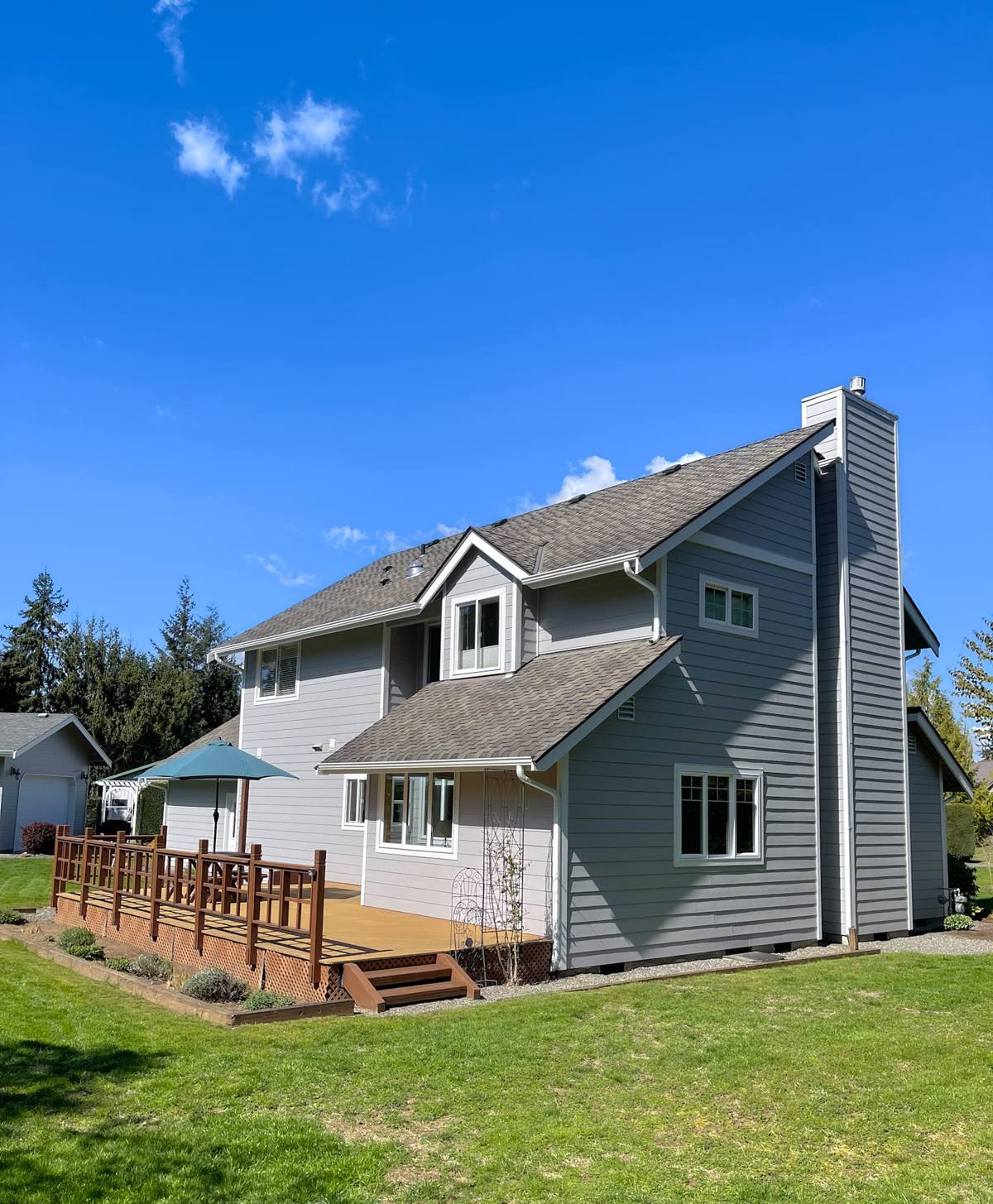
What Primed Wood Siding Gets Right
Fair is fair — wood has real strengths, and pretending otherwise wouldn't be honest.
- Authentic texture and grain. No composite material fully replicates the look of real wood up close, and some architectural styles genuinely call for it.
- Repairable in sections. A damaged wood board can sometimes be cut out and patched by a skilled carpenter rather than fully replaced.
- Long track record. Wood siding has been used successfully for centuries; the material itself isn't the problem — climate and maintenance discipline are.
- Paintable to any custom color without waiting on a factory finish line.
If you live somewhere with moderate humidity, mild UV exposure, and no hurricane season, primed wood can be a perfectly reasonable long-term choice with the right upkeep. St. Petersburg is not that place.
The Gulf Coast Moisture Problem
Pinellas County sits on a peninsula surrounded by Tampa Bay and the Gulf of Mexico, which means the air itself carries more moisture almost every day of the year than most of the country ever deals with. Wood siding — even primed — is hygroscopic: it absorbs and releases humidity constantly, swelling and shrinking with the weather. That movement stresses paint film, opens hairline cracks at seams and fastener points, and gives water a way in.
Once moisture gets behind the primer and into the wood fiber, you're looking at the classic failure chain: swelling, cupping, soft spots, and eventually rot at butt joints, bottom edges, and anywhere caulk has failed. In a drier climate that cycle takes years to become a real problem. In a coastal Florida climate with near-constant humidity, it moves faster, and it's harder to outrun with maintenance alone.
Wind-Driven Rain and Hurricane Exposure
St. Petersburg sits in an active hurricane corridor, and the threat to siding isn't just the wind speed — it's wind-driven rain forced sideways and upward into seams, laps, and fastener heads that were never designed to handle water moving in that direction. Primed wood relies almost entirely on an intact paint film and well-maintained caulk joints to keep water out. When a storm strips or cracks that protective layer, even briefly, the wood underneath is exposed to exactly the kind of sustained wet conditions it handles worst.
UV Exposure and Paint Failure
Florida doesn't have a mild sun season. St. Petersburg gets intense, direct UV exposure essentially year-round, and that UV load breaks down paint resins faster than in most of the country. Primer and paint on wood siding here tends to chalk, fade, and lose adhesion noticeably sooner than the same product would in a northern climate. Once the paint starts to go, the wood underneath loses its only real line of defense against both moisture and UV degradation of the wood fibers themselves — and the two problems compound each other.
Salt Air's Role
Being close to Tampa Bay and the Gulf means airborne salt is a constant, low-level presence in the outdoor environment here. Salt is hygroscopic too — it pulls and holds moisture from the air — and when it settles on painted wood siding it can accelerate the same paint breakdown that UV is already causing, while also promoting corrosion at any exposed metal fasteners. It's not a dramatic, single-event kind of damage. It's a slow tax that adds up over years and shows up as premature paint failure and fastener staining sooner than a homeowner would expect.
The Real Maintenance Burden
This is the part that matters most for a homeowner's decision, because it's ongoing, not a one-time installation choice.
| Maintenance Task | Typical Frequency in This Climate | Consequence of Skipping |
|---|---|---|
| Repaint / recoat | Every 3-5 years, sometimes sooner on sun-exposed elevations | Paint film failure, UV and moisture exposure of bare wood |
| Caulk joint inspection and renewal | Annually | Water intrusion at seams, hidden rot behind the surface |
| Post-storm inspection | After every named storm or major wind event | Undetected damage progresses before the next paint cycle |
| Board-level rot checks | Annually, especially bottom courses and trim | Localized rot spreads to adjacent boards and sheathing |
None of these tasks are optional extras — they're the price of keeping primed wood performing in a climate like ours. Skip a repaint cycle or two and you're not just facing a cosmetic touch-up; you're often looking at board replacement, because by the time failure is visible from the ground, moisture has usually already been working behind the surface.
Why We Standardized on James Hardie Fiber Cement
We made a deliberate decision as a company: we install James Hardie fiber cement siding, and only James Hardie fiber cement siding. Not because wood is a bad material in the abstract, but because after years of working on homes across Pinellas County, we don't want to hand a homeowner a product that puts this much maintenance responsibility on them just to keep ahead of our specific climate.
Hardie's HZ5 product line is engineered specifically for climates like ours — high humidity, intense UV, and storm exposure. A few things matter here:
- It's non-combustible fiber cement, not organic wood fiber, so it doesn't feed rot fungus or absorb water the way wood does.
- ColorPlus factory finish is baked on under controlled conditions and backed by its own finish warranty, so you're not depending on a field-applied paint job holding up against Gulf Coast sun and salt air.
- Dimensionally stable — it doesn't swell, cup, or crack the way wood does as humidity swings through the day and the seasons.
- A strong, transferable warranty that reflects the manufacturer's confidence in how the product performs in exactly this kind of environment.
We're not saying wood siding is a scam or that everyone who installs it is doing something wrong. We're saying that for our business, in this specific climate, we'd rather put our name on a product engineered for these conditions than one that depends on a homeowner's paint schedule to keep performing.
What to Ask Before Choosing Wood Siding Anyway
If you're still set on wood siding for a specific architectural reason, that's a legitimate choice — just go in with eyes open. Here's what we'd want answered before signing a contract with anyone:
- Who is responsible for the finish paint or stain — is it truly factory-cured, or field-applied after installation?
- What's the manufacturer's actual warranty on the wood itself versus the finish coating, and do they cover rot?
- What flashing and moisture-barrier details will be used behind the siding, specifically for a high-humidity coastal climate?
- What's the realistic repaint interval your contractor expects given direct Gulf sun exposure on your home's elevations?
- Has the installer worked with wood siding on homes near Tampa Bay before, and can they speak to how it's held up?
Making the Right Call for Your Home
Every siding material is a trade-off between appearance, upfront cost, and long-term maintenance. Primed wood can look excellent on day one. The honest question is what it looks like — and what it costs you in upkeep — five, ten, and twenty years down the road in a climate that includes hurricane season, salt air, and some of the most intense year-round sun exposure in the continental United States. That's the trade-off we weighed when we built our company around a single product line instead of offering everything on the market.
If you're planning a siding project in St. Petersburg or anywhere in Pinellas County and want to talk through what actually makes sense for your home — wood aesthetic goals included — we're happy to walk the exterior with you and give you a straight answer, not just a quote. Reach out for a free, no-pressure estimate and we'll tell you what we'd actually put on our own house.