 St. Petersburg Siding
 Siding Built for a Waterfront Pinellas County Neighborhood
Shore Acres sits close to Tampa Bay, and that proximity to open water shapes everything about how a home's exterior ages here. Homes in this part of St. Petersburg deal with a combination most inland Florida neighborhoods don't see at the same intensity: salt-laden air moving in off the bay, high humidity that never really lets up, intense UV exposure nearly year-round, and the kind of wind-driven rain that comes sideways during a summer storm or a tropical system. Add hurricane-force wind gusts to that list during the active months, and you've got a climate that is genuinely hard on exterior building materials.
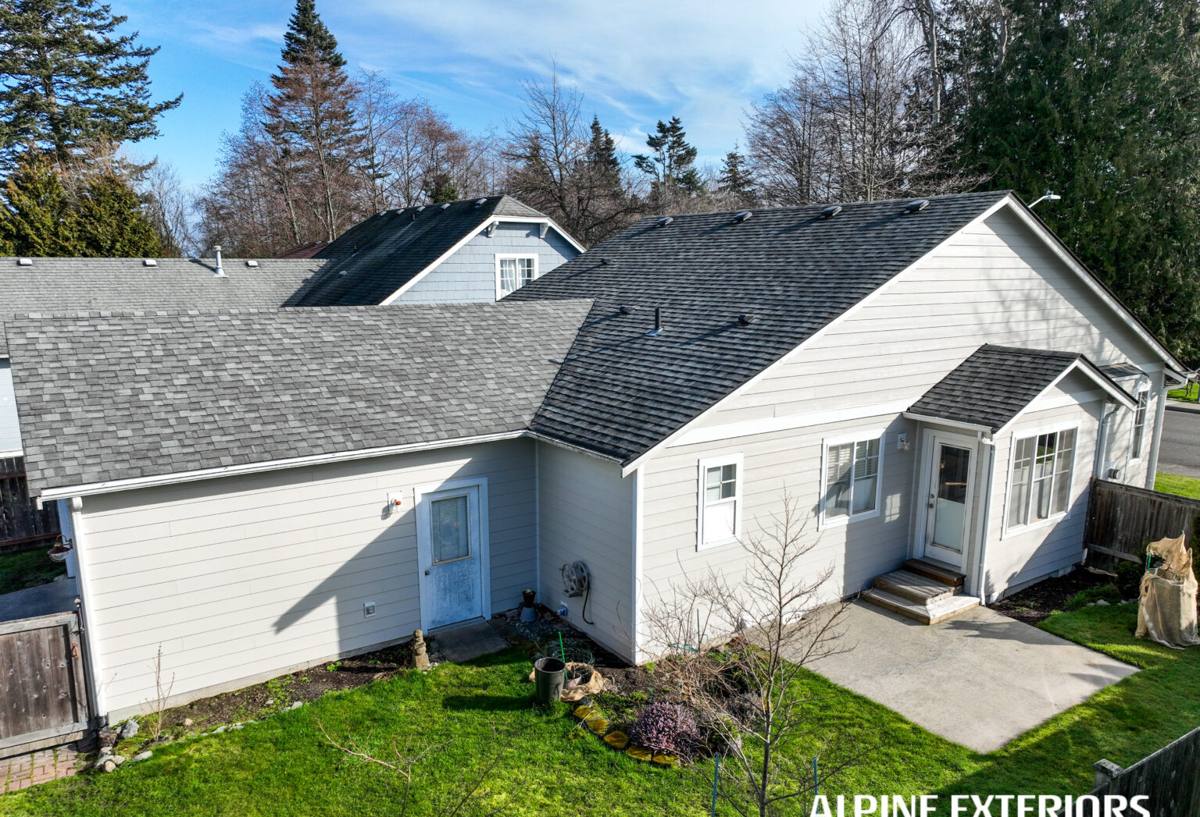
We install siding, roofing, windows, and decks across the St. Petersburg area, and Shore Acres is one of the neighborhoods where we see, up close, what happens when the wrong siding product goes on a house near the water. Peeling paint, swollen board edges, soft spots where moisture has worked its way in, and trim that's been repainted three or four times in a decade are common sights. This page walks through what we see in Shore Acres specifically, why we install only James Hardie fiber cement siding, and how we approach a project on a home this close to the bay.
What the Local Climate Does to Siding Over Time
Salt Air and Humidity
Airborne salt from Tampa Bay settles on exterior surfaces and accelerates corrosion of fasteners, hardware, and any metal trim components. It also interacts with paint films over time, contributing to earlier fading and chalking than you'd see on a home further inland. Combined with Pinellas County's humidity, which stays elevated most of the year, this creates conditions where any siding material with poor moisture resistance is going to show problems faster here than almost anywhere else in the state.
UV Exposure
Florida sun is relentless, and a west- or south-facing wall in Shore Acres takes a real beating over a full year. UV breaks down pigments and resins in lower-quality paint and coatings, which is why so many homes in this area need repainting on a shorter cycle than the manufacturer's original finish would suggest.
Wind-Driven Rain and Storm Wind
During heavy weather, rain doesn't just fall — it gets driven horizontally into wall assemblies, seams, and joints. Siding that isn't dimensionally stable, or that relies on caulked seams to stay watertight, is the first thing to fail under that kind of pressure. And because this is a hurricane-exposed part of the Gulf Coast, wind load on the siding system itself matters just as much as water intrusion.
Why We Install Only James Hardie Fiber Cement
We made a deliberate decision as a company to install one siding system: James Hardie fiber cement. We don't install vinyl, LP SmartSide, Cemplank, Allura, or primed wood products like spruce or cedar. That's not a marketing position — it's a standard we hold because of what we've watched happen to other materials on homes in exactly this kind of coastal, storm-exposed environment.
What Fiber Cement Gets Right for This Climate
- It's non-combustible, which matters for insurance considerations and general fire safety.
- It doesn't expand and contract with humidity swings the way wood-based or engineered-wood products can, so seams and paint lines hold up better.
- James Hardie's ColorPlus factory finish is baked on and warranted separately from the substrate, which reduces the repainting cycle compared to field-painted siding.
- Hardie's HZ5 product line is specifically formulated for high-humidity, hot climates like ours — it's not a one-size-fits-all product engineered for a dry Midwestern winter.
- It holds paint and color far more consistently under sustained UV than wood-substrate products, which reduces the fading and chalking we see so often on older Shore Acres homes.
None of this means fiber cement is maintenance-free — it isn't, and we'll always tell homeowners that honestly. But relative to the alternatives, it's the product that best matches what a home near Tampa Bay actually has to survive.
How Other Siding Materials Hold Up Here — Honestly
We get asked regularly why we won't quote vinyl or LP SmartSide on a Shore Acres home, especially when those products are cheaper upfront. Here's the honest trade-off comparison we walk homeowners through.
| Material | Moisture Behavior Near the Bay | UV / Fade Resistance | Wind Performance | Long-Term Maintenance |
|---|---|---|---|---|
| Vinyl siding | Doesn't rot, but seams and panels can warp or buckle in high heat and shift in wind | Fades and becomes brittle over time in intense sun | Can crack or blow off in high wind if not rated and installed correctly | Low labor, but limited lifespan and repair options once faded |
| LP SmartSide / engineered wood | Wood-strand substrate is vulnerable if the factory coating is breached; edge swelling is common in humid coastal climates | Requires field paint maintenance to protect the substrate | Generally solid when installed to spec | Moderate to high — edge sealing and repainting are ongoing needs |
| Primed wood (spruce/cedar) | Most vulnerable to moisture intrusion, rot, and insect activity in this climate | Needs frequent repainting to protect against sun and salt exposure | Performs adequately but is labor-intensive to maintain at a storm-ready standard | Highest — the classic Florida "repaint every few years" cycle |
| James Hardie fiber cement | Dimensionally stable, engineered for hot/humid coastal climates (HZ5) | Factory ColorPlus finish resists fading far longer than field paint | Rated for high-wind installation when installed to Hardie and local code spec | Lowest of the group — occasional cleaning and caulk inspection |
This isn't a claim that other manufacturers make bad products in a general sense — it's a statement about fit. A siding product engineered and marketed for national use doesn't always perform the same way six blocks from Tampa Bay as it does in a dry inland climate, and we've chosen to install the one that we've seen consistently hold up here.
What a Siding Project Looks Like on a Shore Acres Home
Assessment
We start by looking at the existing siding, the condition of the wall sheathing underneath, and any signs of moisture intrusion around windows, doors, and roof-to-wall transitions — these are the spots that fail first in wind-driven rain. On older homes we often find soft sheathing or old flashing details that need to be corrected as part of the re-side, not just covered up.
Installation to Coastal Standards
Correct installation matters as much as the product choice. That means proper fastener spacing and type (corrosion-resistant, since we're this close to salt air), correct clearances at the ground and roofline, properly lapped and sealed flashing, and following James Hardie's published installation instructions for our wind and climate zone. Fiber cement that's installed loosely or with the wrong fasteners will not perform the way the product is rated to.
Trim, Windows, and Roofing Coordination
Because we also handle roofing, windows, and decks, we can address the whole exterior envelope at once rather than treating siding as an isolated project. That matters in a neighborhood like Shore Acres, where a leak often isn't a siding problem alone — it's a combination of aging roof flashing, an old window that's no longer sealing properly, and siding that's been absorbing the runoff for years.
Hurricane Season and Timing Considerations
Homeowners in this part of Pinellas County often ask about timing a re-side around hurricane season. We're honest about it: there's no perfectly safe window in Florida, but starting a project with enough lead time before peak season reduces the chance of work being interrupted or a home sitting in a partially finished state during a storm threat. We'll talk through realistic scheduling as part of any estimate, based on current lead times and weather outlook.
What to Look for Before You Hire Anyone for Exterior Work
- Ask specifically which siding brand and product line they install — "fiber cement" isn't specific enough; ask for the manufacturer and HZ zone rating.
- Confirm they're familiar with coastal fastener and flashing requirements, not just general installation.
- Ask how they handle wall sheathing that's found to be damaged once old siding comes off — this should be a clear, itemized conversation, not a surprise.
- Check that any wind-rating or code compliance claims are specific to Pinellas County's requirements, not a generic statement.
- Get the warranty terms in writing — both the manufacturer's product warranty and the contractor's workmanship warranty.
Why a Local, Established Crew Matters Here
Siding installation in a coastal Pinellas County neighborhood isn't the same job as siding installation in a dry inland climate — the flashing details, fastener choices, and wind-load considerations are all different. A crew that works this area regularly knows what tends to fail first on a Shore Acres home, what the local permitting and inspection process expects, and how to sequence a project around Florida's weather patterns. That local familiarity is part of what keeps a project on schedule and keeps the finished work performing the way it's supposed to for years, not just for the first season.
If you're weighing a siding, roofing, window, or deck project on a home in Shore Acres, we're happy to take a look and walk you through what we're seeing and what it would take to do the job right. Reach out for a free, no-pressure estimate using the form below.