 St. Petersburg Siding
 Historic Old Southeast sits among the older, established neighborhoods that give St. Petersburg its character — mature tree canopy, a mix of bungalows, Mediterranean Revival cottages, and mid-century homes, many of them within a short drive of Tampa Bay. Homes here carry a different set of exterior demands than a new-build subdivision out toward the interior of Pinellas County. Older wall assemblies, decades of prior repairs and paint layers, proximity to open water, and in some cases historic-district expectations around appearance all factor into what a siding, roofing, window, or deck project actually needs to hold up long-term.
We work throughout St. Petersburg and Pinellas County, and Historic Old Southeast is one of the areas where a generic, one-size-fits-all exterior approach tends to fail fastest. This page covers what the local climate does to homes in this part of the city, how we approach siding and related exterior work here, and why the products we choose to install — and the ones we don't — matter more in a neighborhood like this than almost anywhere else.
What Historic Old Southeast Homes Are Up Against
Pinellas County is a peninsula, and neighborhoods close to Tampa Bay feel that in ways homes further inland don't. Four factors do most of the damage over time:
- Salt air: Even a mile or two from open water, airborne salt accelerates corrosion of fasteners, flashing, and metal trim, and it degrades paint and coatings faster than in drier, inland climates.
- Intense, year-round UV: Florida sun breaks down cheap paint films and unstable siding substrates quickly. Faded, chalking, or peeling siding on a 10-15 year old home is common here, and it's rarely a workmanship problem — it's a materials problem.
- Wind-driven rain: Storms in this area rarely fall straight down. Rain gets pushed sideways into wall assemblies, which means siding, trim, and window flashing details have to actually shed water under pressure, not just when it's calm.
- Hurricane-force wind events: Pinellas County sits in an active hurricane corridor. Siding, soffit, fascia, and roofing all need to be rated and fastened for real wind exposure, not the minimum a builder could get away with decades ago.
Layer all four onto a home that may be 50, 70, or more than 90 years old, and you get wall assemblies that were never designed for today's storm frequency or intensity. That doesn't mean the home needs to be gutted — it means the exterior envelope needs to be upgraded thoughtfully.
The Age Factor: Older Homes, Older Assumptions
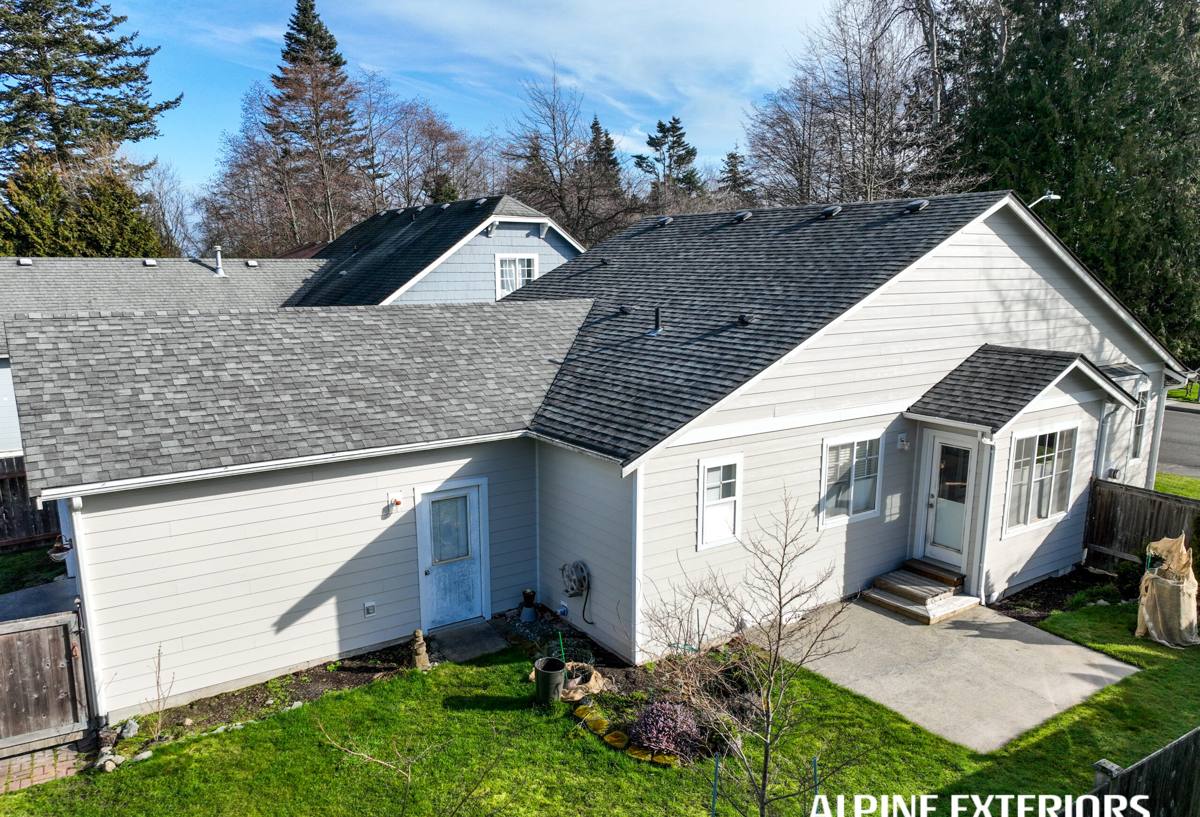
A lot of the housing stock in this part of St. Petersburg predates modern building codes, hurricane strapping requirements, and current moisture-management standards. That's not a criticism of the homes — many are well-built and worth preserving — but it does mean a few things come up repeatedly when we assess a property here:
Layered repairs
Homes that have been through multiple owners often have multiple generations of patch repairs: caulk over caulk, paint over old siding, trim nailed over trim. Each layer traps moisture differently, and it's common to find hidden rot or fastener corrosion once the surface is opened up.
Original wood trim and detailing
Bungalow and Mediterranean Revival-era homes often have wood trim, window surrounds, and eave details that are part of the home's character. Where those elements are sound, we work around them rather than stripping them out by default. Where they've failed structurally, we replace them with materials built for this climate rather than a like-for-like wood replacement that will fail again on the same timeline.
Settling and irregular framing
Older framing isn't always square or true. Siding and trim installation on these homes takes more field measurement and custom fitting than a production-built home — panel siding installed without accounting for this looks wrong and performs worse.
Why We Only Install James Hardie Fiber Cement
We install one siding system: James Hardie fiber cement. We don't install vinyl, LP SmartSide, Cemplank, Allura, or primed wood species like spruce or cedar. That's a deliberate standard, not a sales preference, and it's especially relevant in a neighborhood exposed to the salt air, UV, and wind loads described above.
What rules the others out for us
- Vinyl can warp, buckle, or become brittle under sustained heat and UV exposure, and it's more vulnerable in higher wind events than fiber cement rated for the same conditions.
- LP SmartSide, Cemplank, and Allura are engineered wood-strand or alternative fiber cement products that can perform reasonably well, but they carry different moisture-sensitivity and edge-swell characteristics that we've found create more callbacks in a wind-driven-rain, high-humidity climate like this one.
- Primed spruce or cedar requires an ongoing maintenance commitment — repainting, caulking, and moisture monitoring — that most homeowners underestimate until the coating starts failing under Florida sun a few years in.
What Hardie gets right for this climate
James Hardie fiber cement is non-combustible, dimensionally stable in heat and humidity, and available in HZ5 formulations engineered for high-moisture, storm-prone climates like Florida's. The ColorPlus factory-applied finish is baked on and warranted against fading and chipping in a way field-applied paint can't match, which matters directly under year-round UV. It holds up to salt air exposure better than most alternatives, and it carries a strong transferable warranty when installed to Hardie's specifications — something worth having on a home you may not own forever.
Roofing, Windows, and Decks: The Rest of the Envelope
Siding doesn't work in isolation. On an older home, the roof, windows, and any exterior decking are all part of the same moisture and wind-resistance system, and we treat them that way.
Roofing
A roofing system that's under-flashed or aging faster than it looks will undermine even brand-new siding, since water intrusion at the roofline works its way down behind wall coverings. We check roof condition and flashing details as part of any siding project scope, not as an afterthought.
Windows
Older single-pane or early dual-pane windows are frequently the weakest point in a home's wind and water resistance. Window replacement done alongside siding work lets us properly integrate flashing at the rough openings instead of patching around old window frames — this is one of the most common places we find hidden damage on older Pinellas County homes.
Decks
Outdoor decks and porches in this climate take the same UV and moisture beating as siding, just at ground level with added foot traffic and drainage exposure. We build and repair decks with the same durability standard we apply to the rest of the exterior — this isn't a separate, lower-priority trade for us.
What a Project Typically Involves
Every home in Historic Old Southeast is different, but most siding projects follow a similar sequence:
- On-site assessment of existing siding, trim, flashing, and any visible moisture or storm damage.
- Removal of failing siding and inspection of the sheathing underneath for rot or hidden issues.
- Repair of any compromised framing or sheathing before new material goes on — this step gets skipped by corner-cutting crews and it's where long-term failures start.
- Installation of house wrap and flashing details engineered for wind-driven rain, not just standard vertical rainfall.
- Installation of James Hardie siding to manufacturer fastening and clearance specifications, which is what actually preserves the product warranty.
- Trim, caulking, and final detailing sized to the home's existing architectural lines.
Cost Factors to Expect
Every home is priced individually after an on-site look, but these are the variables that most affect the estimate on an older St. Petersburg home:
| Factor | Why It Matters |
|---|---|
| Extent of hidden sheathing or framing repair | Older homes with layered repairs often need more substrate work than newer construction before new siding can go on correctly |
| Amount of custom trim and detailing | Bungalow and Mediterranean Revival architectural details take more labor to match than a flat production-home wall |
| Siding profile and Hardie product line | Lap siding, shingle-style panels, and board-and-batten carry different material and labor costs |
| Whether windows are replaced concurrently | Combining window and siding work is more efficient than doing them separately later, but changes total project scope |
| Home accessibility and lot conditions | Mature trees, tight setbacks, and older foundations can affect staging and access |
What to Check Before Hiring an Exterior Contractor Here
- Do they carry current Florida contractor licensing and adequate insurance, and will they provide proof without hesitation?
- Do they inspect and repair sheathing and framing issues before installing new siding, rather than covering problems up?
- Do they install to the manufacturer's documented fastening and clearance specifications, not just "close enough"?
- Can they explain, specifically, why they use the siding products they use — and why they avoid the ones they avoid?
- Do they have a plan for wind-driven rain and flashing details, not just a standard weatherproofing approach?
- Will they put the warranty terms in writing before work begins?
Why a Local Crew Matters Here
A contractor who mainly works new construction out in newer parts of the county isn't necessarily set up to handle the quirks of a 70-year-old bungalow with settled framing and three layers of prior repairs. Working regularly in St. Petersburg's older neighborhoods means recognizing what's original, what's a prior patch job, and what's actually failing — and pricing and scoping the work accordingly instead of either over-selling a full teardown or under-scoping a repair that won't hold up through the next storm season.
If you own a home in Historic Old Southeast and want a straight answer on the condition of your siding, roof, windows, or deck, we're glad to take a look and walk you through what we find. There's no pressure and no obligation — just a clear estimate based on what your home actually needs.