 St. Petersburg Siding
 Why Pinellas Park Siding Takes a Beating
Pinellas Park sits inland from the Gulf but is still fully exposed to everything Tampa Bay weather throws at a house. Hurricane-force winds and the wind-driven rain that comes with them don't just threaten roofs — they drive water sideways into wall assemblies through gaps, seams, and aging siding that no longer seals the way it did when it was installed. Between storms, the sun does its own damage. Florida gets some of the most intense year-round UV exposure in the country, and that constant radiation breaks down paint films, dries out caulk joints, and fades color faster than siding products built for milder climates were ever designed to handle.
Add salt air moving inland off Tampa Bay and the Gulf, and you get a third stressor working on fasteners, trim, and any siding material that isn't built to resist corrosion and moisture absorption. None of these factors act alone — they compound. A siding system that's marginal against UV will fail faster once wind-driven rain starts finding its way behind loose or warped panels. That's the environment any siding replacement in Pinellas Park has to be engineered for, not just installed in.
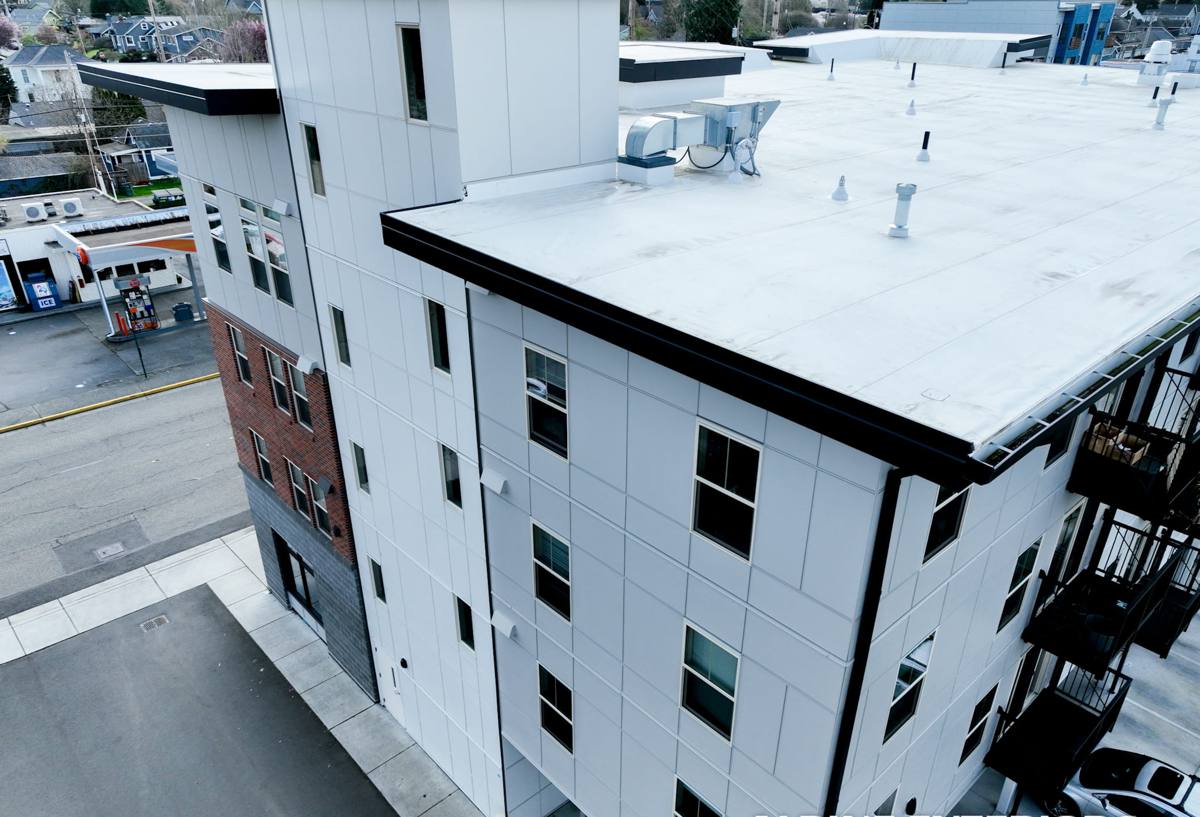
Signs a Pinellas Park Home Needs Siding Replacement, Not Another Repair
Some siding problems are cosmetic and patchable. Others are signals that the whole system is failing and repairs are just delaying a bigger bill. Homeowners in this area should watch for:
- Soft, spongy, or bubbling spots when you press on the siding — a sign moisture has gotten behind it
- Visible warping, buckling, or panels pulling away from the wall, common after repeated wind events
- Paint that's chalking, peeling, or fading unevenly across UV-exposed elevations (especially south and west walls)
- Cracked or crumbling caulk at seams and trim, letting wind-driven rain track behind the siding
- Rust streaks or corroded fasteners, particularly on homes closer to the bay
- Rising energy bills with no other explanation, which can point to a compromised weather barrier
- Visible mold, mildew, or a musty smell along interior walls that back up to exterior siding
One or two of these on their own might mean a targeted repair is enough. Several at once, especially combined with siding that's already 15-20+ years old, usually means the underlying material and moisture barrier are past the point where patching makes sense.
What a Correct Siding Replacement Actually Involves
Siding replacement isn't just pulling off old panels and nailing up new ones. Done correctly, especially in a wind- and moisture-exposed area like Pinellas Park, it's a full wall-system job:
Tear-Off and Substrate Inspection
Old siding comes off down to the sheathing, and that sheathing gets inspected for rot, delamination, or water damage that's been hidden for years. Any compromised wood gets repaired or replaced before anything new goes up — covering damaged sheathing with new siding just traps the problem.
Weather-Resistive Barrier
A proper moisture barrier goes over the sheathing before siding is installed. This layer is what actually stops wind-driven rain from reaching your wall framing if it gets past the siding itself — it's not optional, and it's not something you can see or verify once the job is closed up, which is exactly why the installer's diligence here matters so much.
Flashing and Sealing at Every Penetration
Windows, doors, vents, and any wall penetration are the first places wind-driven rain finds a way in. Correct flashing at these points, integrated with the weather barrier and siding, is what separates a replacement that holds up through hurricane season from one that starts leaking after the first bad storm.
Installation to Manufacturer and Wind-Load Spec
Fastener type, spacing, and clearances all matter — and in Pinellas County, siding has to meet wind-load requirements tied to local building code. Installing to spec isn't a formality; it's what keeps siding attached to the house in a windstorm instead of peeling off.
Why We Install Only James Hardie Fiber Cement
We made a deliberate decision to install James Hardie fiber cement siding exclusively — not vinyl, not LP SmartSide, not Cemplank, Allura, or unfinished wood siding. That's not a marketing position, it's a response to what actually holds up in this climate.
Vinyl siding can warp and distort in intense heat and doesn't stand up well to the debris impact that comes with hurricane-force winds. Wood-based and engineered wood products, however well-treated, remain more vulnerable to moisture absorption over time in a climate where wind-driven rain is a near-annual event. Hardie fiber cement is non-combustible, dimensionally stable in heat and humidity, and engineered specifically for high-moisture, high-UV climates through its HZ5 product line, built for exactly the conditions Gulf Coast homes face.
The factory-applied ColorPlus finish is baked on under controlled conditions and resists the fading and chalking that UV exposure causes in field-applied paint — which matters enormously here, where the sun does more damage to siding finishes than almost anywhere else in the country. Hardie also backs its products with a strong transferable warranty, which only holds real value when installation itself is done correctly, which brings us to how we do the work.
James Hardie vs. Alternatives We Don't Install
| Factor | James Hardie Fiber Cement | Vinyl | Engineered Wood (LP SmartSide, etc.) |
|---|---|---|---|
| Combustibility | Non-combustible | Combustible, can melt/warp near heat | Combustible |
| UV/fade resistance | Factory ColorPlus finish, engineered for fade resistance | Color molded in but can fade/chalk over time | Field-applied paint, needs repainting over time |
| Wind/impact resistance | Rigid, holds up to wind-driven debris | Can crack or blow off in high wind | Solid but moisture-sensitive at edges/seams |
| Moisture behavior | Engineered for humid, wet climates | Doesn't absorb moisture but traps it behind panels | More vulnerable to swelling/rot if moisture gets in |
| Typical lifespan when installed to spec | Decades, with strong transferable warranty | Shorter, especially in coastal/high-UV climates | Shorter without diligent maintenance |
Our Siding Replacement Process for Pinellas Park Homes
- On-site assessment — we inspect existing siding, trim, and any visible signs of moisture or wind damage specific to your home's exposure.
- Product and color selection — walking through Hardie's HZ5 lines, panel styles (lap, shingle, panel), and ColorPlus finish options.
- Written estimate — clear scope, materials, and timeline, no vague allowances.
- Tear-off and substrate repair — old siding removed, sheathing inspected and repaired as needed before anything new is installed.
- Weather barrier and flashing installation — the unseen work that determines whether the job holds up through storm season.
- Hardie siding installation — installed to manufacturer spec and local wind-load code, with correct fastening and clearances.
- Final walkthrough — trim, caulking, and finish details reviewed with you before we call the job done.
What Affects the Cost of a Siding Replacement
Every Pinellas Park home is different, so we won't quote a number without seeing the house — but these are the factors that actually move the price:
| Factor | Why It Matters |
|---|---|
| Home size and wall complexity | More square footage and more corners, gables, and dormers mean more material and labor |
| Substrate condition | Rotted or damaged sheathing found during tear-off adds repair work before new siding can go on |
| Siding profile and finish | Lap, shingle, and panel styles, plus custom ColorPlus color choices, price differently |
| Trim and detail work | Window and door trim, fascia, and soffit work add to scope beyond flat wall siding |
| Access and site conditions | Multi-story sections, tight lot lines, or landscaping can affect labor time |
Why Local Experience in Pinellas Park Matters
A crew that regularly works in Pinellas County knows the wind-load requirements that apply to siding installation here, understands how homes in this part of the Tampa Bay area are typically built, and has already seen how different wall orientations hold up to sun and storm exposure over time. That's not something you can substitute with a general contractor who occasionally does siding on the side. Correct installation, proper permitting where required, and materials matched to this specific climate are what determine whether a siding job lasts one storm season or several decades.
We're not asking you to take our word for how a job should be done — we're explaining the standard we hold every Pinellas Park siding replacement to, and why we won't cut corners on the parts of the job you can't see once it's finished.
Caring for Your New Siding After Installation
James Hardie siding is low-maintenance compared to alternatives, but "low-maintenance" doesn't mean "no maintenance," especially in a climate this demanding:
- Rinse siding periodically to remove salt residue, especially on homes closer to the water
- Inspect caulk joints at trim and penetrations annually, and re-caulk as needed
- Trim landscaping back from siding to maintain airflow and reduce moisture retention
- Address any impact damage from storms promptly rather than letting it sit exposed
- Keep gutters and downspouts clear so water isn't running down or pooling against siding
If your Pinellas Park home is showing signs of siding failure, or you're simply ready to stop patching and do the job right, we're happy to take a look and give you a straightforward, no-pressure estimate using the form below.