 St. Petersburg Siding
 Asphalt Shingle Roofing for Pinellas Point Homes
Pinellas Point sits on a peninsula surrounded by water on three sides, which means every roof here deals with more than the average Florida home. Salt air drifts in off Tampa Bay and the Gulf, afternoon sun bakes shingles nearly every day of the year, and tropical systems bring wind-driven rain that finds any weak point in a roof system. An asphalt shingle roof that's installed correctly and matched to this environment can hold up well for decades. One that's installed with shortcuts tends to show problems early — granule loss, curling edges, or leaks around penetrations within just a few years.
This page covers what an asphalt shingle roof needs to perform in Pinellas Point specifically, what a correct installation actually involves, and how we approach the job from first inspection to final walkthrough.
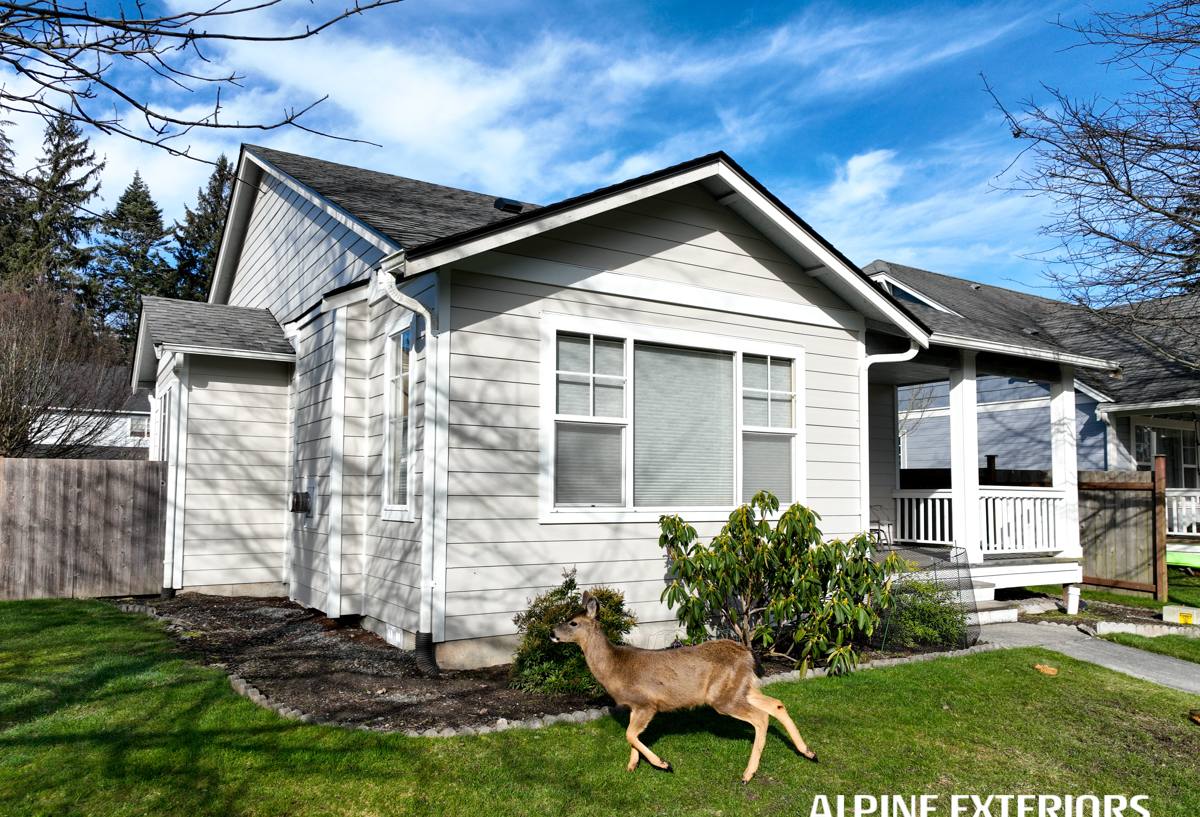
What Pinellas Point's Climate Does to a Roof
Every coastal Pinellas County property faces the same basic stresses, but a few hit harder in this particular area because of the water exposure on nearly every side.
Wind
Hurricane-force and tropical-storm-force winds put direct uplift pressure on shingles, especially at roof edges, ridges, and corners where wind load concentrates. Shingles that aren't rated for the wind speeds this area can see, or that are nailed incorrectly, are the first thing to go in a storm — and once a few tabs lift, water gets underneath the whole system.
UV Exposure
Florida sun is intense and nearly constant. Asphalt shingles rely on their granule coating to block UV rays from breaking down the asphalt underneath. Over years of full sun exposure, that coating wears thin, the asphalt gets brittle, and shingles lose flexibility — which is part of why the same shingle line often doesn't last as long here as it would further north.
Wind-Driven Rain
It's rarely straight-down rain in a storm — it comes in sideways, which pushes water up under shingle edges, around flashing, and into any gap in the underlayment. A roof that only handles vertical rain well isn't enough here; the underlayment and flashing details matter as much as the shingles themselves.
Salt Air
Being this close to the water means airborne salt settles on roofing materials and accelerates corrosion on exposed metal — flashing, nail heads, vent caps, and fasteners. Standard-grade metal components corrode faster in this environment than they would inland, which is why material choice on the details matters as much as the shingle itself.
Signs a Pinellas Point Roof Needs Attention
Most asphalt shingle problems don't start as a dramatic leak — they start small and get worse under repeated sun and storm cycles. Worth checking for or having a professional check for:
- Granules collecting in gutters or at downspout outlets, which signals the shingle's protective coating is wearing away
- Shingle edges that are curling, cupping, or look raised instead of lying flat
- Cracked or missing shingles, especially after a windstorm
- Dark streaking or discoloration, often algae growth that thrives in humid coastal air
- Soft spots in the decking when walked on, or sagging along the roofline
- Rust staining around vent pipes, flashing, or exposed fasteners
- Water stains on interior ceilings, especially near chimneys, skylights, or wall-roof intersections
Catching these early is usually the difference between a repair and a full replacement.
What a Correct Asphalt Shingle Installation Involves
The shingle itself is only one piece of the system. A roof that actually performs in this climate depends on everything underneath and around it being done right.
Decking Inspection and Repair
Before any new material goes down, the roof deck needs to be checked for soft spots, rot, or water damage from the old roof. Installing new shingles over a compromised deck just hides the problem — it doesn't fix it.
Underlayment
A synthetic or self-adhering underlayment provides the actual water barrier beneath the shingles. In a wind-driven rain climate, underlayment quality and coverage at seams, valleys, and edges matters as much as the shingles on top.
Flashing
Flashing around chimneys, vent pipes, skylights, and wall intersections is where the majority of roof leaks actually originate — not in the open field of shingles. Corrosion-resistant flashing, properly lapped and sealed, is non-negotiable this close to the coast.
Fastening
Nail placement, nail count, and nail type all affect wind resistance. Manufacturer specifications exist for a reason, and in a high-wind coastal area like Pinellas Point, following them precisely — not just "close enough" — is what keeps shingles attached during a storm.
Ventilation
Proper attic ventilation lets heat and moisture escape instead of baking the underside of the shingles and the deck. Poor ventilation shortens shingle life and can contribute to moisture problems inside the attic space.
Choosing a Shingle for This Environment
Not every asphalt shingle product is built the same way, and the right choice depends on budget, wind rating, and how much maintenance the homeowner wants to think about.
| Shingle Type | Typical Wind Rating | Best Fit For |
|---|---|---|
| 3-Tab | Lower wind rating, lighter weight | Budget-conscious projects on structures with less wind exposure |
| Architectural / Dimensional | Higher wind rating, heavier construction | Most Pinellas Point homes — better wind performance and appearance |
| Impact-Resistant | Highest wind and impact rating available | Homes prioritizing storm durability and potential insurance credits |
We also look for algae-resistant granule technology on any shingle we install here, since the humidity and coastal air create ideal conditions for the dark streaking that algae causes. It's a cosmetic issue rather than a structural one, but it's avoidable with the right product.
Our Process for a Pinellas Point Roofing Project
1. Inspection and Assessment
We start by getting on or above the roof to assess the current shingle condition, decking, flashing, and ventilation — not just a drive-by look from the ground.
2. Honest Recommendation
We'll tell you plainly whether you're looking at a repair or a full replacement, and what's driving that recommendation. We don't upsell a full roof when a targeted repair will hold.
3. Written Estimate
You get a clear, itemized estimate before any work begins — materials, labor, and scope, with no vague allowances.
4. Install Day
Old material is removed, the deck is inspected and repaired as needed, and the new system goes down in the order that actually protects the home: underlayment, flashing, then shingles, following manufacturer fastening specs for the wind ratings relevant to this area.
5. Cleanup and Walkthrough
The property is cleared of debris and nails, and we walk the finished roof with you so you know exactly what was done.
Why It Matters to Hire a Crew That Already Works This Area
Pinellas Point isn't a generic Florida neighborhood — it's a peninsula environment with wind and salt exposure on nearly every side, and roofing permits and inspections go through the City of St. Petersburg and Pinellas County building departments. A crew that regularly works this specific area already understands the local permitting process, knows what inspectors look for, and has a working sense of how homes here are actually built to handle the wind and rain patterns off the water. That familiarity translates into fewer surprises during the project and a roof detailed correctly the first time, rather than a generic install that happens to be located in Florida.
What Affects the Cost of a Shingle Roof Project
| Factor | Why It Matters |
|---|---|
| Roof size and pitch | More square footage and steeper pitches increase labor and material needs |
| Number of layers to remove | Tear-off of existing layers adds labor and disposal cost |
| Decking condition | Rotted or damaged decking sections need replacement before shingles go down |
| Shingle class chosen | 3-tab, architectural, and impact-resistant products carry different material costs |
| Roof complexity | Valleys, dormers, chimneys, and skylights all add flashing and labor time |
| Ventilation upgrades | Adding or correcting attic ventilation affects both cost and long-term shingle life |
We won't quote a number without seeing the roof — anyone who does is guessing. What we can tell you upfront is that every one of these factors gets covered in a written estimate before work starts.
Maintenance That Extends Shingle Life Here
- Keep gutters and downspouts clear so water isn't backing up under roof edges
- Trim back overhanging branches that drop debris or hold moisture against the roof
- Have the roof visually checked after any significant windstorm, not just during annual maintenance
- Address small leaks or missing shingles quickly rather than waiting for them to spread
- Keep an eye on flashing and vent caps for early rust, given the salt air exposure here
Ready to Talk About Your Roof?
Whether you're dealing with storm damage, an aging roof showing its age, or you're just planning ahead, we're happy to take a look and give you a straight answer about what your Pinellas Point home actually needs. Reach out for a free, no-pressure estimate using the form below.