 St. Petersburg Siding
 Why Coquina Key Windows Wear Out Faster Than Most
Coquina Key sits on the water, and that changes what a window has to survive day to day. Most of the neighborhood is canal-front or close to it, which means windows here take a steady dose of salt-laden air on top of everything else Pinellas County throws at a house. Salt air corrodes metal hardware, pits aluminum frames, and breaks down weatherstripping and sealants years before they'd fail on a home fifteen miles inland. Add in intense year-round Florida UV that bakes vinyl and degrades seals, wind-driven rain that finds every gap in a poor installation, and the hurricane-force wind loads that come with being this close to open water, and you have a short list of reasons why "good enough" window work doesn't hold up here.
None of this means Coquina Key homes need exotic materials. It means the installation has to be done correctly the first time, with the right products for a coastal, waterfront property — because redoing a window job on a canal-front home is more expensive and more disruptive than doing it right from the start.
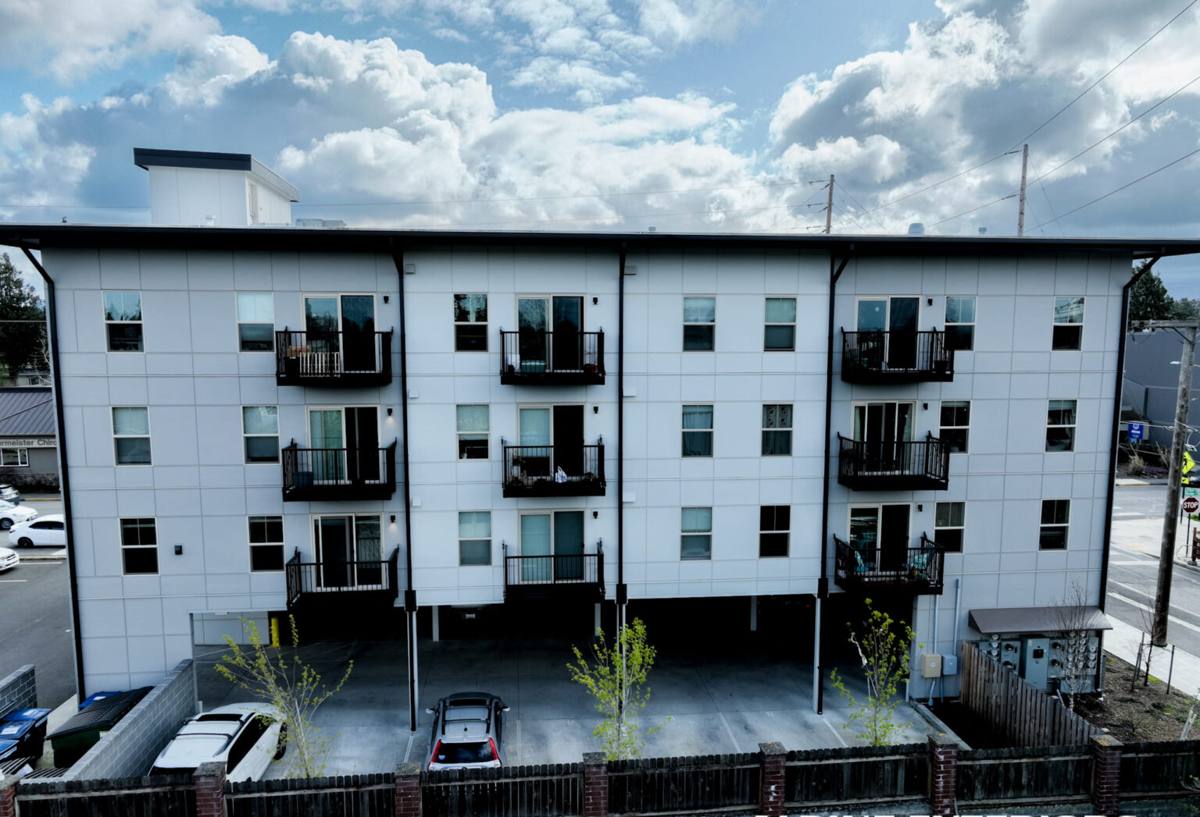
What a Correct Window Installation Actually Involves
A window looks the same whether it's installed well or installed badly — the difference shows up two or five years later, in the form of leaks, fogged glass, soft framing, or a window that won't hold up in a storm. On a waterfront St. Petersburg home, a correct installation means:
- The rough opening is inspected and repaired before the new window goes in — not just caulked around a bad opening
- Flashing is installed in the correct order (a proper shingle-lap sequence) so water is always directed outward, never trapped behind the frame
- Fasteners and hardware are rated for coastal, high-salt environments, not standard interior-grade fasteners
- Sealants are marine- or coastal-grade, applied at the right points around the frame — not just a bead around the exterior trim
- The window itself meets Florida Building Code wind-load and impact requirements for this part of Pinellas County
- Interior and exterior finish work is sealed and reinstalled so the whole opening — not just the window unit — is weathertight
Skipping any one of these steps is usually invisible on installation day. It's also exactly how water gets behind a wall, hardware seizes up, or a window fails under wind pressure it was rated to handle if it had been installed to spec.
Choosing the Right Window for a Waterfront Property
Frame Material Matters More Here Than Inland
Frame material choice affects how a window ages in salt air more than almost any other decision. We steer Coquina Key homeowners toward materials that hold up to corrosion and UV without high maintenance, and we're upfront about the trade-offs of each option rather than pushing one product line.
| Frame Material | Salt Air Performance | UV/Fade Resistance | Maintenance |
|---|---|---|---|
| Vinyl (impact-rated) | Good — no corrosion risk | Good with quality vinyl; lower grades can yellow | Low |
| Aluminum | Fair — needs corrosion-resistant hardware and coatings | Good | Moderate — watch fasteners and seals |
| Fiberglass | Very good — dimensionally stable, resists pitting | Very good | Low |
| Wood-clad | Poor without diligent upkeep — moisture and salt accelerate rot | Depends on cladding | High |
We generally don't recommend uncladded wood frames for a canal-front home in this area — not because wood is a bad material in general, but because the maintenance burden in a salt-air, high-humidity environment is real, and a missed year of upkeep can mean rot at the frame long before the glass or hardware would otherwise need attention. If a homeowner wants the look of wood, a clad or composite option gets closer to that appearance without the same moisture risk.
Glass and Impact Ratings
For a St. Petersburg waterfront home, impact-rated glass (laminated glass in an engineered frame) is worth the upfront cost over standard glass plus separate shutters, mainly because it protects the opening permanently rather than only when someone has time to put shutters up before a storm. It also cuts UV transmission, which helps with fading and interior heat gain — a real factor given how much direct sun this area gets year-round.
Our Installation Process
The process doesn't change because a house is on the water, but the attention to detail at each step increases:
- On-site assessment: We inspect existing openings, framing condition, and any signs of past water intrusion before quoting anything.
- Product selection: We walk through frame material, glass, and impact-rating options based on the home's exposure and the homeowner's budget — no one-size-fits-all recommendation.
- Permitting: We pull the required permit through the local building department before work starts. Window replacement is permitted work in St. Petersburg, and skipping this step creates problems at resale.
- Removal: Old units are removed carefully to avoid unnecessary damage to surrounding stucco, siding, or interior trim.
- Opening prep and repair: Any rot, deteriorated sheathing, or old flashing is addressed before the new window goes in — this is the step that gets skipped most often on rushed jobs.
- Installation: Correct flashing sequence, coastal-grade fasteners, and proper sealant application, set to level and plumb, secured to meet the required wind rating.
- Finish work: Interior and exterior trim is reinstalled and sealed.
- Final inspection: The permitted job is inspected and closed out, and we walk the homeowner through operation and care.
Signs Your Current Windows Are Already Failing
Before recommending a full replacement, we look for these signs — some are obvious, some aren't:
- Fogging or condensation between panes (failed seal on double-pane glass)
- Chalky white residue or visible corrosion on aluminum frames or hardware
- Difficulty opening, closing, or locking — swollen or warped frames
- Soft spots, discoloration, or bubbling paint on the wall or trim around the window
- Drafts or a whistling sound during windy conditions
- Visible daylight or gaps between the frame and the wall
- A musty smell near windows, which often points to trapped moisture
Any one of these can usually be repaired if caught early. Several at once, or damage to the framing itself, usually means replacement is the more cost-effective path.
Cost Factors for a Coquina Key Window Project
We don't publish flat prices because every home and every opening is different, but these are the factors that actually move the number:
| Factor | Why It Affects Cost |
|---|---|
| Number and size of openings | More/larger windows means more material and labor |
| Impact rating | Impact-rated glass and reinforced frames cost more than standard glass |
| Frame material | Vinyl, aluminum, and fiberglass carry different material costs |
| Condition of existing openings | Rot or framing repair adds labor beyond the window install itself |
| Permit and inspection fees | Set by the local building department, not by us |
| Removal and disposal | Old window and material haul-away is part of the job, not an add-on |
A homeowner comparing quotes should ask what's actually included in each of these categories — a lower number sometimes means impact rating, proper flashing, or disposal has been left out.
Permits and Local Requirements
Window replacement in St. Petersburg requires a permit, and the window itself needs to meet Florida Building Code wind and impact requirements for this coastal part of Pinellas County. We handle the permit application and coordinate the required inspection as part of the job — this isn't optional paperwork, it's what protects a homeowner at resale and, more immediately, what confirms the window was actually installed to the standard it's rated for.
Why It Matters That We Already Work Coquina Key
A crew that regularly works this neighborhood already understands what a canal-front lot means for drainage around a foundation, what salt exposure does to hardware over a few seasons, and how wind loads change for a home with open water on one or more sides. That familiarity shows up in small decisions — which fastener grade to use, where extra sealant attention matters, how to sequence work around a seawall or dock without unnecessary disruption — that a crew unfamiliar with waterfront St. Petersburg properties might not think to make. It also means we know the local permitting process and inspection expectations, so a job doesn't stall waiting on paperwork we should have anticipated.
Maintaining Your Windows After Installation
Even a correctly installed window in a salt-air environment benefits from basic upkeep:
- Rinse frames and hardware periodically to clear salt residue, especially after storms
- Inspect exterior sealant annually for cracking or separation
- Lubricate locks and moving hardware to prevent salt-related stiffness
- Address any soft trim or discoloration around a frame promptly rather than waiting
These take a few minutes a few times a year and meaningfully extend the life of the installation.
If you're weighing repair versus replacement, or just want an honest read on what your current windows can and can't handle, we're happy to come take a look. Fill out the form below for a free, no-pressure estimate.