 St. Petersburg Siding
 Storm Damage Roof Repair in Childs Park
Childs Park is one of St. Petersburg's older, tree-lined residential neighborhoods, and that mix of mature canopy and mid-century roof lines creates its own set of storm damage patterns. Wind doesn't just lift shingles here — it drives branches and debris across roofs that have often already taken decades of Florida sun. When a named storm, a strong afternoon thunderstorm cell, or even a fast-moving squall line comes through Pinellas County, the roofs in this part of St. Petersburg need a repair approach that accounts for both the storm event and the baseline wear already sitting on the deck before that storm ever hit.
This page covers what storm damage roof repair actually involves for a Childs Park home — not a generic overview, but the specific things that matter when you're deciding whether to patch, repair, or push for a fuller replacement after wind and rain have gotten into your roof system.
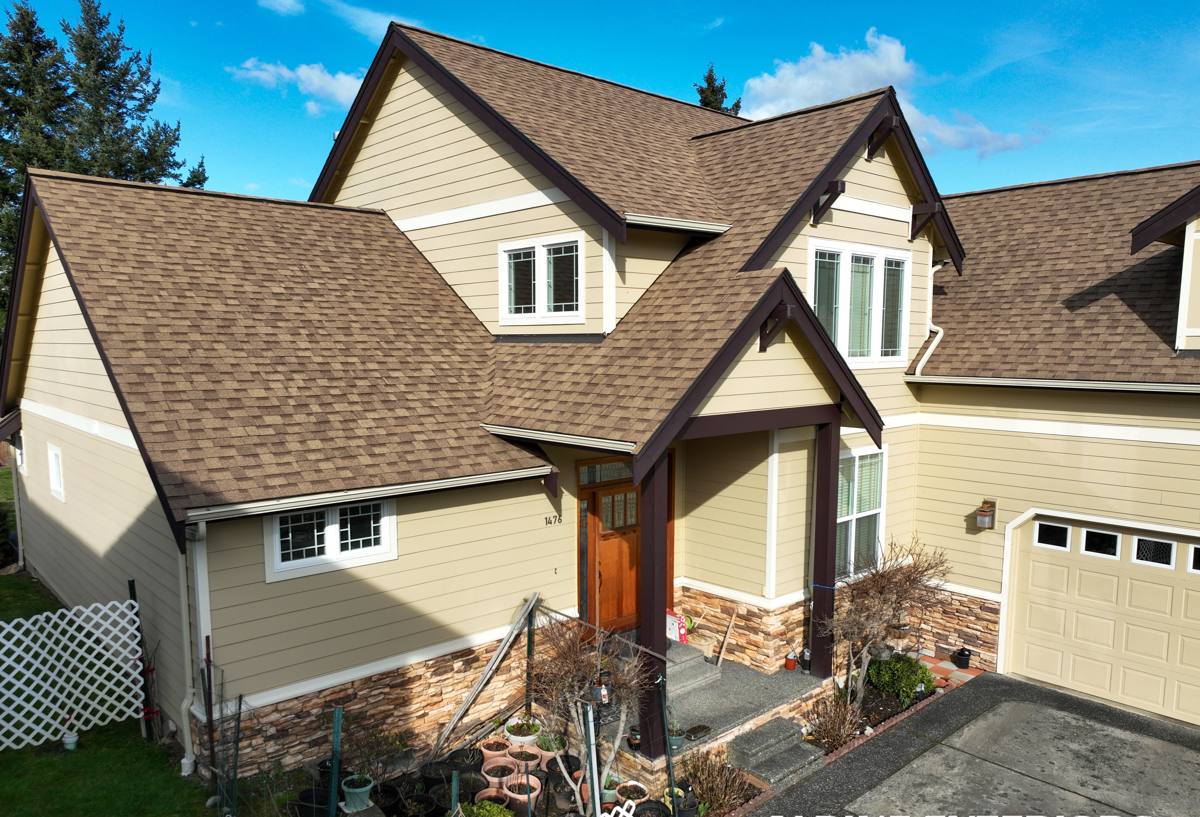
What Florida Storms Actually Do to a Roof
Storm damage in this region rarely comes from one cause. It's usually a combination working against the roof at the same time:
Wind Uplift
Hurricane-force and tropical-storm-force gusts get under shingle edges and ridge caps, especially on roofs where the sealant strip has already weakened from years of heat cycling. Once a few shingles lift, the ones around them become vulnerable the next time wind hits, even at lower speeds.
Wind-Driven Rain
St. Petersburg storms rarely drop rain straight down. Wind pushes it sideways and upward under flashing, around vent boots, and into any gap left by lifted or cracked shingles. This is why water can show up inside a home during a storm even when the shingle field looks mostly intact from the ground — the entry point is often small and hidden.
Year-Round UV Exposure
Long before a storm arrives, Florida's near-constant UV load is already breaking down asphalt shingles, drying out sealant strips, and making roofing materials more brittle. A roof that's been baking under intense sun for 12–15 years will sustain far more damage in the same storm than a newer roof, because the materials have less flexibility left to absorb wind stress.
Salt Air
Being close enough to Tampa Bay and the Gulf that salt-laden air reaches inland neighborhoods like Childs Park, metal components — flashing, fasteners, vent stacks, gutter hardware — corrode faster than they would further inland. Corroded fasteners hold shingles and flashing less securely, which becomes a real problem the moment wind pressure spikes during a storm.
Signs a Childs Park Roof Has Storm Damage
Some storm damage is obvious. A lot of it isn't, and the damage that goes unnoticed is usually what causes the expensive problems six months later — rot, mold, and interior water staining. After any significant wind or rain event, it's worth walking the property and checking for the following:
- Shingles that are missing, curled at the corners, or visibly lifted along an edge
- Granules collecting in gutters or at the base of downspouts (a sign of shingle surface wear or impact)
- Soft spots or slight sagging when you look down a roof plane from the ground
- Bent, lifted, or missing flashing around chimneys, vent stacks, and roof-to-wall transitions
- Ceiling stains, especially in a corner or near an exterior wall, even if they seem minor
- Debris, tree limbs, or scrape marks left across a roof section after high wind
- Gutters pulling away from the fascia or holding standing water after rain has stopped
None of these on their own means a full roof replacement is needed. But any one of them is a reason to get a proper inspection before the next storm finds that same weak point.
What a Correct Storm Repair Actually Involves
A quick patch and a correct repair are not the same job, even when they look similar from the curb. A proper storm damage roof repair in this climate needs to address the water path, not just the visible symptom.
That means checking the underlayment condition under any removed shingles, not just replacing what's missing on the surface. It means resealing or replacing flashing at every penetration near the damaged area, since a single missed flashing point can undo an otherwise good repair. And it means matching shingle type and, where possible, color and profile so the repaired section holds up and doesn't become the next weak point when it ages differently than the surrounding roof.
We also check the roof deck itself wherever damage exposes it. Plywood decking that's been wet for any length of time can soften, and covering soft decking with new shingles just hides a problem that will resurface as a leak or a sag later. If deck repair is needed, that gets addressed before any new roofing material goes down — not after.
Our Storm Repair Process
- Inspection and documentation. We assess the roof, identify every point of damage (not just the one you called about), and document conditions with clear notes — useful for your own records and for insurance if you're filing a claim.
- Scope and explanation. We walk you through what's actually damaged, what's pre-existing wear, and what repair option makes sense — repair, section replacement, or full replacement — in plain terms.
- Temporary protection if needed. If a roof has active leaking or exposed decking, we get it weather-tight first so the interior of the home isn't taking on more damage while repair materials are sourced.
- Repair work. Deck repair where needed, underlayment correction, flashing work, and shingle replacement matched to the existing roof as closely as materials allow.
- Final check. We inspect the completed repair against the surrounding roof field and confirm drainage, flashing seals, and shingle lines are sound before we call the job done.
Repair vs. Replacement: How to Think About Cost
Homeowners in Childs Park are often deciding between a targeted repair and a broader replacement after a storm, especially on roofs already in the 12–20 year range. There's no single right answer — it depends on roof age, extent of damage, and how much of the roof's remaining service life the storm has actually used up.
| Factor | Favors Repair | Favors Replacement |
|---|---|---|
| Roof age | Under 10–12 years | Nearing or past typical shingle lifespan |
| Extent of damage | Isolated to one section or slope | Spread across multiple roof planes |
| Deck condition | Solid, dry decking under damaged area | Soft or water-stained decking in multiple spots |
| Shingle match | Discontinued line still sourceable in small quantity | Shingle line discontinued or heavily weathered elsewhere |
| Insurance scope | Claim limited to specific storm damage | Adjuster scope already includes broader roof replacement |
We'll give you an honest read on which side of this table your roof falls on rather than defaulting to whichever option costs more. A well-executed repair on a sound roof is often the right call, and a full replacement is the right call when the underlying roof simply doesn't have the years left to justify patching around storm damage.
Insurance and Documentation
If you're planning to file a homeowners insurance claim for storm damage, documentation matters as much as the repair itself. We provide a written scope of the damage we find, and we're glad to walk an adjuster through what we're seeing on the roof if that's helpful to your claim. We won't tell you what to say to your insurer or inflate a scope to chase a bigger payout — our job is to give you an accurate picture of the roof so you can make an informed decision, whether that's filing a claim or paying out of pocket for a smaller repair.
Why Local Experience in Childs Park Matters
A crew that already works in Childs Park and the surrounding St. Petersburg neighborhoods has seen how these specific roof types — the mix of ranch and mid-century homes common to the area — hold up under Pinellas County's storm patterns over multiple seasons. That matters for two practical reasons.
First, we can usually tell quickly whether damage is fresh storm impact or long-term wear that a storm simply exposed, because we've inspected enough roofs in this same climate and housing stock to know what normal aging looks like here versus what's storm-related. Second, we're not driving in from out of the area after a big storm, doing rushed volume work, and then disappearing. If a repair needs a follow-up check after the next heavy rain, we're a local call, not a number that stops answering once storm season traffic dries up.
A Few Things We Won't Do
We don't recommend shingle-over-shingle repairs on decking we haven't verified is sound, because it just delays a bigger problem. We don't push full roof replacement on a homeowner when a proper section repair will genuinely hold up. And we don't skip flashing and penetration checks just to close out a job faster — those are almost always where the next leak starts if they're rushed.
If your Childs Park home has taken storm damage — or you just want an honest inspection before hurricane season puts more stress on a roof that's already showing its age — we're glad to take a look. Use the form below to request a free, no-pressure estimate, and we'll give you a straight assessment of what your roof actually needs.