 St. Petersburg Siding
 Windows Built for Pinellas Point's Coastal Climate
Pinellas Point sits on the southern tip of St. Petersburg, with water on multiple sides and very little standing between these homes and whatever comes off Tampa Bay. That location is part of what makes the neighborhood desirable, and it's also exactly why windows here take more punishment than windows a few miles inland. Hurricane-force wind gusts, wind-driven rain that finds every gap in a frame, intense year-round UV that breaks down seals and vinyl, and a steady drift of salt air that corrodes hardware and fasteners — all of it is working against a window from the day it's installed.
A window that's fine in a drier, calmer climate can fail early here, not because the glass breaks but because the seal around it does. Water intrusion, fogged double-pane glass, swollen or rotting frames, and hardware that won't turn anymore are the most common calls we get from homes in this part of St. Petersburg. Getting the installation right the first time — correct flashing, correct fasteners, correct sealant, correct product for the exposure — matters more here than it does almost anywhere else in the county.
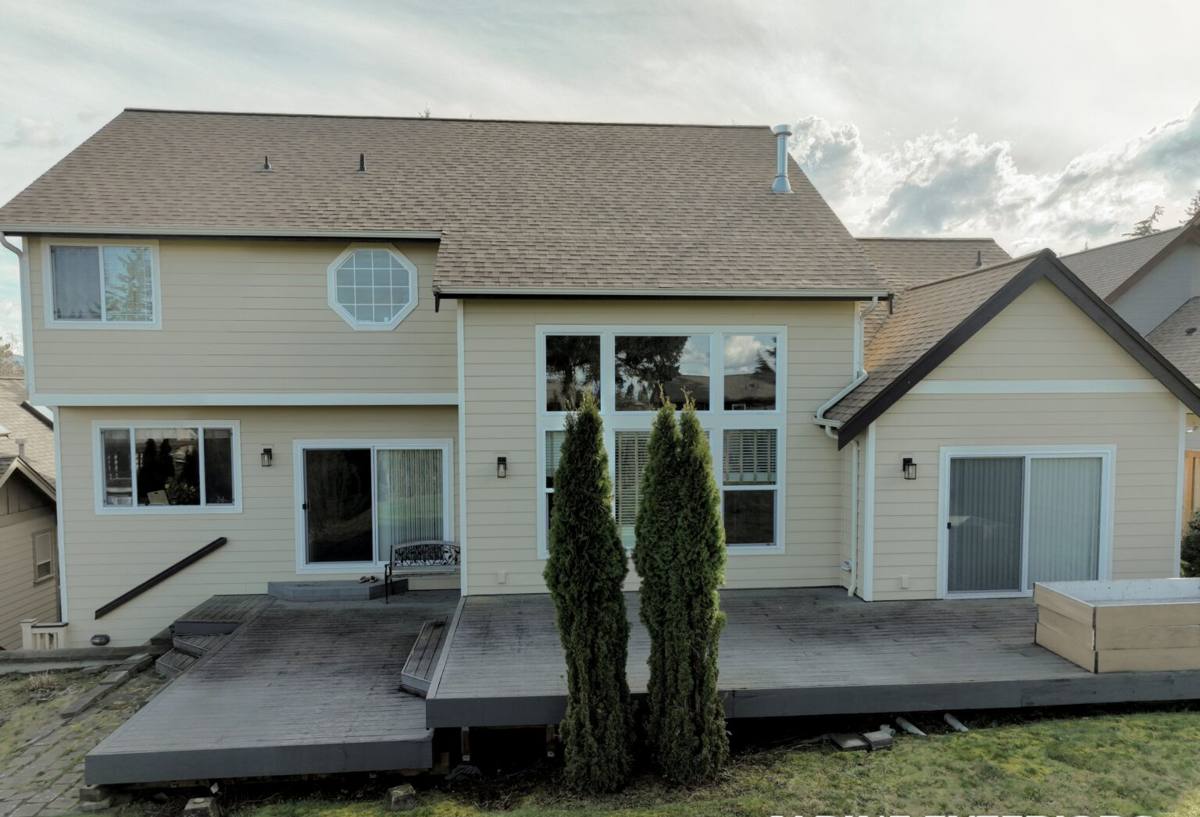
What a Correct Window Installation Actually Involves
Window installation looks simple from the outside: take the old one out, put the new one in. In a coastal wind zone, the parts nobody sees are what actually determine whether the window holds up.
The Opening Comes First
Before a new window goes in, the rough opening has to be checked for level, square, and soundness. Pinellas Point has a mix of older block homes and newer construction, and older openings often have wood substrate that's been damaged by years of moisture intrusion around the old frame. If that wood is soft or rotted, setting a new window into it — no matter how good the window is — just repeats the same failure a few years later. We check and repair the opening before anything gets installed.
Flashing and Water Management
Flashing is the layer that directs water away from the wall assembly if it ever gets past the window itself, and in a climate with regular wind-driven rain, it will get past the window eventually. Proper flashing tape or pan flashing at the sill, correctly lapped house wrap or building paper, and a drainage path that lets any water that does get in find its way back out — this is the difference between a window that stays dry for twenty years and one that causes hidden wall damage nobody notices until the drywall is stained.
Sealant and Fastening
Salt air is hard on standard fasteners and cheap sealants alike. We use corrosion-resistant fasteners rated for coastal exposure and marine-grade or high-performance sealants around the frame perimeter, not general-purpose caulk that chalks and cracks under UV within a couple of seasons.
Common Window Problems We Find in Pinellas Point Homes
Every neighborhood has its own pattern of issues, and after years of working in and around St. Petersburg and Pinellas County, we see the same handful of problems repeat in this area:
- Aluminum-frame windows from decades past with hardware that's corroded stiff from salt air exposure
- Single-pane glass that offers no real barrier against UV heat gain or storm noise
- Sealant around the frame that's cracked, shrunk, or pulled away, letting wind-driven rain track in during storms
- Fogged or cloudy double-pane glass, meaning the seal between the panes has failed and the insulating gas is gone
- Frames that don't meet current wind-load or impact requirements, which matters at resale and for insurance
- Wood rot or soft framing around the opening from years of slow water intrusion behind an old, poorly flashed window
Any one of these is a reasonable trigger to start looking at replacement rather than another round of caulk and patch repairs, which rarely hold up more than a season or two this close to the water.
Choosing the Right Window for This Location
There isn't one "best" window for every home — the right choice depends on the home's exposure, budget, and how much of the storm-protection burden you want the window itself to carry versus shutters or panels. Here's how the main options compare for a home in this part of St. Petersburg:
| Frame Material | Salt-Air Durability | Insulation Performance | Best Fit |
|---|---|---|---|
| Vinyl | Good — won't corrode or rust | Strong, especially multi-chamber profiles | Most homes; solid balance of cost and performance |
| Aluminum | Fair — prone to pitting and corrosion over time near the water | Weaker unless thermally broken | Impact framing where a slim sightline matters more than insulation |
| Fiberglass/Composite | Excellent — very stable in heat and salt exposure | Strong, low expansion/contraction | Homes prioritizing longevity over upfront cost |
Impact-Rated vs. Standard Glass with Shutters
Homeowners in Pinellas Point generally choose between impact-rated glass (laminated glass that stays intact even if the outer pane cracks) built into the window itself, or standard glass paired with separate storm shutters or panels. Impact glass costs more upfront but protects the home any time you're not there to put up shutters, cuts outside noise noticeably, and blocks a large share of UV — a real benefit given how much sun this location gets. Shutters cost less initially but require action before every storm and don't help with the daily UV and noise a window faces the rest of the year.
Our Window Installation Process
- On-site assessment — we look at each opening, the existing frame condition, and how the home is exposed to wind and water before recommending anything.
- Product selection — we walk through frame material, glass package, and impact vs. standard options based on your budget and the home's exposure.
- Permitting — we handle the permit application with the appropriate building department so the job is inspected and documented correctly.
- Opening prep — old windows come out, the rough opening is inspected, and any damaged substrate is repaired before the new unit goes in.
- Installation — the window is set level and square, flashed correctly, fastened with corrosion-resistant hardware, and sealed with a coastal-grade sealant.
- Final inspection and walkthrough — we check operation, seal, and finish, and pass the required inspection before calling the job done.
Permits, Codes, and Wind Requirements
Window replacement in St. Petersburg and Pinellas County requires a permit, and the products used have to meet Florida Building Code wind and impact standards for the home's specific wind zone. This isn't paperwork for its own sake — it's what confirms the window installed can actually hold up to the pressures a coastal storm puts on it, and it protects you at resale and with your insurer, since undocumented or non-compliant window work can come up during a home sale or claim. Because Pinellas Point sits right on the water, homes here can also fall within a flood zone designation that affects certain permit reviews. We pull the permit, work with the local building department, and make sure the paperwork matches what's actually installed — that documentation is part of the job, not an afterthought.
What Drives the Cost
Window installation pricing varies by home, and we'd rather explain what moves the number than throw out a flat rate that doesn't apply to your house. Broadly, most homeowners in this area land somewhere in the mid-to-upper hundreds per window for standard replacements, running higher for larger openings or full impact-rated units — but the honest answer is it depends on the factors below.
| Factor | Why It Matters |
|---|---|
| Impact-rated vs. standard glass | Impact glass costs more per unit but removes the need for separate shutters |
| Window size and count | Larger openings and whole-house jobs affect labor and material totals |
| Frame material | Vinyl, aluminum, and fiberglass carry different material costs and lead times |
| Condition of the existing opening | Rotted or damaged substrate needs repair before installation, adding labor |
| Retrofit vs. full-frame replacement | Full-frame work removes and replaces the whole assembly, not just the sash, which takes more labor but corrects underlying flashing issues |
Why Local Experience in Pinellas Point Matters
A crew that already works this part of St. Petersburg knows what a Pinellas Point opening usually looks like behind the old frame, understands the wind and flood zone requirements that apply here, and has a working relationship with the local building department that keeps permitting moving instead of stalling. That familiarity shows up in fewer surprises mid-job — we're not learning this neighborhood's block construction, salt exposure, or code requirements on your project. It also means we're a known, findable local outfit if a warranty question or adjustment ever comes up down the road, not a crew that worked the area once and moved on.
Caring for Your New Windows in a Salt-Air Climate
A well-installed window still needs some upkeep in this environment to get its full lifespan:
- Rinse frames and hardware periodically to clear salt residue, especially after storms with onshore wind
- Check exterior sealant once a year for cracking or gaps and have it addressed before it becomes a leak path
- Operate hardware regularly so hinges and locks don't seize from corrosion or disuse
- Watch for condensation between panes, which signals a failed seal on double-pane glass
- Keep window wells and sills clear of debris so water has a clean path to drain
If you're weighing whether it's time to replace the windows on a Pinellas Point home, we're happy to take a look and give you a straight answer — no pressure, no inflated quote to scare you into a decision. Fill out the form below for a free estimate.