 St. Petersburg Siding
 Why Pinellas Point Homes Need More Than a "Standard" Window
Pinellas Point sits at the southern tip of the St. Petersburg peninsula, with water on multiple sides and nothing but open exposure between your windows and whatever the Gulf Coast throws at them. That means intense, near year-round sun load on west- and south-facing glass, wind-driven rain that gets pushed sideways during summer storms, salt-laden air that never really stops, and the real possibility of hurricane-force winds during storm season. A window built for a subdivision in the Midwest is not built for this. A window built for Pinellas County is.
Energy-efficient windows here have to do two jobs at once: keep conditioned air inside so your HVAC system isn't fighting a losing battle all summer, and hold up physically against wind, water intrusion, and corrosion. Get either one wrong and you end up with a window that looks fine for a year or two and then fails — fogging between panes, hardware seizing up, frames chalking and cracking, or worse, water finding its way into the wall cavity during a heavy blow.
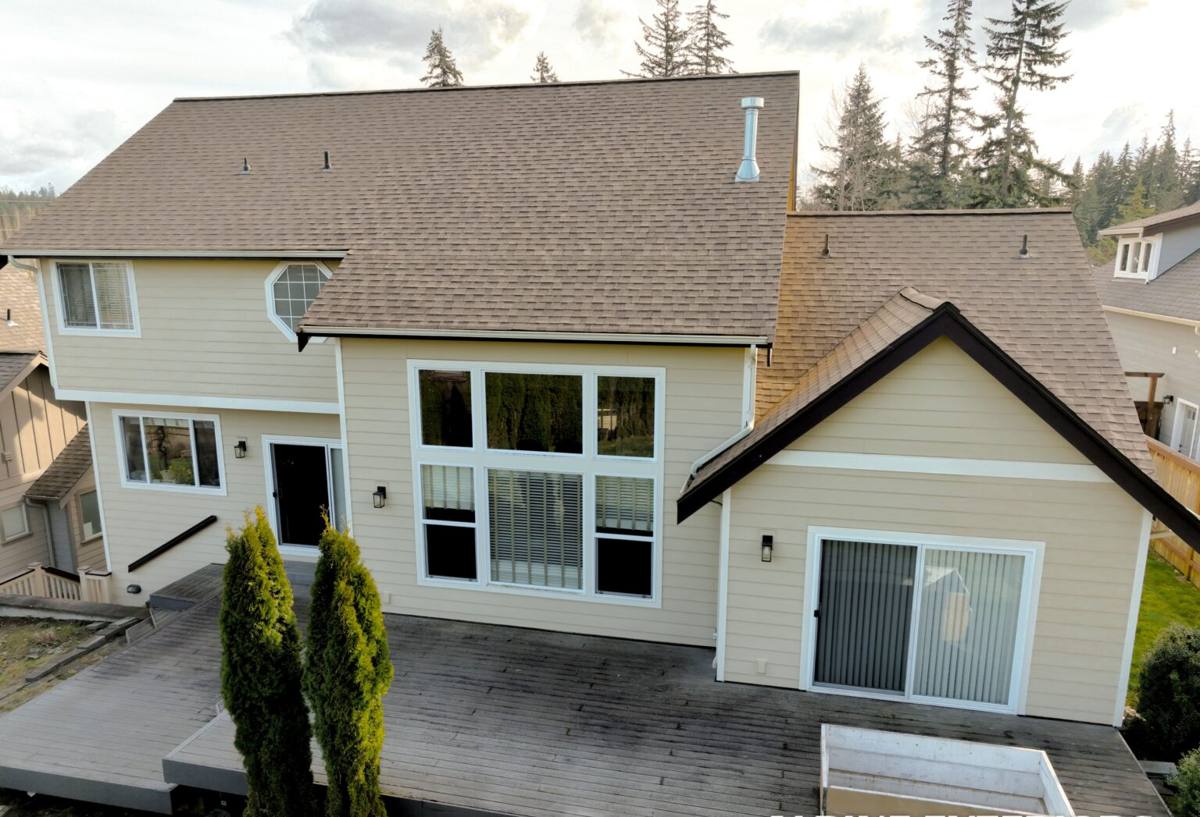
What "Energy Efficient" Actually Means on the Gulf Coast
The label gets thrown around loosely. For a St. Petersburg home, it should mean specific, verifiable performance numbers — not just a sticker on the glass.
U-Factor and Solar Heat Gain Coefficient (SHGC)
U-Factor measures how well a window resists heat transfer — lower is better. SHGC measures how much solar heat comes through the glass — and in a market where air conditioning is your single biggest utility cost, a low SHGC matters more here than it does in a heating-dominated climate. Every legitimate window carries an NFRC label with both numbers; ask to see it before you agree to anything.
Low-E Coatings and Gas Fills
A Low-E (low-emissivity) coating is a microscopically thin metallic layer that reflects infrared heat while still letting visible light through. Paired with an argon or krypton gas fill between panes, it cuts down radiant heat gain significantly compared to older single-pane or basic dual-pane glass. This is the single biggest efficiency upgrade available for a coastal Florida home, and it works alongside — not instead of — good frame sealing.
Frame and Seal Quality
None of the glass performance matters if the frame isn't sealed correctly to the rough opening. A high-end insulated glass unit installed with sloppy flashing or gapped sealant will leak air and water regardless of its rating. Efficiency is a system, not a single component.
Wind and Impact Requirements You Can't Skip
Pinellas County falls within Florida's wind-borne debris region, which means window replacements are governed by the Florida Building Code's requirements for impact resistance or approved protection, not just whatever a homeowner happens to like the look of. This isn't optional paperwork — it's what keeps a window in its opening, and keeps your home's envelope intact, when storm winds hit.
There are generally two compliant paths:
- Impact-rated windows — laminated glass that stays intact even when the outer pane cracks, engineered and tested as a full assembly with the frame.
- Non-impact windows plus approved opening protection — code-rated shutters or panels installed and deployed correctly before a storm.
We'll walk you through which path fits your home, your budget, and your exposure, and we pull permits accordingly with the City of St. Petersburg or Pinellas County as required for your address.
Frame Material: What Actually Holds Up in Salt Air
Frame material choice matters more here than in most parts of the country, because salt air accelerates corrosion and UV breakdown on materials that aren't built for it. Here's how the common options compare for a Pinellas Point application:
| Frame Material | Salt Air / Corrosion | Energy Performance | Maintenance |
|---|---|---|---|
| Vinyl | Does not corrode; UV-stabilized vinyl resists sun degradation well | Good natural insulator; multi-chambered profiles improve performance further | Low — periodic cleaning, no painting or sealing needed |
| Aluminum | Prone to pitting and corrosion near saltwater without marine-grade coatings | Naturally conductive; needs thermal breaks to perform well | Moderate to high — coatings and hardware need monitoring |
| Fiberglass | Excellent — dimensionally stable and corrosion-resistant | Very good; low expansion/contraction helps maintain seals over time | Low, but material and installation cost run higher |
| Wood / Wood-Clad | Poor without diligent upkeep — humidity and salt accelerate rot | Good when intact | High — regular sealing and inspection required |
For most Pinellas Point homes, we steer clients toward quality vinyl or fiberglass. It's not that aluminum or wood windows can't be made to work — it's that the maintenance burden and corrosion risk in this exposure make them a harder honest recommendation, and we'd rather tell you that upfront than sell you a callback three years from now.
What a Correct Installation Actually Involves
The window itself is maybe half the job. Installation quality is what determines whether that window performs for fifteen years or leaks in its first named storm. A correct installation includes:
- Removing the old unit without damaging the rough opening or surrounding stucco/siding
- Inspecting the opening for existing water damage, rot, or improper framing before anything new goes in
- Installing a proper weather-resistant barrier and flashing sequence — water has to be directed out, not trapped in the wall
- Setting the window plumb, level, and square, with correct shimming so the frame isn't under stress
- Using manufacturer-specified fasteners and anchoring for the documented wind rating — substituting hardware voids the rating even if the window itself is correct
- Sealing with the appropriate exterior sealant rated for sun and salt exposure, not a generic caulk
- Final check of operation, drainage weep holes, and hardware function before we call it done
Skip any one of these steps and the window's official rating on paper stops meaning much in practice.
Our Process for Pinellas Point Homes
1. On-Site Assessment
We look at sun exposure by elevation, existing window condition, wall construction, and any signs of past water intrusion — common in older Pinellas Point housing stock that's seen decades of coastal weather.
2. Product and Permit Planning
We recommend glass packages and frame materials based on that assessment, not a one-size default, and handle the permitting through the appropriate Pinellas County or City of St. Petersburg building department before work starts.
3. Installation
Crews follow the sequence above on every opening — no shortcuts on flashing or fastening regardless of how routine the job looks.
4. Inspection and Close-Out
We coordinate the required inspections, walk the finished work with you, and make sure you have your warranty documentation and product information on file.
What Drives the Cost
Every home is different, so we won't quote a number until we've seen the openings, but these are the factors that move price up or down:
| Factor | Why It Matters |
|---|---|
| Impact-rated vs. standard + shutters | Impact glass costs more per unit but eliminates the labor of deploying separate protection before every storm |
| Frame material | Vinyl is typically most affordable; fiberglass costs more upfront but holds up longer in salt air |
| Number and size of openings | Larger or unusually shaped windows require custom sizing and more labor |
| Glass package | Low-E coatings and gas fills add cost but reduce long-term cooling bills |
| Existing opening condition | Rot or framing repair discovered during removal adds time and materials |
| Egress requirements | Bedroom windows may need to meet specific egress sizing, which can limit product options |
We'll break down these factors specifically for your home in writing, so you know what you're paying for and why — not a lump number with no explanation behind it.
Protecting the Investment Long-Term
Even the right window in the right frame material needs a little upkeep in a salt-air environment. A few habits go a long way:
- Rinse frames and hardware periodically to clear salt residue, especially on homes closer to open water
- Check weep holes for debris so drainage paths stay clear
- Lubricate locks and hinges per manufacturer guidance rather than letting salt air seize them up
- Inspect exterior sealant annually and have gaps re-sealed before they become water paths
- Have storm protection (shutters or panels) checked and ready well before hurricane season, not the week a storm is forecast
Why It Matters That We Already Work in Pinellas Point
A crew that's installed windows across St. Petersburg and Pinellas County knows the difference between a job that looks fine on install day and one that's still tight five hurricane seasons later. We know what the local building departments expect for documentation and inspection, we know which frame materials actually hold up against this specific combination of sun, salt, and storm exposure, and we've seen firsthand what happens when any of that gets skipped. That's a different starting point than a crew learning the coastal code requirements for the first time on your house.
If you're weighing whether it's time to replace aging windows or want a straight answer on what a correct, code-compliant installation looks like for your Pinellas Point home, we're happy to take a look. Request a free, no-pressure estimate using the form below and we'll walk the property with you before recommending anything.