 St. Petersburg Siding
 Decking on Snell Isle Has to Answer to the Water
Snell Isle sits right up against Tampa Bay, with canals running through much of the neighborhood and open water never far from any given lot. That's the appeal of living there, and it's also exactly what makes decking a harder problem than it is a few miles inland. A deck on Snell Isle isn't just sitting in Florida sun — it's sitting in a yard that gets salt-laden air off the water almost daily, humidity that barely lets up, and direct exposure to whatever comes off the bay during a storm. Any decking material or fastener that isn't built for that combination will show it within a few seasons, usually as fading, splintering, corrosion streaks, or boards that start to cup and lift at the edges.
We install composite decking across St. Petersburg and Pinellas County, but Snell Isle jobs get planned with the waterfront in mind from the first walkthrough — board selection, hardware, and structural details all shift a little when the house is fifty yards from a canal instead of a mile from it.
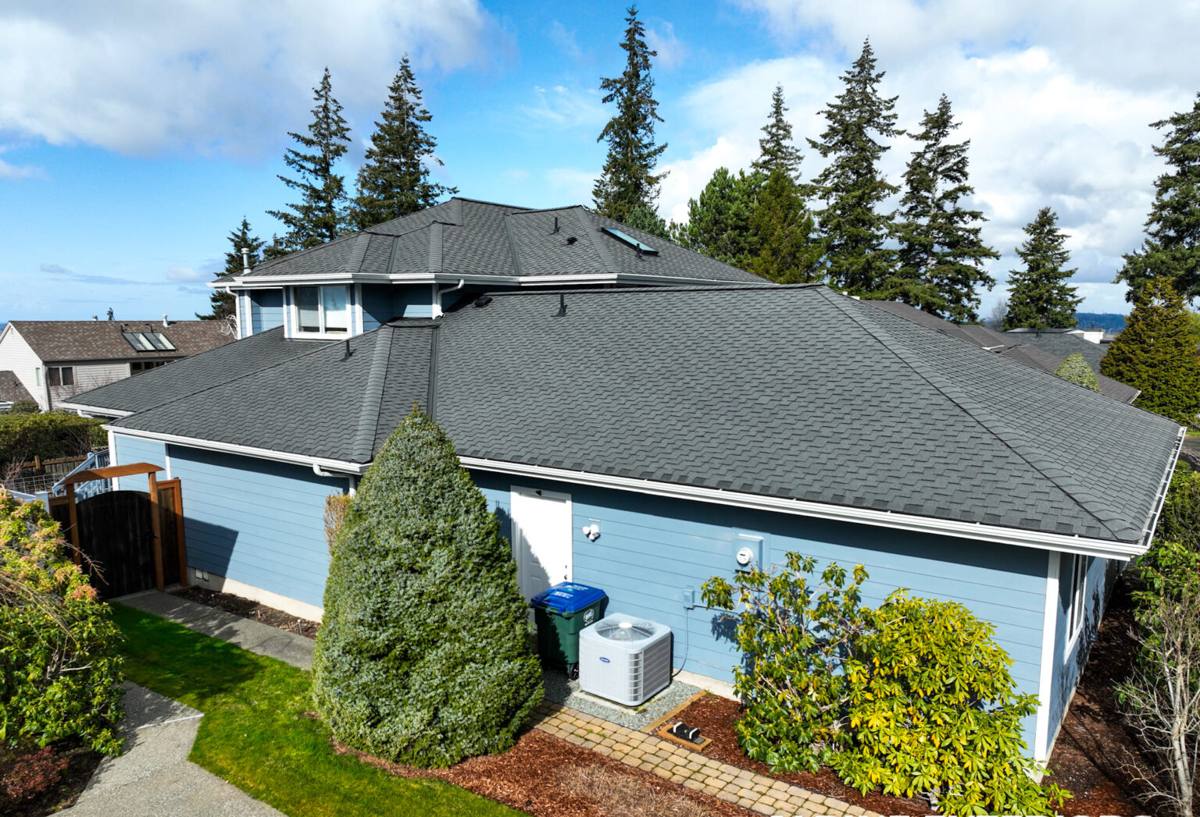
What the Local Climate Actually Does to a Deck
Salt air and corrosion
Salt in the air doesn't just affect boats and railings — it accelerates corrosion in any exposed metal on a deck: fasteners, joist hangers, post bases, and railing hardware. On a standard inland deck, mediocre hardware might last a decade. Near open water it can start rusting and staining the decking around it in a fraction of that time if the wrong grade was used.
UV exposure, year-round
St. Petersburg doesn't get a real off-season for sun. UV breaks down the surface of untreated wood and lower-grade composites, leading to graying, chalking, and eventually a rough, splintering surface. Color-stable composite capping is the difference between a deck that looks the same in year six as it did in year one and one that's visibly faded.
Wind-driven rain and moisture cycling
Pinellas County sees intense, sideways rain during storms, and a waterfront lot doesn't get much of a break from ground moisture either. Decking that isn't fully capped or properly ventilated underneath will absorb water at cut ends and fastener points, swell, and eventually rot or delaminate — even materials marketed as low-maintenance.
Hurricane-force wind loads
Decks near the water take wind loads that inland decks simply don't see. Framing, ledger attachment, post connections, and railing anchoring all need to be built to hold up under gusts, not just support foot traffic on a calm day.
Why We Steer Waterfront Clients Toward Composite
Wood decking has its place, and we still install it when a homeowner wants that specific look and understands the upkeep. But on a lot like Snell Isle, wood asks for more than most owners want to give it: annual sealing, more frequent board replacement where end grain sits exposed to moisture, and a much shorter window before splintering or graying sets in near the water. Composite decking — specifically a fully capped board, not the older uncapped composites from years back — handles the salt-air-plus-UV combination with far less maintenance and a longer service life. That's our professional standard for this neighborhood: not because wood is a bad product, but because the maintenance and moisture trade-offs don't line up well with a waterfront exposure.
Composite Decking Board Types — How They Hold Up Locally
| Board Type | Salt Air / UV Resistance | Maintenance | Best Fit |
|---|---|---|---|
| Uncapped composite | Moderate — surface absorbs moisture over time | Periodic cleaning, can mold/mildew near water | Budget builds set back from the water |
| Capped composite (cap on all sides) | Strong — shell resists moisture and salt staining | Occasional washing, no sealing | Most Snell Isle installs |
| PVC decking | Very strong — no wood fiber to absorb moisture | Low; wipe down as needed | Docks, seawalls, high-splash areas |
| Pressure-treated wood | Weak without regular sealing near salt air | Annual cleaning and sealing | Owners who want a specific wood look and accept upkeep |
What a Correct Installation Involves
Composite boards are only as good as what's underneath and holding them together. A lot of deck problems we get called to fix aren't the decking's fault — they're a framing or fastener shortcut that didn't account for the environment. On every Snell Isle project we build to the same set of standards:
- Structural framing sized and spaced for the actual span and load, not the manufacturer's minimum for an inland climate
- Stainless steel or coated hardware rated for coastal/salt exposure at every hanger, bracket, and fastener — not standard galvanized
- Hidden fastener systems where the board allows it, so the capped surface isn't punctured and no fastener heads become rust spots
- Proper ledger board flashing and waterproofing where the deck attaches to the house, so wind-driven rain can't work its way into the structure
- Adequate under-deck ventilation to keep humidity from being trapped against the joists
- Post bases and connections engineered for local wind loads, with attention to uplift resistance near open water
- Expansion gaps set correctly for composite board movement in Florida's heat and humidity swings
Permits, Wind Load, and Working Near Water
Decking work in Pinellas County goes through the same permitting and Florida Building Code wind-load requirements as any other structural exterior work, and homes closer to the water sometimes carry additional review depending on flood zone and elevation. We handle the permit application and inspection scheduling as part of the job rather than leaving it for the homeowner to sort out, and we build to the wind-load requirements that apply to the property rather than a generic minimum. If a property has HOA or deed-restriction requirements — not uncommon in established waterfront neighborhoods — we work within those as well once we know what they are; we don't assume specifics that vary lot to lot.
How the Job Runs, Start to Finish
- On-site assessment: we look at the existing structure (if there is one), the lot's exposure to open water or canal, drainage, and access before quoting anything.
- Material selection: we walk through board options, colors, and railing systems suited to a waterfront exposure and the look of the house.
- Permitting: we pull the permit and handle code compliance for framing and railings.
- Demo and framing: old decking is removed if applicable, and framing is inspected or rebuilt to current structural standards.
- Installation: decking, fasteners, and railing go in per manufacturer spec and our own hardware standards for salt exposure.
- Final walkthrough and inspection: we confirm the finished deck passes inspection and walk the homeowner through care.
What Composite Decking Actually Costs to Get Right
Composite decking runs a wide range depending on board tier, deck size, height off grade, railing style, and structural work needed underneath. As a rough guide for how the pieces stack up:
| Cost Factor | Why It Moves the Price |
|---|---|
| Board tier | Entry-level capped composite vs. premium PVC or high-end composite lines |
| Substructure condition | New framing costs more than reusing sound existing framing |
| Deck height and stairs | Taller decks and multi-level layouts add framing, footings, and railings |
| Railing system | Composite/aluminum railing vs. cable or glass panel systems |
| Fastener and hardware grade | Coastal-rated hardware costs more than standard-grade but is not optional here |
| Permit and engineering | Wind-load engineering for larger or waterfront-facing decks |
We give a firm, itemized quote after seeing the property — we don't quote sight-unseen, because the substructure condition and lot exposure change the number more than the decking material does.
Living With a Composite Deck on Snell Isle
One of the real advantages of a correctly installed capped composite deck is how little it asks of you afterward. There's no annual sealing or staining. Routine care is simple:
- Rinse or hose down periodically to clear salt residue, especially after storms blowing in off the bay
- Sweep off leaves and debris so moisture and organic buildup don't sit against the boards
- Check railing hardware and fasteners once or twice a year for any early corrosion, particularly on the water-facing side
- Clean mildew or algae spots with a mild soap and soft brush rather than a pressure washer set too aggressively, which can damage the cap surface
- Keep gutters and downspouts clear so runoff isn't dumping directly onto the deck surface
None of this is heavy maintenance — it's the difference between a deck that stays tight and good-looking for years and one that starts showing salt and sun damage early because it was never given the small amount of attention a waterfront exposure calls for.
Why Local Experience on This Neighborhood Matters
A contractor who mostly builds decks inland can still do competent framing, but they won't necessarily know to spec coastal-rated hardware by default, plan for the wind exposure a canal-front or bay-front lot sees, or recognize the early signs of salt-related wear when doing a walkthrough. Crews who already work Snell Isle and the rest of St. Petersburg's waterfront neighborhoods build those decisions in from the start instead of learning them the hard way on someone's deck. That's the gap between a deck that needs attention again in a few years and one that's still solid a decade out.
If you're planning a new deck or replacing one that's showing its age, we're happy to come take a look and put together a straightforward, no-pressure estimate — just fill out the form below.