 St. Petersburg Siding
 Siding in Disston Heights: An Older Neighborhood Facing a Tougher Climate Than It Was Built For
Disston Heights is one of St. Petersburg's established residential neighborhoods, with a housing stock that skews older — a mix of mid-century ranches, bungalows, and additions built up over decades. Most of that housing was sided decades before builders had to think seriously about hurricane wind loads, wind-driven rain intrusion, or the slow chemical wear of salt-laden Gulf air. When we get called out to Disston Heights, we're almost always looking at siding that was adequate for its era but is now past the point where patching or repainting buys much more time.
This page is about one thing: what it takes to install siding correctly on a Disston Heights home, given what Pinellas County's climate actually does to a house year-round. It's not a generic siding overview — it's what we've learned installing on homes in this part of St. Petersburg specifically.
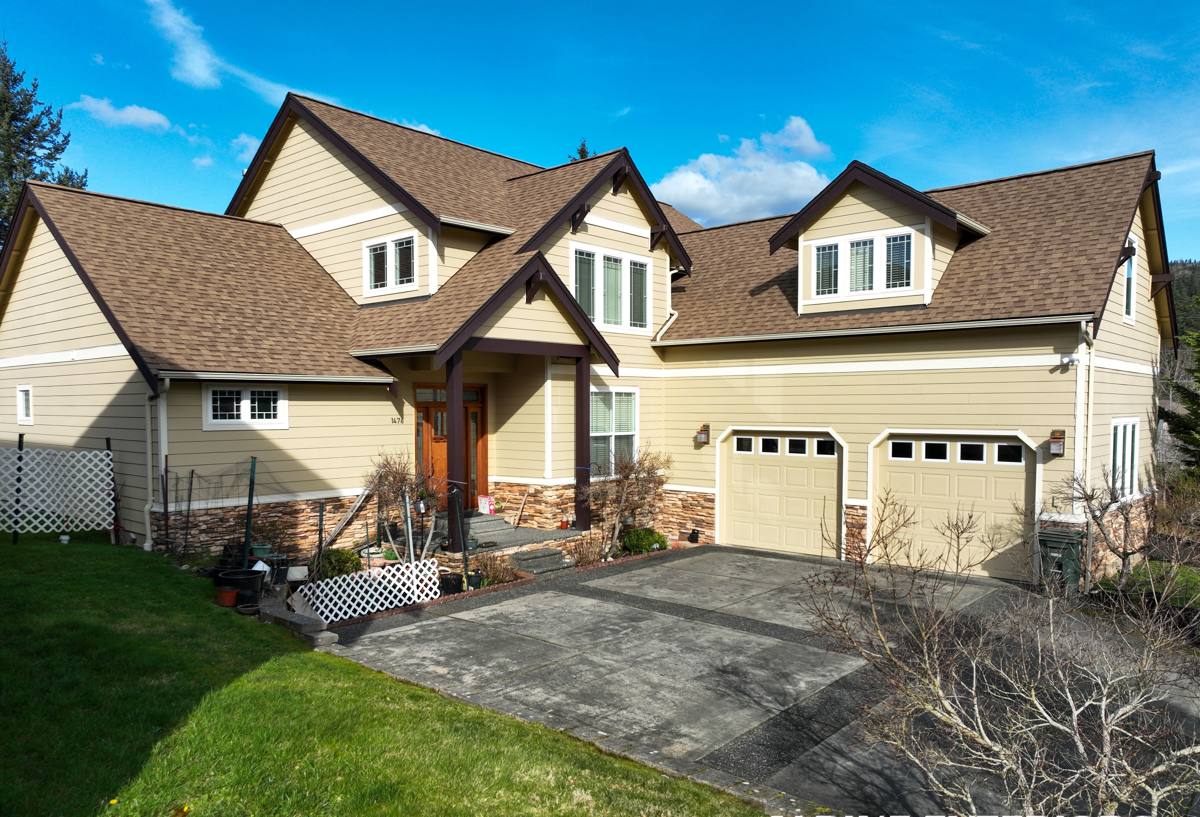
What Pinellas County's Climate Does to Exterior Siding
St. Petersburg sits on a peninsula, which means every home here is dealing with weather stress from more than one direction at once. Siding doesn't fail from one dramatic event — it fails from years of compounding exposure.
Hurricane-Force Wind
Pinellas County's wind zone requirements exist because they have to. Siding that isn't rated, fastened, and detailed for high-wind exposure can lift, crack at the fastener line, or blow off entirely in a strong tropical system — and once a section fails, wind-driven rain gets behind the wall assembly, which is a bigger problem than the missing siding itself.
Intense, Year-Round UV
Florida doesn't get a UV off-season. Painted wood and lower-grade composite siding chalk, fade, and lose adhesion faster here than almost anywhere else in the country, which means repainting cycles come around constantly on homes with the wrong siding choice.
Wind-Driven Rain
Rain in St. Petersburg rarely falls straight down. Storms push moisture sideways into wall assemblies, seams, and trim joints. Siding systems that rely on caulk alone, or that lack proper drainage behind the panel, let water find its way to the sheathing over time — usually invisibly, until there's a soft spot or a stain.
Salt Air Corrosion
Being close to Tampa Bay and the Gulf means airborne salt is a constant, low-grade factor even well inland from the immediate coastline. Salt air accelerates corrosion of fasteners and trim hardware and degrades certain finishes faster than inland climates ever would.
What We Typically Find on Older Disston Heights Homes
Because so much of the neighborhood was built and re-sided before modern wind-rated products and installation standards, a first inspection often turns up more than the homeowner expected:
- Original wood or early composite siding that has absorbed moisture at seams and butt joints for years
- Older aluminum or vinyl siding with brittle, sun-damaged panels that no longer lock together securely
- Fastener patterns that don't meet current wind-load expectations for the area
- Missing or deteriorated house wrap and flashing behind the existing siding
- Soft or delaminated sheathing at corners, window returns, and the bottom courses closest to grade
None of that is unusual for a neighborhood this age — it's simply what decades of Gulf coast exposure does. The point of a proper inspection before installation is finding it now, not after new siding goes over it.
What a Correct Siding Installation Actually Involves
Siding is a system, not a product. A quality install in this climate depends on what's underneath the panel as much as the panel itself.
Substrate and Moisture Management
Before any new siding goes up, the sheathing has to be sound, and a weather-resistive barrier has to be installed continuously and lapped correctly — top over bottom, properly sealed at every penetration. This is the layer that actually keeps wind-driven rain out of the wall if water ever gets past the siding itself, and it's the step that's easiest to shortcut and hardest to inspect once the job is finished.
Fastening for Wind Resistance
Fastener type, spacing, and placement all have to match the wind exposure category for the site, not a generic national minimum. This means correct nail or screw gauge, correct embedment, and fastening into structural framing rather than sheathing alone wherever the product calls for it.
Flashing and Trim Detail
Windows, doors, corners, and roof-to-wall transitions are where almost every siding failure actually starts. Proper head flashing, kick-out flashing at roof lines, and sealed trim joints are what keep those transition points dry through years of wind-driven rain.
Clearances and Drainage
Siding installed too close to grade, roof lines, or hardscape traps moisture against the bottom edge of the wall. Correct clearances and a functioning drainage plane behind the panel let any incidental moisture escape instead of sitting against the wall assembly.
Our Installation Process
- Inspection and assessment — we evaluate the existing siding, sheathing condition, and any trouble spots at windows, corners, and roof transitions before quoting anything.
- Tear-off and substrate repair — old siding and any compromised house wrap comes off, and any soft or damaged sheathing is repaired or replaced before we move forward.
- Weather barrier installation — a continuous, correctly lapped and sealed weather-resistive barrier goes on the entire wall surface.
- Flashing at every penetration — windows, doors, vents, and roof-to-wall intersections all get proper flashing before the siding covers them.
- Siding installation to manufacturer and wind-zone spec — panels, fasteners, and spacing follow James Hardie's published installation instructions and the wind requirements for the property's location.
- Trim, caulking, and finish detail — joints, corners, and transitions are sealed and finished so the whole system sheds water the way it's designed to.
- Final walkthrough — we go through the completed job with the homeowner before calling it done.
Why We Install Only James Hardie Fiber Cement
We don't install vinyl, LP SmartSide, or other fiber cement or composite alternatives, and it's a deliberate standard, not a limitation of what we're capable of installing. In a climate that combines hurricane wind exposure, constant UV, wind-driven rain, and salt air, the trade-offs of those other products — moisture sensitivity at cut edges, UV-driven fading or chalking, more limited wind performance in some product lines — are trade-offs we'd rather not put on a customer's home.
James Hardie fiber cement is non-combustible, holds up to UV without the fading issues that plague painted composites in Florida, and is manufactured in climate-specific HZ product lines engineered for exactly this kind of high-moisture, high-heat exposure. The factory-applied ColorPlus finish is baked on and warranted against fading and peeling in a way field-applied paint can't match here. Combined with correct installation, it's the product we're comfortable standing behind on a Gulf coast home.
Cost Factors for a Disston Heights Siding Project
| Factor | Why It Matters Here |
|---|---|
| Home size and wall complexity | More corners, dormers, and window returns mean more flashing and trim detail work |
| Condition of existing sheathing | Older Disston Heights homes sometimes need sheathing repair before new siding can go on correctly |
| Siding profile chosen | Lap width, texture, and trim style affect material cost and labor time |
| Removal and disposal of old siding | Full tear-off of aging wood, aluminum, or vinyl adds labor beyond a simple overlay |
| Access and site conditions | Mature landscaping, tight lot lines, or two-story sections affect staging and labor |
We don't quote by square footage over the phone — every one of these factors changes the real number, and an accurate quote requires an actual look at the house.
Why It Matters That a Crew Already Works This Neighborhood
A contractor who regularly works in Disston Heights and the rest of St. Petersburg already knows the local permitting process, the wind-zone requirements Pinellas County enforces, and the kind of substrate condition to expect on homes of this age. That familiarity shows up in fewer surprises mid-project, fewer permit delays, and a crew that already knows what proper flashing and clearance details look like for this specific climate rather than applying a generic national install standard to a Gulf coast home.
Questions to Ask Before You Hire a Siding Contractor
- Are you licensed and insured to work in Pinellas County, and can you provide proof?
- Will you inspect and repair sheathing before installing new siding, or install over existing conditions?
- What weather-resistive barrier and flashing details do you use, and are they part of the written scope?
- Is the fastening pattern matched to this property's wind exposure, not just a generic minimum?
- What warranty covers the material, and what warranty covers your installation labor separately?
- Can you walk me through your process before, during, and after installation?
If a contractor can't give straight answers to these, that's worth noticing before signing anything.
Get a Straight Answer on Your Disston Heights Home
If your siding is original to the house, showing UV wear, or you're just not sure what condition it's actually in underneath, we're glad to take a look and give you an honest assessment — no pressure, no obligation. Fill out the form below for a free estimate.