 St. Petersburg Siding
 Why Roofs in Seminole Wear Out Faster Than the Manufacturer's Warranty Suggests
Every asphalt shingle bag and every metal panel sample comes with a lifespan number printed on it. Those numbers assume a moderate climate — not the one Seminole homes actually sit in. Between hurricane-force wind gusts, sun that beats down nearly year-round, wind-driven rain that finds its way under poorly lapped flashing, and salt air drifting in off the Gulf and Tampa Bay, a roof here works harder every single day than the lab tests it was rated against. That's not a scare tactic, it's just the reality of building on the Pinellas County peninsula, and it's why a roof replacement done for a Seminole home needs to be specified differently than the same job done inland.
UV breaks down asphalt oils and degrades sealants faster in full Florida sun. Wind uplift tests fasteners, nailing patterns, and starter courses at the eaves and rakes long before the shingles themselves fail. Wind-driven rain punishes any flashing detail that was installed "close enough" instead of correctly. And salt-laden air accelerates corrosion on any exposed metal — nails, flashing, vents — that isn't rated for a coastal environment. A correct roof replacement plans for all four of these stresses at once, not just one.
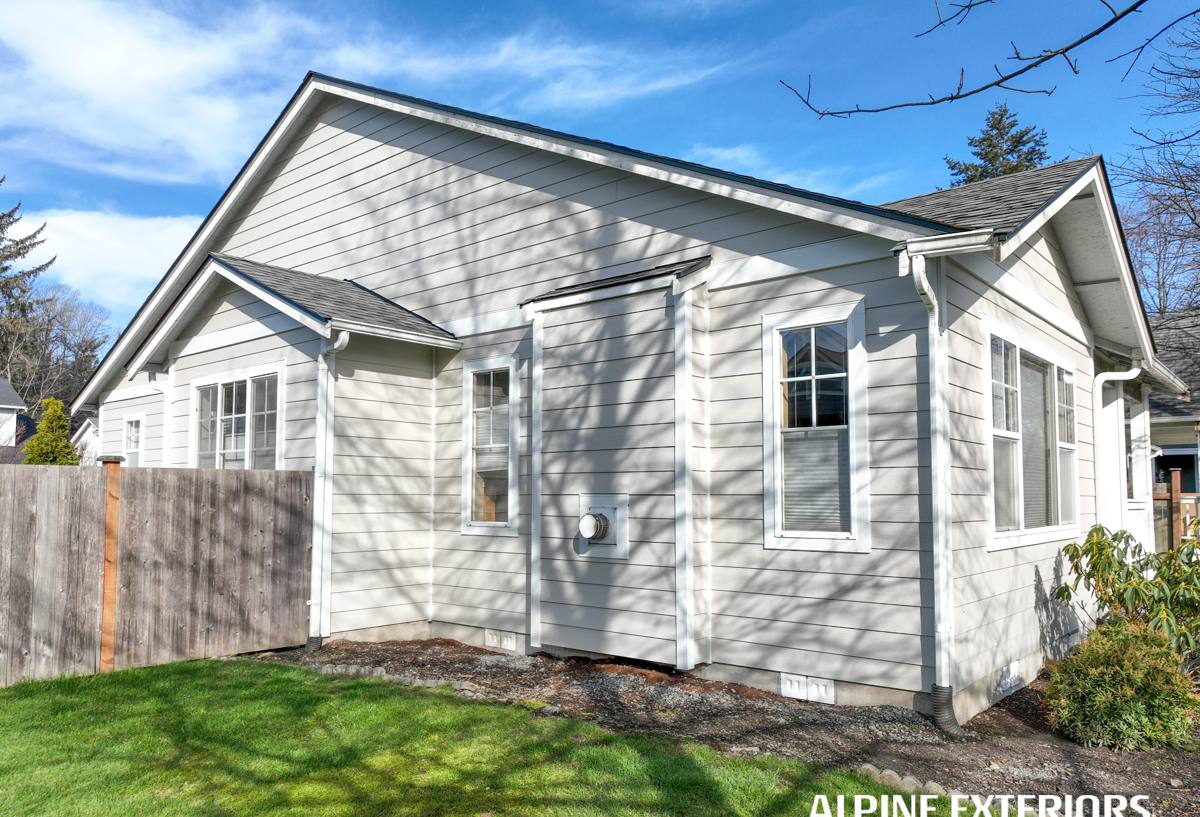
What a Correct Roof Replacement Actually Involves
A roof replacement is not just stripping off old shingles and nailing down new ones. Done right, it's a rebuild of the entire roofing system, and every layer matters.
Full Tear-Off and Deck Inspection
We remove existing roofing down to the decking, because that's the only way to actually see what's underneath. Soft spots, delaminated plywood, or nail sizing that doesn't meet current wind-load standards all get found and corrected at this stage — not discovered later as a leak. Skipping this step and roofing over an existing layer is common on lower-bid jobs, and it's the single biggest reason a "new" roof underperforms.
Underlayment and Water Barrier
Florida Building Code requires a secondary water barrier for a reason: wind-driven rain during a tropical system can drive water sideways and under shingles that are otherwise intact. A properly lapped, sealed underlayment is what keeps that water out of the living space even if the primary roof covering takes damage.
Flashing at Every Penetration
Chimneys, skylights, pipe boots, valleys, and wall transitions are where the overwhelming majority of roof leaks start — almost never in the open field of shingles. Correctly formed and sealed flashing at each of these points is what separates a roof that holds up through storm season from one that doesn't.
Ventilation and Moisture Control
Florida attics run hot, and hot, poorly ventilated attics shorten shingle life from underneath while trapping the humidity that feeds mold and rot in the decking. Balanced intake and exhaust ventilation isn't a cosmetic detail — it's part of what makes the whole system last in this climate.
Wind-Rated Installation
Pinellas County sits in one of Florida's higher wind-speed design zones under the Florida Building Code, and the fastening pattern, nail type, and starter strip installation all have to match that standard — not the minimum spec printed on the shingle wrapper. This is inspected and permitted work, not a step to shortcut.
Choosing the Right Roofing Material for a Seminole Home
There isn't one "best" roofing material for every home — it depends on your roof's pitch, your budget, and how much long-term maintenance you're willing to take on. Here's how the common options actually compare for a coastal Pinellas County climate.
| Material | Wind Performance | Heat/UV Resistance | Maintenance | Typical Lifespan | Relative Upfront Cost |
|---|---|---|---|---|---|
| Architectural Asphalt Shingles | Good, with proper nailing and rated shingle | Moderate — granule loss over time | Low | 20–30 years | Low–Moderate |
| Standing Seam Metal | Excellent | Excellent — reflects heat well | Very low | 40–50+ years | Moderate–High |
| Concrete/Clay Tile | Very good when properly fastened | Excellent | Moderate — occasional tile replacement | 40–50+ years | High |
Asphalt shingles remain the most common choice because they balance cost and performance well for most homes, provided they're a wind-rated product installed to the manufacturer's high-wind fastening pattern — not the standard pattern. Metal and tile cost more up front but ask less of you over the decades that follow, which matters if you plan to stay in the home long-term. We'll walk through the honest trade-offs for your specific roof rather than push whichever product happens to be easiest to install.
Our Roof Replacement Process
- Inspection and estimate — we assess the current roof, decking condition, ventilation, and flashing points, and give you a written, itemized estimate.
- Material selection — we go over the honest pros and cons of each option for your roof's pitch and your budget.
- Permitting — we pull the required permit through the local building department; this isn't optional, and it protects you if there's ever an insurance claim.
- Tear-off and deck repair — full removal of old roofing, with any damaged decking replaced before anything new goes down.
- Underlayment, flashing, and ventilation installation — the layers that actually keep water out, installed to code, not just to the minimum.
- Roof covering installation — shingles, metal, or tile installed to the wind-rated fastening pattern for our zone.
- Final inspection and cleanup — magnetic sweep for stray fasteners, full job-site cleanup, and a final walkthrough with you before we consider the job done.
Signs Your Seminole Roof Needs Replacing, Not Another Patch
Not every roof problem calls for full replacement — but ignoring the signs below usually turns a manageable repair into a much bigger, more expensive one.
- Shingles that are curling, cupping, or losing granules in large patches rather than isolated spots
- Daylight visible through the roof deck from inside the attic
- Soft or spongy spots when walking the roof, or sagging visible from the ground
- Repeated leaks around the same penetration despite prior repairs
- A roof approaching or past 20–25 years old, especially if it's never had a wind mitigation inspection
- Visible storm damage after a significant wind event — missing shingles, lifted flashing, or exposed underlayment
- Granules consistently collecting in gutters, a sign the shingle surface is breaking down
How Your Roof and Siding Work Together as One Storm Shield
As a contractor that works on both siding and roofing, we see how often problems in one system start showing up in the other. Wind-driven rain that gets past a compromised roof edge or flashing detail doesn't stop at the attic — it tracks down behind fascia and siding, showing up later as staining, soft trim, or a musty smell nowhere near the actual leak point. A roof replacement is a good time to have your fascia, soffits, and the siding-to-roofline transition checked too, since a new roof installed over deteriorated trim just hides the problem instead of fixing it. Treating the roof and the exterior envelope as one connected system, rather than two separate jobs, is how you actually stop water intrusion for good.
What Actually Drives Roof Replacement Cost
We don't quote prices without seeing the roof, because the honest range for a full replacement depends on several factors that vary a lot from home to home. What we can tell you is what moves the number, so an estimate makes sense when you get one.
| Factor | Why It Matters |
|---|---|
| Roof size and complexity | More squares, more valleys, and more penetrations all mean more labor and material |
| Roof pitch | Steeper roofs take longer and require different safety measures |
| Decking condition | Rotted or delaminated plywood found during tear-off adds material and labor to replace |
| Number of existing layers | Multiple old layers cost more to remove and haul away than a single layer |
| Material choice | Asphalt, metal, and tile carry very different material and labor costs |
| Permit and code requirements | Wind-rated fastening and secondary water barriers are required, not optional add-ons |
Why It Matters to Hire a Crew That Already Works in Seminole
A roofing crew that regularly works in Pinellas County knows the local permitting process, knows what the building department inspectors actually look for at final inspection, and understands how wind mitigation inspections tie into your homeowners insurance premium. That local familiarity isn't a nice-to-have — it's what keeps your project from stalling on a permit issue or failing an inspection over a detail an out-of-town crew wouldn't have thought to check. It also means we're still here next storm season if you ever need us, not a name from out of the area that did one job and moved on.
If you're weighing a repair against a full replacement, or just want a straight answer on where your current roof stands, we're happy to take a look. Reach out for a free, no-pressure estimate using the form below.