 St. Petersburg Siding
 New-Construction Windows in Pinellas Point: What's Different Here
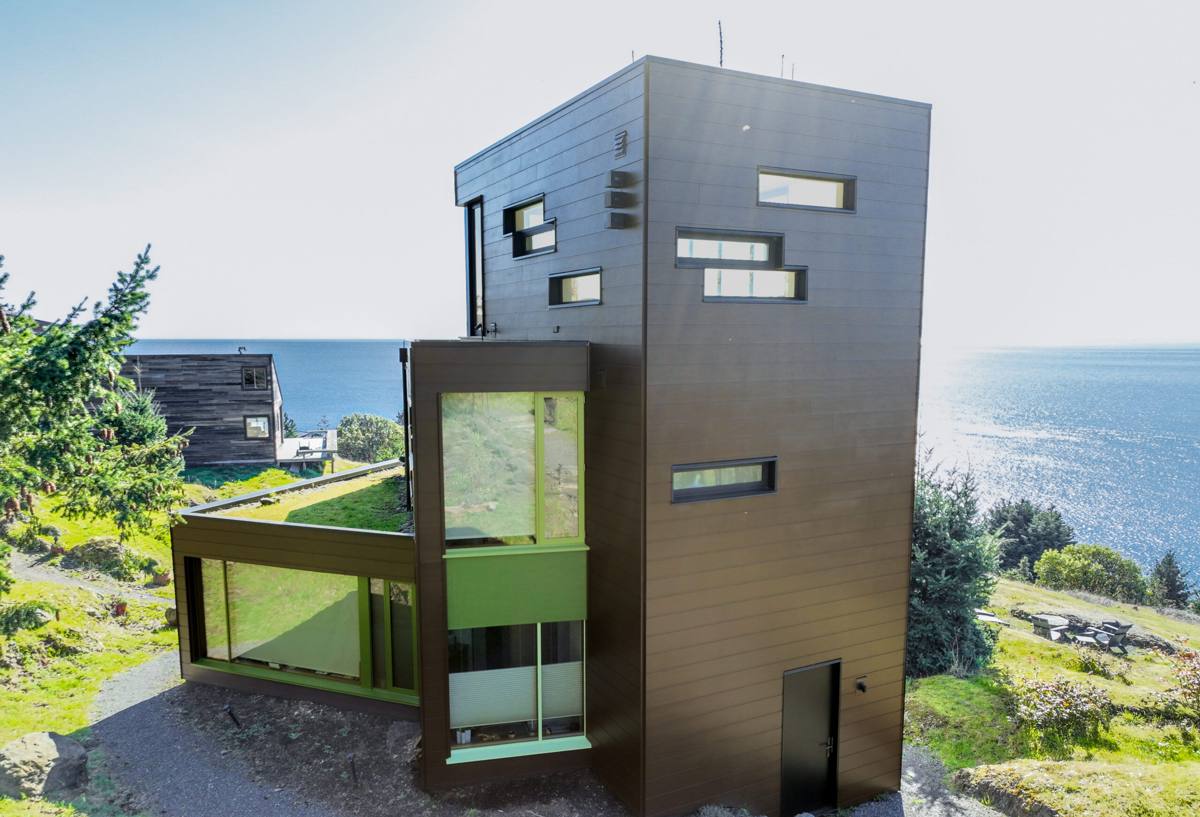
Pinellas Point sits on the peninsula at the southern tip of St. Petersburg, with water on multiple sides and open exposure that most inland Pinellas County neighborhoods don't deal with. That location is part of why people live here, but it's also why windows fail faster on this stretch of the peninsula than they do a few miles north. Salt-laden air corrodes hardware and fasteners, constant UV breaks down seals and vinyl, and this part of the bay is directly in the path of wind-driven rain during tropical systems and summer storms alike. New-construction windows — the kind installed with a nailing fin into a framed rough opening, not a retrofit frame slipped into an existing pocket — are the right approach for new builds, additions, and full-wall replacements where the opening is being rebuilt anyway. Done right, they integrate with the wall's water-resistive barrier and structural framing in a way retrofit windows simply can't match.
What the Local Climate Actually Does to a Window Installation
It's worth being specific about the forces at work in this neighborhood, because they drive every decision that follows.
Salt air and corrosion
Aluminum and steel hardware — screws, hinges, balance systems, even some frame reinforcement — corrode faster near open water. On Pinellas Point that means fasteners and components rated for coastal exposure aren't optional upgrades, they're the baseline. Standard-grade fasteners can start showing rust streaks and stiff operation within a few years in this location, well before an inland home would see the same wear.
Year-round UV load
Florida sun is intense for most of the year, and windows facing south and west take the worst of it. UV breaks down cheap vinyl formulations, dries out inferior sealants, and fades interior finishes near the glass. Glass packages and frame materials both need to be chosen with that constant exposure in mind, not just the occasional hot week.
Wind-driven rain and hurricane-force wind
The bigger structural issue is wind. A window opening isn't just tested for how hard air can push on the glass — it has to keep water out when rain is being driven sideways at speed, and it has to stay in the wall when the whole structure is under uplift and racking loads during a hurricane. That's a flashing and attachment problem as much as a product problem, and it's where a lot of installations quietly fail even when the window itself is a good one.
New-Construction vs. Retrofit: Why the Distinction Matters
Homeowners often use "new windows" and "new-construction windows" interchangeably, but they're different products installed different ways. The right choice depends on whether the wall opening is being rebuilt or not.
| Factor | New-Construction Window | Retrofit / Insert Window |
|---|---|---|
| How it attaches | Nailing fin fastens to the framed opening, then gets flashed into the wall's water barrier | Fits inside the existing frame; existing exterior trim usually stays in place |
| Best used when | New build, addition, or the wall is already open for other work | Existing home, opening and exterior finish staying intact |
| Water management | Full flashing integration with the wall assembly — the strongest approach for wind-driven rain | Relies on the condition of the existing frame and sealant joints |
| Disruption | More invasive — involves the exterior wall finish, not just the window opening | Faster, less disruptive to siding or stucco around the opening |
On Pinellas Point, we lean toward new-construction windows whenever a wall is open for siding work, an addition, or storm-damage repair, because the flashing integration gives the wall assembly its best shot at staying dry through wind-driven rain. When the wall isn't being opened up, a well-installed retrofit window is a legitimate option — but that's a different job with different tradeoffs, and it's worth being honest with a homeowner about which one their project actually calls for.
What a Correct New-Construction Install Actually Involves
The window itself is only part of the job. Most window failures we get called out to fix in this area trace back to the installation, not the product.
Rough opening preparation
The opening has to be square, correctly sized, and structurally sound before a window ever goes in. Sill pans are set to direct any water that does get past the window back out to the exterior rather than into the wall cavity.
Flashing sequence
Flashing tape and the water-resistive barrier get layered in a specific order — sill, jambs, then head — so that water always sheds downward and outward, shingle-style, the same way roofing works. Skipping or reversing this order is one of the most common causes of hidden water intrusion, and it's invisible from the outside once trim and siding go back on.
Fastening and attachment
The nailing fin gets fastened per the manufacturer's approved pattern, with corrosion-resistant fasteners appropriate for coastal exposure. This is where salt air makes a real difference — the wrong fastener here is a callback waiting to happen.
Sealant and backer rod
Exterior sealant joints are backed and tooled correctly, using a sealant rated for sustained UV exposure and joint movement, not a general-purpose caulk that will crack and shrink within a season or two of Florida sun.
Interior finish and insulation
The gap between the rough opening and the window frame gets insulated (never packed tight enough to bow the frame) and finished so the unit operates smoothly for its service life.
Choosing Frame Material and Glass for This Location
Every frame material has legitimate uses and real tradeoffs. Our standard for near-water St. Petersburg locations like Pinellas Point favors materials and hardware that hold up to salt air and UV without high maintenance demands.
| Frame Material | Strengths | Watch-outs Near Salt Air |
|---|---|---|
| Vinyl (impact-rated) | No corrosion, good insulating value, low maintenance | Lower-grade formulations can chalk or discolor under sustained UV — spec a UV-stabilized product |
| Aluminum | Strong, slim sightlines, common in Florida construction | Needs a marine-grade finish and stainless or coated fasteners to resist corrosion this close to the bay |
| Fiberglass/composite | Very stable in heat, resists warping, low maintenance | Higher upfront cost, but generally the least maintenance-sensitive option here |
| Wood / wood-clad | Traditional appearance | Highest maintenance burden in salt air and humidity; we generally steer clients away from unclad wood on exposed elevations |
On the glass side, a laminated impact-rated glass package does double duty in this neighborhood — it satisfies the wind-borne debris requirement for the wind zone, and the laminate interlayer also cuts down on UV transmission and noise. We spec Low-E coatings tuned for Florida's cooling-dominated climate, which matters more here than in a heating-dominated market up north.
Meeting Pinellas County Code Requirements
New-construction windows installed in St. Petersburg have to meet Florida Building Code wind-load and impact requirements for the specific wind zone the home sits in, and Pinellas County enforces its own permitting and inspection process on top of that. Every window we install carries the manufacturer's Florida product approval documentation matched to the design pressure required for that wall and elevation — not a generic "hurricane-rated" label. We handle the permit application, schedule the required inspections, and make sure the paperwork the county wants is in hand before we close up a wall. Skipping that step, or installing a window that isn't actually approved for the pressures on that elevation, is how homeowners end up with insurance and resale problems years later that have nothing to do with how the window looks.
Our Process, Start to Finish
- On-site assessment — we measure openings, check wind zone and elevation exposure, and look at the existing wall assembly if this is a renovation.
- Product and glass selection — we walk through frame material, glass package, and design pressure rating against your budget and the home's exposure.
- Permitting — we pull the required Pinellas County permit and confirm product approval documentation for each opening.
- Rough opening prep and flashing — sill pans, flashing sequence, and water-resistive barrier integration done before the window is ever set.
- Window installation — set, shimmed level and plumb, fastened per the approved pattern, sealed.
- Interior and exterior finish — insulation, interior trim, exterior sealant and trim work to match the surrounding wall.
- Final inspection and walkthrough — county inspection scheduled and passed, then a walkthrough with you to confirm operation and appearance.
Checklist: Questions Worth Asking Before You Sign
- What is the window's Florida product approval (NOA/FL number), and does it match the design pressure required for this specific wall and elevation?
- What fastener type will be used at the nailing fin, and is it rated for coastal/salt-air exposure?
- What's the flashing sequence, and will it be documented or photographed before it's covered up?
- Is the sealant being used rated for sustained UV exposure, not a general-purpose caulk?
- Who is pulling the permit, and who is responsible for scheduling the county inspection?
- What does the warranty actually cover — glass seal failure, hardware, labor — and for how long?
Why Local Experience on Pinellas Point Matters
A crew that hasn't worked this specific stretch of St. Petersburg can still install a window correctly in a general sense and still get the details wrong for this location — the wrong fastener grade for salt exposure, a sealant that wasn't chosen for this level of UV, or a design pressure rating that's technically code-compliant somewhere else in the county but wrong for an open, water-facing elevation on the peninsula. Working this neighborhood regularly means knowing which elevations take the worst of the wind-driven rain, which product lines actually hold up here versus on paper, and how Pinellas County's inspectors expect the paperwork and flashing documented. That familiarity shows up less in what a homeowner sees on move-in day and more in how the windows perform five and ten hurricane seasons from now.
Living With New-Construction Windows Here
Even a correctly installed window benefits from basic upkeep in this environment. Rinsing salt residue off frames and glass periodically, keeping weep holes clear of debris and sand, and having exterior sealant joints inspected every few years go a long way toward getting the full service life out of the investment. If a storm does bring wind-driven rain against the house, checking sills and interior trim for any sign of moisture afterward is a good habit — catching a small flashing issue early is a much smaller job than dealing with hidden wall damage later.
If you're planning new-construction windows for a home in Pinellas Point — whether it's new construction, an addition, or a full window replacement tied to other exterior work — we're glad to walk the property, look at exposure and wind zone requirements specific to your address, and put together a straightforward estimate. There's no pressure and no obligation; the form below gets you started.