 St. Petersburg Siding
 Old Northeast Homes Face a Tougher Climate Than Most Siding Is Built For
Old Northeast is one of St. Petersburg's older, established neighborhoods, and that comes with a mix of home styles — bungalows, Mediterranean Revivals, colonials, and mid-century additions sitting close together under a mature tree canopy just blocks from Tampa Bay. That proximity to the water is exactly why exterior materials here take more abuse than they would a few miles inland. Salt-laden air moves through the neighborhood constantly, humidity stays high most of the year, afternoon thunderstorms drive rain sideways into walls, and the sun is intense enough, year-round, to break down pigments and coatings that were never engineered for it.
Add hurricane season into that mix and you get a climate that is genuinely hard on a home's exterior. Wind-driven rain finds every gap in flashing and trim. Sustained coastal winds put real load on siding panels and fasteners. None of this is unique to Old Northeast, but the combination of an older housing stock, dense tree cover, and a barrier-adjacent location means the siding choice matters more here than it does in a lot of places.
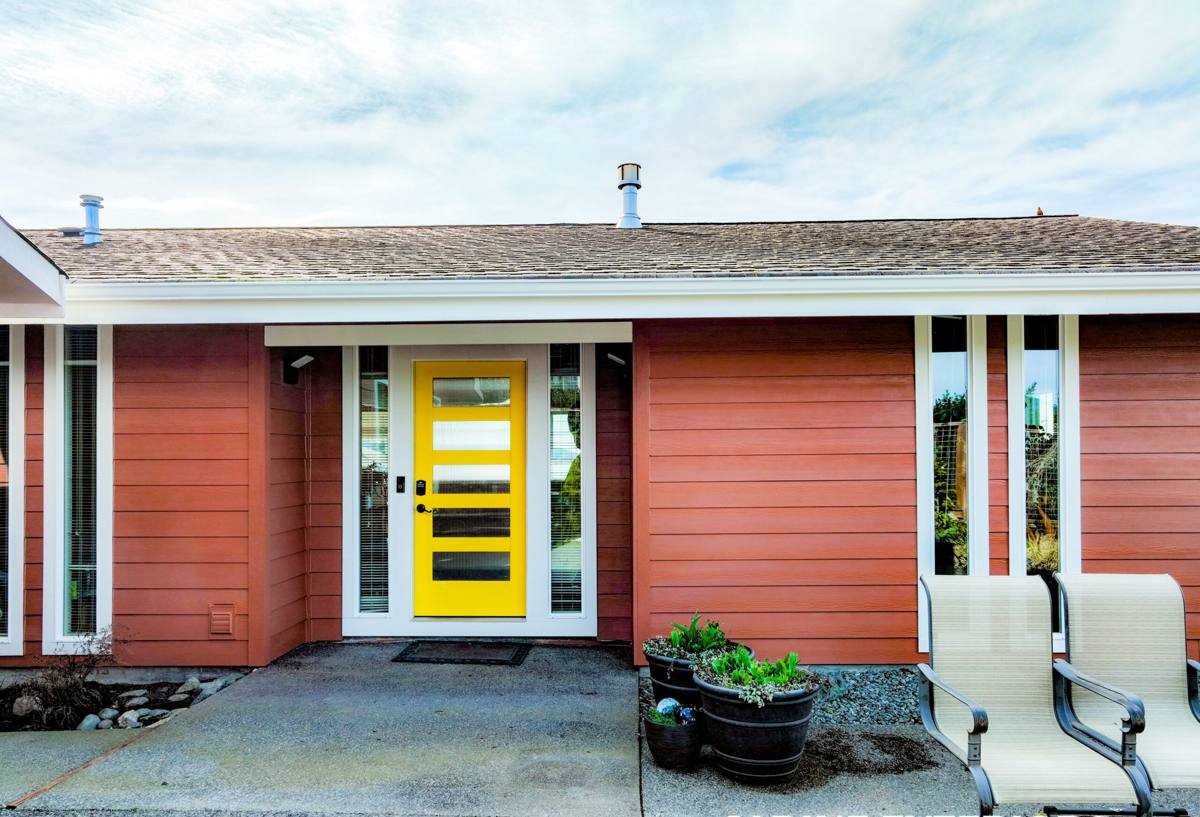
Why James Hardie Is the Right Fit for This Neighborhood
We install James Hardie fiber cement siding exclusively — not as a sales preference, but because it's the product that holds up to what this specific climate does to a home. Fiber cement is dimensionally stable in humidity swings, doesn't feed pests or rot the way wood-based products can, and is non-combustible, which matters given how close some Old Northeast lots sit to their neighbors. The factory-applied ColorPlus finish is baked on and UV-cured, which is a meaningfully different process than a field-applied paint job — it's built to resist the fading and chalking that Florida sun causes on standard painted siding within a handful of years.
For a neighborhood with a lot of architectural character, Hardie also gives you options that respect that character instead of flattening it: lap siding profiles that mimic traditional wood clapboard, shingle panels for gable accents, and trim that can match the datum lines and reveal older homes were originally built with. You don't have to sacrifice the look of the house to get a modern moisture and wind envelope.
The HZ5 Distinction
James Hardie makes climate-specific formulations called HZ (HardieZone) products, and Pinellas County falls in the HZ5 zone — the version engineered for high-humidity, high-moisture-exposure regions. HZ5 panels are formulated to resist moisture-related issues that generic fiber cement, or a product engineered for a drier climate, would be more vulnerable to over time. This is one of the clearest reasons a national "one-size" siding line is the wrong call on a house three miles from the bay — the product should match the zone, not just the budget.
What a Correct Installation Actually Involves
Fiber cement siding fails prematurely almost exclusively because of installation mistakes, not the product itself. This is true everywhere, but it's especially true in a coastal, wind-driven-rain climate where any gap in the moisture management system gets tested constantly. A correct install on an Old Northeast home includes:
- A code-compliant water-resistive barrier installed behind the siding, lapped correctly so water sheds outward and down, never inward
- Proper flashing at every window, door, and roof-to-wall intersection — the single most common failure point on older homes that get re-sided without addressing it
- Correct fastener type, spacing, and penetration depth per Hardie's published specs, which change based on wind zone and substrate
- Minimum clearance gaps at grade, roof lines, decks, and porches so panels aren't sitting in standing moisture
- Field-cut edges sealed and back-primed per manufacturer instructions, especially at corners and butt joints
- Caulking and sealant only where Hardie's install guide actually calls for it — over-caulking traps moisture just as badly as under-caulking
Every one of those steps is spelled out in James Hardie's installation manual, and skipping any of them is what voids the manufacturer's warranty — not the product aging normally. A crew that treats the install manual as a formality is the single biggest risk to a Hardie job, regardless of how good the material is.
What Existing Substrate You Have Changes the Job
Older Old Northeast homes were built on a range of original substrates — some wood-frame with wood lap siding, some with additions or repairs done in different decades. Before any Hardie panel goes up, that substrate needs to be assessed: is it sound framing that just needs a proper WRB and furring where required, or is there rot, old moisture damage, or settling that needs to be corrected first? Installing new siding over a compromised substrate just hides the problem instead of solving it, and it's the fastest way to get callbacks a few years down the road.
Comparing What Older Siding Systems Are Actually Doing Here
| Material commonly found on older homes | How it behaves in this climate | What Hardie changes |
|---|---|---|
| Original wood lap siding | Absorbs moisture, prone to rot and insect damage in humid coastal air, needs repainting every few years | Non-combustible, moisture- and pest-resistant fiber cement with a 30-year factory finish warranty* |
| Vinyl siding (added in later decades) | Softens and warps in intense sun, can crack in wind gusts, seams open over time | Rigid, engineered panel system rated for high-wind zones with concealed, sealed fastening |
| Stucco with hairline cracking | Cracks let wind-driven rain behind the surface, hard to patch invisibly | Lap and panel systems with proper flashing details that manage water at the seams, not just the surface |
| Field-painted fiber cement (non-Hardie or non-ColorPlus) | Coating fades and chalks under UV, repaint cycle every 5-8 years | Factory-baked ColorPlus finish engineered for UV and coastal exposure* |
*Warranty terms vary by product line — we'll walk through the specifics that apply to your home during your estimate.
Our Process for Old Northeast Projects
Because we work in this neighborhood regularly, we already understand the things that generic contractors have to figure out on the fly: tight lot lines that affect staging and access, mature trees close to the house that need to be worked around and protected, and the mix of architectural details — gable returns, porch columns, decorative trim — that show up on homes here more than in newer subdivisions. Our process is the same on every job, but it accounts for those realities:
- On-site assessment of the current siding, substrate condition, and any moisture or rot issues before we quote anything
- A detailed scope that specifies the Hardie product line, profile, and finish, plus the flashing and WRB details for your specific home
- Proper substrate repair before a single new panel goes up, if repair is needed
- Installation to James Hardie's published specifications — not "close enough," because that's what keeps the manufacturer's warranty valid
- A final walkthrough where we go over what was done, what to expect, and how to maintain it
We don't install LP SmartSide, vinyl, or other fiber cement brands — not because those products have no merit, but because we've made a professional decision to specialize in one system, install it correctly every time, and stand behind it. That focus is part of why the work holds up.
Living With Hardie Siding in a Salt-Air Climate
Fiber cement is low-maintenance, not zero-maintenance, and that distinction matters more this close to the water. Salt residue and airborne grime build up on any exterior surface here — a periodic rinse-down keeps the ColorPlus finish looking like it did on day one and prevents buildup from masking early signs of a caulking or flashing issue. Beyond that, an annual walk-around checking caulking at trim and penetrations, and keeping gutters clear so water isn't overflowing directly onto siding, is really all the upkeep this system asks for.
A Simple Homeowner Checklist
- Rinse siding a few times a year to remove salt residue and airborne dust
- Walk the exterior after major storms and check for cracked or missing caulking at trim and joints
- Keep shrubs and irrigation heads from spraying directly onto siding long-term
- Make sure gutters and downspouts are directing water away from the foundation and walls
- Address any small caulking or flashing gaps early — they're a five-minute fix before a storm, not after
What This Costs and What Drives the Range
Every Old Northeast home is different — lot size, architectural detail, how much of the existing substrate needs repair, and the specific Hardie products and trim package all move the number. Rather than quote a figure that doesn't mean anything until we've seen your house, we'll walk your property, look at what's actually going on with the current siding, and give you a written scope with real numbers attached. There's no pressure and no obligation attached to that visit.
If you're weighing a re-side in Old Northeast — whether you're dealing with aging original siding, storm damage, or just want a system built for what this climate actually does to a house — we're happy to come take a look and talk through it honestly. Reach out for a free, no-pressure estimate using the form below.