 St. Petersburg Siding
 Siding That Respects an Older Home's Character — and Actually Survives Here
Historic Kenwood is one of St. Petersburg's older, architecturally distinct neighborhoods, and homes there carry details you don't see in newer subdivisions: deep eaves, decorative trim, varied wall planes, and in many cases original wood siding or cladding that's been patched and repainted for decades. Replacing siding on a home like this isn't a stock, one-size-fits-all job. It has to work with the house's existing lines and proportions while solving a much more practical problem — keeping Pinellas County's climate from destroying it again in ten years.
We install James Hardie fiber cement siding exclusively. Not vinyl, not LP SmartSide, not primed wood. On a neighborhood full of character homes exposed to Gulf Coast weather, that's not a marketing preference — it's the product we trust to hold paint, hold its shape, and hold up to what St. Petersburg throws at a house year after year.
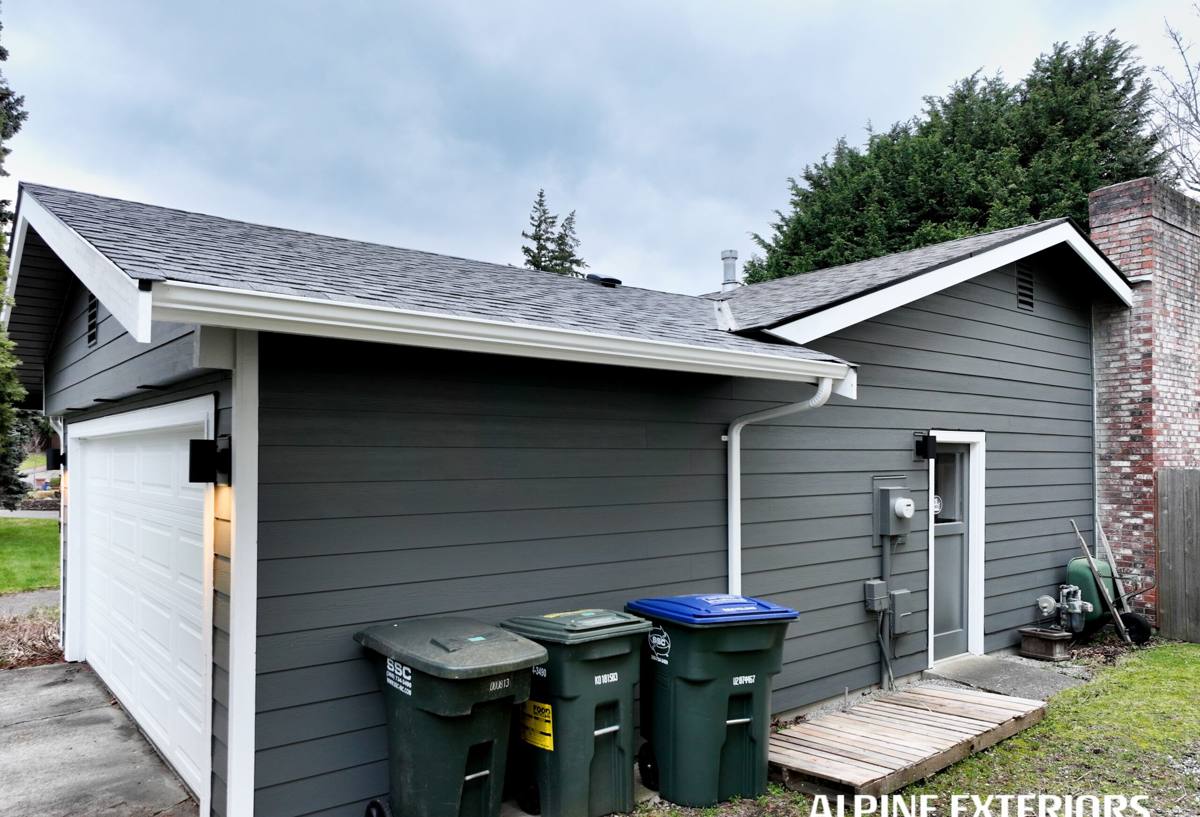
What St. Petersburg's Climate Does to Siding
Homes in Historic Kenwood sit close enough to the water and deep enough into Florida's weather patterns that siding here works harder than siding almost anywhere else in the country. A few specific stresses matter most:
- Hurricane-force wind: Tropical systems and seasonal storms push wind loads that lesser siding materials can flex under, crack from, or lose fasteners to.
- Wind-driven rain: St. Petersburg storms don't just rain down, they drive rain sideways into wall assemblies. Siding, flashing, and house wrap all have to work together or water finds a way behind the cladding.
- Intense, near-constant UV: Florida sun is harsher and more consistent than most of the country sees. Paint chalks, fades, and fails faster here than in almost any other climate zone in the U.S.
- Salt air: Even several miles inland, Pinellas County homes pick up airborne salt that accelerates corrosion on fasteners and trim and degrades lesser coatings over time.
- Humidity and moisture cycling: Constant humidity means anything that absorbs water — bare wood, damaged composite panels — stays damp longer, which is exactly what invites rot and pest damage.
An older Kenwood home that's been through thirty, fifty, or more Florida summers has usually already shown you what happens when siding isn't built for this environment: peeling paint, soft spots at trim joints, warped boards, or siding that was patched instead of properly replaced.
Why We Only Install James Hardie Here
Fiber cement is a mix of cement, sand, and cellulose fibers, and it behaves fundamentally differently from wood or vinyl in this climate. It doesn't absorb water the way wood does, so it doesn't rot, swell, or feed pests. It doesn't soften or distort in heat the way vinyl can, so it holds its shape through hot Florida afternoons against a dark-painted historic facade. And because it's non-combustible, it adds a layer of fire resistance that matters more than people think about until they need it.
James Hardie also makes a HZ5 product line engineered specifically for high-humidity, storm-prone climates like Florida's Gulf Coast — it's built to resist moisture intrusion and hold up under the exact conditions Historic Kenwood homes face. Combined with the ColorPlus factory finish (a baked-on finish applied under controlled conditions, not brushed on-site), you get color that's engineered to resist the fading and chalking that ordinary field-applied paint suffers under constant Florida UV. That's a meaningful difference on a historic home, where a faded, patchy paint job undercuts curb appeal fast.
We don't install LP SmartSide, vinyl, Cemplank, Allura, or bare wood siding. Each of those has legitimate use cases somewhere, but for the specific combination of storm exposure, UV, salt air, and long ownership horizons typical of Kenwood homeowners, we've standardized on Hardie because it's the product we're willing to stand behind with a real installation and a real warranty.
How Hardie Compares to What's Often Already on These Homes
| Factor | Original/Existing Wood Siding | Vinyl Siding | James Hardie Fiber Cement |
|---|---|---|---|
| Moisture behavior | Absorbs water, prone to rot without constant upkeep | Doesn't rot, but can trap moisture behind panels | Doesn't absorb water or rot; engineered HZ5 for humid climates |
| Wind/impact resistance | Can crack, split, or blow off in high winds | Can crack or blow off panels in hurricane-force gusts | Rated for high-wind installation; holds up to storm conditions when installed to spec |
| UV/fade resistance | Repainting needed every few years in this sun | Fades and can become brittle over time | ColorPlus finish resists fading far longer than field paint |
| Fire resistance | Combustible | Can melt/deform under heat | Non-combustible |
| Fit with historic architectural detail | Original, but often deteriorated | Limited profiles, can look out of place | Wide range of profiles and trim to match traditional lines |
What a Correct Installation Involves
Siding failures on older homes usually trace back to installation shortcuts, not the material itself. On a Kenwood home specifically, a correct Hardie job includes:
Tear-Off and Substrate Inspection
We remove the existing siding down to the sheathing and actually look at what's underneath. Older homes sometimes have hidden rot at window sills, corner boards, or wherever water has been getting in unnoticed for years. That gets repaired before anything new goes up — covering damaged sheathing with new siding just hides a problem, it doesn't fix it.
Water Management Behind the Siding
Given how much wind-driven rain this area sees, the house wrap, flashing around windows and doors, and drainage plane behind the siding matter as much as the siding itself. Hardie panels are only as good as the water management system installed behind them.
Manufacturer-Spec Fastening for Wind Zones
Pinellas County's wind exposure means fastener pattern, type, and spacing aren't optional details — they're what keeps the siding attached during a real storm event. We follow James Hardie's fastening specifications for the wind zone, not a generic pattern.
Trim and Detail Work That Matches the Home
Historic homes often have decorative trim, varied board widths, or transitions that a production-home crew isn't used to working around. Matching those details with Hardie's trim and panel options is what keeps the finished look consistent with the house's original character instead of flattening it into something generic.
Caulking and Paint-Line Details at Joints
Properly sealed and caulked joints, especially around windows, corners, and penetrations, are what keep wind-driven rain from working its way behind the cladding over time.
Our Process for Historic Kenwood Homes
- On-site walkthrough: We look at the existing siding, trim, and any visible problem areas — soft spots, gaps, prior patch jobs — and talk through what the home actually needs.
- Detailed, written estimate: Scope, product line, trim details, and timeline laid out clearly, no vague allowances.
- Tear-off and substrate check: Old siding comes off, sheathing gets inspected, and any rot or damage is addressed before new material goes up.
- Water management installed first: House wrap and flashing go in correctly before a single piece of Hardie touches the wall.
- Hardie installation to manufacturer and wind-zone spec: Panels, trim, and fasteners installed to the standard the product is rated for — not a shortcut version of it.
- Final detailing and walkthrough: Caulking, touch-up, and a walkthrough with you before we call the job done.
Why Local Experience in Kenwood Matters
A crew that's worked on Historic Kenwood homes before knows the kinds of things you only learn by doing it: how older wall assemblies were typically framed, where these homes tend to hide moisture problems, how to detail trim so it reads right next to original architectural elements, and how to keep a job site respectful of a walkable, established neighborhood with close-set homes. That's different from a crew that mostly does new-construction production siding and treats every house the same.
It also means fewer surprises. If we've already seen how a certain era of St. Petersburg home was built, we're not discovering problems mid-project that blow up your timeline and budget.
Before You Hire, Ask These Questions
- Do they install to James Hardie's published fastening and wind-zone specifications, or a generic pattern?
- Will they inspect and repair sheathing and framing before installing new siding, not just cover what's there?
- What house wrap and flashing details do they use behind the siding?
- Have they worked on older or historic homes in this area, and can they speak to specific challenges those homes present?
- Is the warranty from the manufacturer, the installer, or both — and what does it actually cover?
- Will trim and panel profiles be matched to the home's existing architectural details, or defaulted to whatever's easiest?
What Affects Cost on a Project Like This
| Factor | Why It Matters |
|---|---|
| Extent of substrate repair | Rot or damage found during tear-off adds material and labor before new siding goes up |
| Amount of trim and architectural detail | Historic homes with more corner boards, sills, and custom trim take more time to match correctly |
| Siding profile and ColorPlus color selection | Lap width, texture, and finish options affect material cost |
| Home size and wall complexity | More wall planes, dormers, and transitions increase labor time |
| Access and site conditions | Tighter lots and mature landscaping common in older neighborhoods can affect staging and timeline |
We don't quote from a distance for a job like this — every estimate for a Historic Kenwood home starts with an actual walkthrough, because the variables above differ house to house.
Get a Straight Answer for Your Home
If your Historic Kenwood home's siding is showing its age — peeling paint, soft trim, gaps that weren't there before — it's worth getting a straightforward, no-pressure look at what's actually going on and what it would take to fix it right. Reach out for a free estimate, and we'll walk the property with you and tell you what we see, plainly.