 St. Petersburg Siding
 A roof in Gulfport takes a harder beating than most homeowners realize until something starts leaking. This stretch of Pinellas County sits right on the water, which means hurricane-force wind events, sideways rain, and salt-laden air are a routine part of the weather here, not an occasional exception. Add in some of the most intense, nearly year-round UV exposure in the country, and it's easy to see why roofs here age faster and develop repair needs sooner than the same roof would fifty miles inland. This page covers what roof repair actually involves for a Gulfport home, how we decide what a roof needs, and why working with a crew that already knows this stretch of the Gulf Coast matters.
Why Gulfport Roofs Need Repair Sooner Than Most
Three conditions do most of the damage to roofs in this part of Pinellas County, and they don't act alone — they compound each other over the course of a normal year.
Hurricane-Force Wind
Wind is the single biggest driver of roof repair calls here. It doesn't take a named storm to lift a shingle edge, work a ridge cap loose, or push rain up under a lap that was only ever designed to shed water moving downward. During an actual hurricane or tropical system, every weak point in a roof gets tested at once, which is exactly when a marginal repair from years earlier turns into an active leak.
Wind-Driven Rain
Straight-down rain is easy for almost any roof to shed. Rain that's being pushed sideways by wind is a different problem — it finds its way into valleys, chimney flashing, vent boots, and roof-to-wall transitions that a calmer rain event would never reach. A lot of the leaks we get called out for in Gulfport aren't from a hole in the roofing material at all; they're from water finding a side entrance during a wind event.
Intense UV and Salt Air
Florida gets some of the harshest sun exposure in the continental United States, and it doesn't let up for more than a few weeks a year. UV bakes the oils out of asphalt shingles, makes sealants brittle, and shortens the working life of anything not rated for this level of exposure. Layer in salt air moving off the water, which speeds up corrosion in nails, flashing, and vent stacks, and you get a roof that's aging on a faster clock than the manufacturer's warranty was written for.
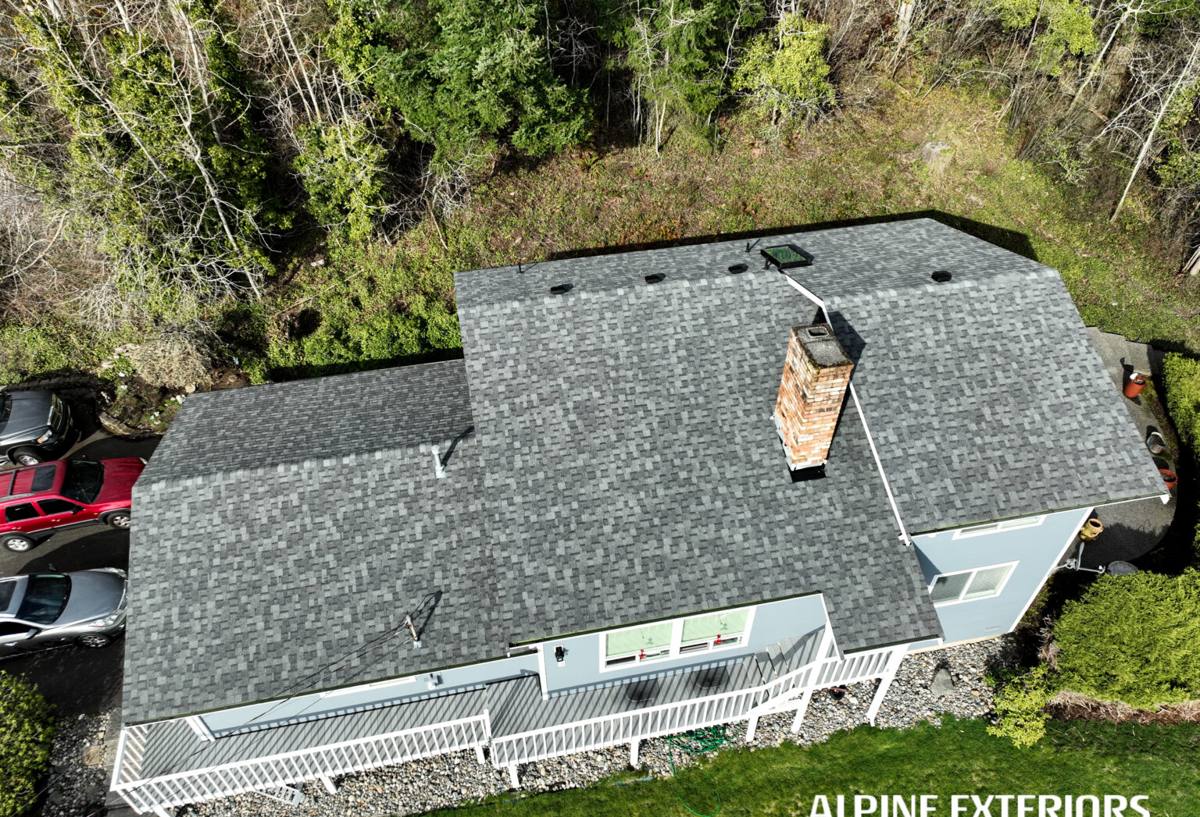
Signs a Gulfport Roof Needs Repair
Most roof problems give some warning before they turn into an interior leak. These are the signs worth acting on rather than waiting out:
- Missing, cracked, or curling shingles, especially after a windy afternoon or a named storm
- Granules collecting in gutters or at downspout outlets in amounts beyond light, normal shedding
- Rust staining around vent stacks, flashing, or exposed fasteners
- Soft spots, sagging, or spongy areas felt underfoot on the roof deck
- Daylight visible through the roof deck from inside the attic
- Water stains on interior ceilings or upper walls, particularly near chimneys, skylights, or wall intersections
- Cracked or shrunken pipe boots around plumbing vents
- Lifted or separated ridge cap shingles along the roof's peak
Common Repair Issues We See Around Gulfport
Wind-Lifted and Missing Shingles
Wind gets under a shingle edge, breaks the factory seal, and either tears the shingle off outright or leaves it loose enough to flap and eventually crack. Isolated wind damage is one of the more straightforward repairs, but it has to be matched correctly to the surrounding shingles and properly resealed, not just nailed back down.
Flashing and Valley Leaks
Flashing around chimneys, skylights, walls, and roof valleys is where most "mystery leaks" originate, because the leak often shows up on a ceiling several feet from where the water is actually entering the roof. Flashing that's corroded, was installed out of sequence, or has come loose from wind stress needs to be replaced and re-integrated with the roofing material correctly, not just caulked over.
Cracked Pipe Boots and Vent Seals
The rubber or plastic boots sealing plumbing vents and other roof penetrations are some of the first components to fail under constant Florida sun. Once a boot cracks, it's a direct entry point for water, and it's one of the more common small repairs that gets missed during a quick visual inspection because it doesn't look dramatic from the ground.
Soffit, Fascia, and Deck Damage
When a leak goes unaddressed for a while, water tends to travel along the roof deck before it ever shows up inside the house, which is why a repair sometimes has to address soffit, fascia, or a section of decking in addition to the roofing material itself. Catching a leak early keeps the repair contained to the roof surface instead of spreading into the structure underneath it.
Repair or Replacement: How We Make the Call
Not every roof problem means a full new roof, and not every leak is a quick fix. The table below outlines the general factors that push a decision one way or the other — every roof still gets evaluated on its own condition, not a formula.
| Factor | Usually Points to Repair | Usually Points to Replacement |
|---|---|---|
| Extent of damage | Isolated to one area — a valley, a vent, a section of shingles | Spread across multiple slopes or the whole roof |
| Roof age | Well within its expected service life | At or near the end of its rated lifespan |
| Underlying deck condition | Deck is sound and dry | Deck shows widespread rot or soft spots |
| Storm history | Isolated recent event with a specific, findable cause | Repeated storm hits with cumulative wear across the roof |
| Shingle availability | Matching shingles are still available or a close match is acceptable | Material is discontinued and patch would be visibly mismatched |
When a roof is genuinely borderline, we'll walk through both options honestly, including what a repair buys you in time and what it doesn't fix, so the decision is yours to make with real information rather than a sales pitch.
What a Correct Roof Repair Actually Involves
A repair that's done right addresses the cause of the damage, not just the visible symptom. That generally means:
- Identifying the actual entry point, which is often not directly above the interior stain or leak
- Removing damaged shingles, flashing, or underlayment back to sound material, not just the section that looks bad
- Checking the roof deck underneath for soft spots or moisture before closing the repair back up
- Replacing flashing, boots, or valley material with new components rather than resealing failing ones
- Matching shingle type, color, and lap pattern as closely as possible to blend with the existing roof
- Re-fastening and sealing to current manufacturer specifications, not just however the original installer did it
Skipping any of these steps is how a "repaired" roof ends up leaking again in the next storm season — the patch looks fine from the ground, but the water is still finding the same path in.
Our Roof Repair Process
Inspection and Honest Diagnosis
We start by getting on the roof, not just looking at it from the driveway. That includes checking the attic when accessible, since interior signs often tell a more accurate story than the exterior surface does. We'll explain what we find in plain terms, including if the honest answer is that a repair isn't going to hold and replacement is the better long-term move.
A Written Estimate Before Any Work Starts
You get a clear scope of what's being repaired and why before anything is touched, not a vague verbal quote. If the damage turns out to be more extensive once we open up an area, we stop and talk to you before proceeding rather than running up the bill on assumptions.
The Repair Itself
Repairs are done to the same fastening, flashing, and sealing standards we'd use on a full roof, scaled to the size of the job. We don't treat a repair as a lesser version of the work — a small area done poorly fails just as predictably as a whole roof done poorly.
Cleanup and Follow-Up
The job site gets cleaned of old material and debris, including a magnetic sweep for stray nails around the work area. If the repair was storm-related, we can also provide documentation useful for an insurance claim.
What Affects the Cost of a Roof Repair
Every roof repair is priced on its own specifics, but these are the main factors that move the number up or down, in broad terms:
| Factor | Why It Matters |
|---|---|
| Size and location of the damaged area | A single flashing repair costs far less than damage spread across a valley or full slope |
| Roof pitch and accessibility | Steep or hard-to-access roofs take longer and require more safety setup |
| Underlying deck condition | Rotted decking found during the repair adds material and labor beyond the surface fix |
| Shingle match availability | An exact match is quicker; a discontinued product may need a wider patch area to blend |
| Number of penetrations involved | Vent boots, chimneys, and skylights each add their own flashing and sealing work |
Most straightforward repairs land in a modest range measured in a few hundred to low thousands of dollars, while repairs involving deck replacement or multiple penetrations run higher. We'll always give you a real number for your specific roof rather than a rough guess over the phone.
Why It Matters to Hire a Crew That Already Works Gulfport
A roofer who works this part of Pinellas County regularly knows which flashing and fastener specs actually hold up against salt air, understands how the local permitting process works for repair versus replacement scope, and has likely already seen how a particular home's roofline handles wind-driven rain. That local pattern recognition matters more here than in a milder inland climate, where a marginal repair might go unnoticed for years before it fails. It also means faster response after a storm, since a crew already working the area isn't starting from scratch on scheduling or material sourcing when Gulfport and the surrounding St. Petersburg area get hit by the same weather event at the same time.
Maintaining Your Roof Between Repairs
A repair holds up longer when it isn't the only thing standing between your home and the next storm. Basic upkeep worth staying on top of:
- Keep gutters and downspouts clear so water isn't backing up under roof edges during heavy rain
- Trim back tree limbs that overhang the roof or rub against shingles in wind
- Have the roof looked at after any significant wind event, even if nothing looks obviously wrong from the ground
- Address small leaks or stains as soon as they appear rather than waiting to see if they get worse
- Check attic ventilation periodically, since poor airflow accelerates shingle aging from the underside
- Keep a record of prior repairs and their dates, which helps any contractor evaluate the roof faster next time
If your roof is showing any of these signs or you just want an honest opinion on what it actually needs, we're glad to take a look. Reach out for a free, no-pressure estimate using the form below.