 St. Petersburg Siding
 Why Gulfport Homes Need a Roof Built for This Exact Climate
Gulfport sits on the water along Boca Ciega Bay, tucked into a stretch of Pinellas County that takes weather from two directions at once — open Gulf systems rolling in off the coast and the general wear of a Tampa Bay peninsula climate that never really gives a roof a season off. A roof here isn't just shedding rain. It's absorbing salt-laden air off the bay, standing up to short, violent wind events, and baking under some of the most consistent, intense UV exposure in the continental United States, month after month, year after year.
That combination is harder on a roof than most manufacturers' warranty language accounts for. Salt air accelerates corrosion on unprotected metal and fasteners. UV breaks down asphalt shingle mat and adhesives faster than it does two states north. And wind-driven rain doesn't just test whether a roof covering is watertight — it tests every seam, lap, and penetration on the structure, because water pushed sideways under pressure finds any gap that isn't detailed correctly. A roof that would perform fine in a drier, calmer climate can fail early here simply because it wasn't built with these specific stresses in mind.
Metal roofing, done correctly, is one of the strongest answers to that combination. But "metal roofing" isn't one product — it's a category with real differences in panel type, fastening method, and metal composition, and those differences matter more in a coastal Pinellas County environment than almost anywhere else in the state.
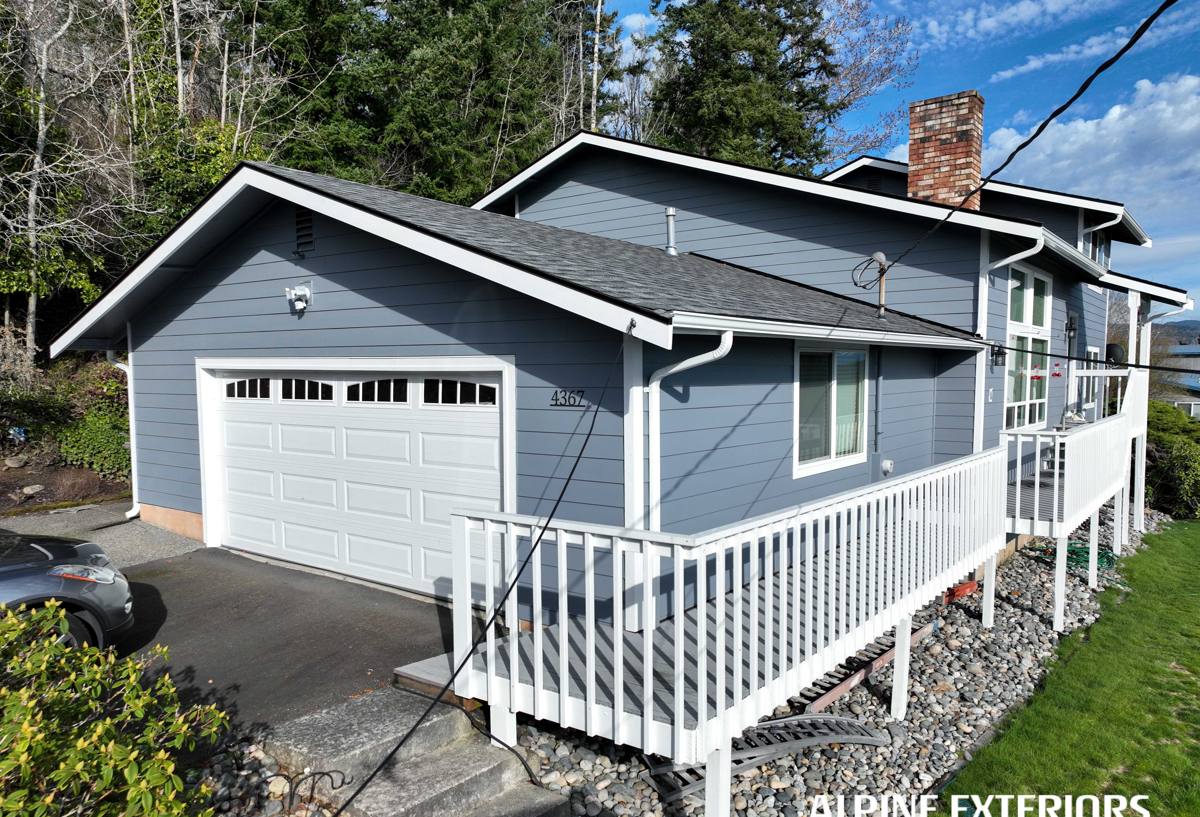
What a Correct Metal Roof Installation Actually Involves
The Deck Underneath Matters as Much as the Metal on Top
A metal roof is only as good as what it's fastened to. Before any panel goes down, the existing deck needs to be inspected for soft spots, delamination, or old fastener damage — especially on homes that have been through a roof replacement or two already. Skipping this step to save time is one of the most common shortcuts in the trade, and it's also one of the most consequential, because a fastener that doesn't bite into solid decking will work loose under wind load long before the metal itself shows any wear.
Underlayment Is Your Backup System, Not an Afterthought
Metal panels shed water, but wind-driven rain can still push moisture up and under a panel lap during a real storm. A high-temperature synthetic or self-adhered underlayment underneath the metal is what keeps that moisture out of the structure if it gets past the surface layer. In this climate, we treat underlayment as a real second line of defense, not a code-minimum formality.
Fastening and Flashing Are Where Roofs Actually Fail
Almost every metal roof leak we're called out to inspect traces back to a penetration, a valley, or a fastening detail — not the flat panel field. Pipe boots, wall-to-roof transitions, chimney flashing, and valley metal all need to be installed with the same care as the panels themselves, using compatible metals and sealants that won't corrode against each other. Mixing incompatible metals (for example, certain fasteners against certain panel alloys) sets up galvanic corrosion that can eat through material from the inside out over a few years — invisible until it isn't.
Choosing the Right Metal Roofing System for a Gulfport Property
Not every metal roof is built the same way, and the right choice depends on the home's roof pitch, budget, and how close the property sits to open water. Here's how the common options compare for a coastal Pinellas County home:
| System | Wind Performance | Salt Air Durability | Best Fit |
|---|---|---|---|
| Standing seam (concealed fastener) | Excellent — panels interlock, fewer exposed penetrations | Very good with the right finish and metal gauge | Homes closer to the water or with steady bay-wind exposure |
| Exposed-fastener panel | Good, but performance depends heavily on fastener quality and spacing | Fasteners are the weak point — need periodic inspection | Budget-conscious projects on less exposed lots |
| Metal shingle/tile profile | Good on properly detailed installs | Comparable to standing seam if finish is marine-grade | Homes where a traditional shingle or tile look is preferred |
For most Gulfport homes, we lean toward concealed-fastener standing seam because it minimizes the number of exposed penetrations that salt air and wind can work on over time. Exposed-fastener systems aren't wrong — they're a legitimate, more affordable option — but they carry a higher maintenance burden near the water, since the fasteners themselves are the first thing to show wear and need to be checked periodically rather than forgotten about.
Aluminum vs. Steel: An Honest Trade-off, Not a Sales Pitch
Aluminum doesn't rust, which makes it a strong choice directly along the bay. Steel, when properly coated and finished, is more affordable and still performs well for most Gulfport lots that aren't sitting right on the water's edge. Neither is objectively "better" — it's a trade-off between upfront cost and proximity to salt exposure, and we'll walk through which makes sense for your specific property rather than defaulting to whichever is easier to sell.
Wind, Salt, and Sun: The Three Forces Your Roof Fights Every Day
It's worth separating out how each of these actually damages a roof, because the fixes are different for each:
- Wind: Uplift at eaves, ridges, and rakes is where wind does its damage first. Panel fastening pattern and edge detailing at these zones matter more than the panel's rated wind speed on paper.
- Salt air: Constant low-level corrosion on fasteners, flashing, and any unprotected cut edge. This is a slow failure mode — it doesn't show up as a leak until years in, which is why finish quality and metal choice matter even when the budget pressure points toward cutting corners there.
- UV and heat: Coastal Florida sun degrades sealants, coatings, and any organic roofing material faster than almost anywhere else in the country. Metal's reflective, factory-applied finish holds up far better here than field-applied coatings or asphalt products, but the finish quality still varies by manufacturer and panel line.
Our Installation Process, Start to Finish
Every Gulfport metal roofing project follows the same sequence, whether it's a full tear-off or a metal roof going over an existing structure with proper preparation:
- On-site inspection and measurement. We walk the roof, check the deck condition where accessible, and document pitch, penetrations, and any problem areas before recommending a system.
- Material and system selection. Based on the home's exposure, pitch, and your budget, we walk through panel type, metal, and finish options — including the trade-offs, not just the upsell.
- Tear-off and deck prep (if needed). Old roofing is removed, the deck is inspected and repaired where necessary, and any rot or soft decking is addressed before anything new goes down.
- Underlayment installation. A high-temp synthetic or self-adhered underlayment is installed as the moisture backup layer.
- Panel installation. Panels are installed to manufacturer spec for fastener pattern, spacing, and overlap — adjusted where local wind exposure calls for tighter spacing than the code minimum.
- Flashing and penetration detailing. Valleys, walls, vents, and any roof penetrations are flashed and sealed using compatible materials.
- Final walk-through. We review the completed roof with you, cover warranty documentation, and go over what routine maintenance looks like going forward.
What Maintenance Looks Like After Installation
A correctly installed metal roof is low-maintenance, not no-maintenance — especially this close to the water. A short annual checklist keeps small issues from becoming expensive ones:
- Visually check exposed fasteners (if you have an exposed-fastener system) for backing out or surface corrosion
- Clear debris from valleys and around penetrations so water doesn't pool or channel incorrectly
- Look for scratches or chips in the panel finish after any major storm and have them touched up before bare metal is exposed to salt air
- Check sealant at flashing points and pipe boots — sealants age faster under constant Florida UV than the metal itself
- After any named storm with sustained high winds, have the roof looked at even if there's no visible leak yet
What Actually Drives Cost on a Gulfport Metal Roofing Project
We're not going to quote a number here that means nothing without seeing the roof, but these are the real variables that move a metal roofing estimate up or down:
| Factor | Why It Matters |
|---|---|
| Roof pitch and complexity | More valleys, dormers, and penetrations mean more flashing labor and material |
| Panel system chosen | Standing seam runs higher than exposed-fastener panels due to labor and material |
| Metal type and finish | Aluminum and premium coatings cost more upfront but resist salt corrosion longer |
| Existing deck condition | Rot or soft decking found during tear-off adds repair scope before installation continues |
| Tear-off vs. overlay | Removing old roofing costs more short-term but avoids trapping moisture problems underneath |
An honest estimate walks through each of these with you on-site rather than handing you a single number sight unseen.
Why Hiring a Crew That Already Works in Gulfport Matters
A roofing crew that mostly works inland doesn't think about galvanic corrosion between dissimilar metals, doesn't automatically tighten up fastener spacing at eaves for wind exposure, and may not have a strong opinion on aluminum versus steel because it's never had to defend that choice to a homeowner two blocks from the bay. None of that shows up as a problem on installation day — it shows up two, five, or ten years later, as premature fastener corrosion, a coating failure, or a leak at a flashing detail that was installed to a generic spec instead of a coastal one.
Working regularly in Gulfport and the surrounding St. Petersburg area means we're not learning these lessons on your roof. We know which details need extra attention this close to open water, and we build that into the estimate and the installation from the start rather than treating it as an upgrade.
Get a Straight Answer on Your Roof
If you're weighing metal roofing for a Gulfport home — whether it's a full replacement, storm damage repair, or you're just trying to understand your options before your current roof needs attention — we're happy to take a look and walk you through what your specific property actually needs. Fill out the form below for a free, no-pressure estimate.