 St. Petersburg Siding
 Building a Deck That Actually Holds Up in Euclid-St. Paul
Euclid-St. Paul sits in one of the older, tree-lined pockets of St. Petersburg, and like most of Pinellas County it takes a beating from the outdoors that a lot of homeowners underestimate until their deck is already failing. A deck built with generic, big-box specs might look fine for a year or two, but this part of Florida asks more of an outdoor structure than most parts of the country do. Between the intense year-round UV, wind-driven rain during summer storms, salt-laden air moving in off the surrounding water, and the real possibility of hurricane-force wind gusts, a deck here needs to be built differently than one going up in a drier, cooler climate.
This page covers what a correctly built deck looks like specifically for Euclid-St. Paul and the surrounding St. Petersburg neighborhoods — the materials, the fasteners, the structural details, and the process — so you know what to expect and what to ask for before you sign a contract.
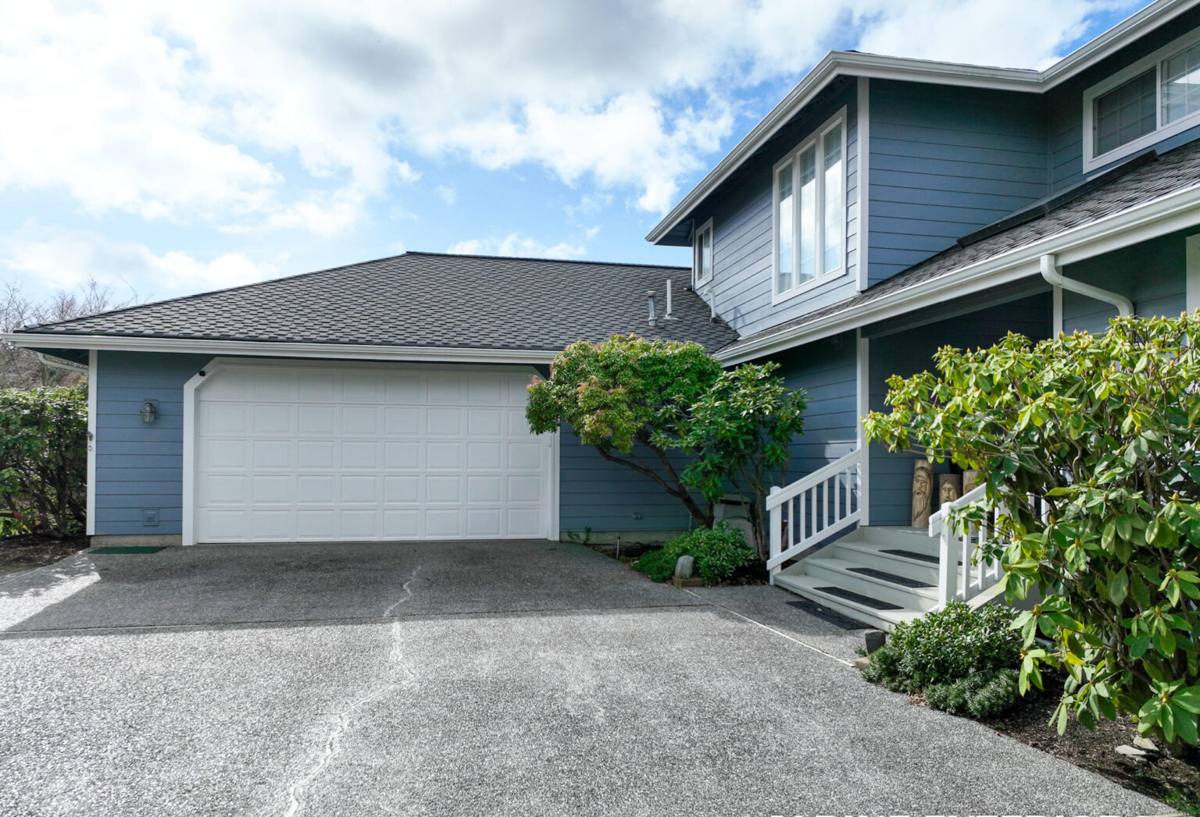
What Local Homes Actually Need From a Deck
Older St. Petersburg neighborhoods tend to have a mix of homes — many with mature tree canopy, close-set lots, and older slab or crawlspace foundations. That combination brings a few specific challenges to deck building:
- Shade and moisture retention: Tree cover keeps yards cooler but also keeps decking damp longer after rain, which accelerates rot in untreated wood and speeds mildew growth on any surface that doesn't drain or dry quickly.
- Salt air corrosion: Even several miles inland from the coast, airborne salt reaches fasteners, brackets, and any exposed metal hardware, corroding standard fasteners far faster than they'd wear out in a landlocked state.
- Wind uplift: Florida's wind load requirements exist because gusts during tropical storms and hurricanes can lift a poorly anchored deck or railing system. Ledger attachment and post anchoring have to be engineered for uplift, not just downward load.
- UV degradation: Direct Florida sun breaks down wood fibers, fades stains, and can turn cheaper composite boards brittle or chalky well before their rated lifespan.
None of this means a deck can't be built to last here — it means the build has to account for these forces from the design stage, not patched after the fact.
Material Choices: What Actually Performs in Pinellas County
There's no single "best" decking material for every project — it depends on budget, maintenance tolerance, and how much direct sun and rain exposure the deck will see. Here's an honest comparison of the options we most often discuss with St. Petersburg homeowners:
| Material | Upfront Cost | Maintenance | Climate Notes |
|---|---|---|---|
| Pressure-treated pine | Lowest | Annual sealing/staining recommended | Affordable and strong, but needs consistent upkeep or it grays, cups, and splits under sun and humidity |
| Composite decking | Mid to high | Low — occasional washing | Resists rot and insects well; quality varies a lot between brands, so capped composite matters here more than in drier climates |
| PVC decking | Highest | Lowest | Fully synthetic, handles moisture and salt air with little concern, though it can run hotter underfoot in direct sun |
| Tropical hardwoods (e.g., ipe) | High | Periodic oiling | Naturally dense and rot-resistant, but requires disciplined maintenance to keep its look and needs harder, corrosion-rated fasteners |
We don't push one material on every homeowner. What we do insist on is being upfront about the maintenance trade-off: a lower upfront cost on pressure-treated wood only pays off if you're willing to reseal it regularly in this climate. If you want to set it and mostly forget it, composite or PVC earns its higher price tag over time.
Why We're Selective About Composite Brands
Not all composite decking is built the same. Lower-grade, uncapped composite boards can absorb moisture at the core and swell, stain, or grow mildew faster in a humid climate like Pinellas County's. Our standard is to spec fully capped composite products with a documented warranty against fade and moisture damage — it costs more than the cheapest composite option, but it's the difference between a deck that looks the same in year eight and one that needs boards replaced by year four.
Framing, Fasteners, and the Details That Matter More Here
The decking surface is what you see, but the framing underneath is what determines whether the deck survives its first serious storm season. In a salt-air, high-humidity environment, a few details that get overlooked elsewhere become critical:
- Fastener grade: Standard galvanized screws and nails corrode faster near the coast. We use stainless steel or high-grade coated fasteners rated for coastal exposure, especially at structural connections.
- Joist hangers and hardware: Every hanger, post base, and hurricane tie should be corrosion-resistant hardware, not the cheapest stock option, since these pieces are load-bearing and hard to inspect once the deck is finished.
- Ledger board attachment: The ledger connecting the deck to the house has to be properly flashed to keep water from wicking into the house's rim joist — a common source of hidden rot in humid climates.
- Post footings: Footing depth and post anchoring need to account for Florida's wind load requirements, not just vertical weight, since wind uplift is a real design factor here.
- Ventilation and clearance: Decking needs airflow underneath to dry out between rains; low clearance over damp soil is one of the most common causes of premature rot we see on older decks in this area.
Permits and Florida Building Code
Deck construction in St. Petersburg falls under Pinellas County and city permitting requirements, and most decks above a certain height or attached to the home require a permit and inspection. The Florida Building Code sets wind load and structural standards that are stricter than a lot of other states' codes, for good reason. A properly built deck should be designed to meet these requirements as a baseline, not as an afterthought if an inspector flags something. We pull permits and coordinate inspections as part of the build so you're not left managing that process yourself or discovering a compliance issue after the fact.
Our Deck-Building Process
A deck project on an older St. Petersburg lot has more variables than new construction — existing grading, drainage patterns, mature trees, and sometimes an older home structure the deck ties into. Our process is built around catching those variables early rather than mid-build:
- On-site assessment: We look at the attachment point to the house, existing grade and drainage, sun/shade exposure, and any tree roots or utility lines that affect footing placement.
- Design and material selection: We walk through material trade-offs based on your budget, maintenance preference, and how the deck will actually be used — dining, lounging, grilling, pool-adjacent, etc.
- Permitting: We handle the permit application and any engineering documentation the city or county requires.
- Framing and structural work: Footings, posts, beams, joists, and ledger attachment, built to current wind load and flashing standards.
- Decking, railing, and finish work: Surface installation, railing systems, stairs, and any lighting or built-in features.
- Final inspection and walkthrough: We confirm the permit closes out and walk you through basic care specific to whatever material you chose.
Maintenance in a Salt-Air, High-UV Climate
Even a well-built deck needs some ongoing attention in this climate. What that looks like depends heavily on material choice, but a few habits apply across the board: keep debris and standing water off the surface so it can dry between rains, rinse off salt residue and pollen periodically, and check railing and stair hardware once a year for early signs of corrosion, especially at joints and connectors. Wood decks need more frequent sealing here than in drier states — often annually rather than every two to three years — because UV and humidity both accelerate the breakdown of sealants. Composite and PVC decks need far less, but periodic washing keeps mildew from taking hold in shaded, damp areas.
Questions to Ask Before You Hire
- Is the fastener and hardware grade rated for coastal/salt-air exposure, or standard-grade?
- Will you pull the permit and handle inspections, or is that on me?
- What's the warranty on materials versus on your labor and workmanship?
- How is the ledger board flashed against the house?
- What's the footing depth and post anchoring spec, and does it account for wind uplift?
Why Hire a Crew That Already Works Euclid-St. Paul
A contractor who regularly works this part of St. Petersburg already knows the permitting process with the city, has a feel for how older lots in this area drain and grade, and has seen firsthand how different materials hold up after a few Florida storm seasons rather than just going off a manufacturer's spec sheet. That local track record matters more with decks than with almost any other exterior project, because a deck's structural integrity depends on details — flashing, fastener grade, footing depth — that aren't visible once the project is finished. Hiring locally means you're working with a crew that has an ongoing reputation in the neighborhood to protect, not a one-time job to close out and move on from.
If you're planning a new deck or need to replace one that's showing its age, we're happy to come take a look and talk through what makes sense for your home and budget. Reach out for a free, no-pressure estimate using the form below.