 St. Petersburg Siding
 Why Euclid-St. Paul Homes Need Windows Built for This Climate
Euclid-St. Paul sits well within St. Petersburg's coastal exposure, and that means the windows on your home are doing more work than windows almost anywhere inland. Between hurricane-force wind events, intense year-round UV, wind-driven rain that finds every gap in an aging frame, and the slow corrosion that salt-laden air causes to hardware and seals, a window package that would be fine in a drier, calmer climate simply doesn't hold up here. When we quote a custom window job in this neighborhood, we're not just measuring openings — we're accounting for Pinellas County's wind exposure, the age and construction style common to homes in this part of St. Petersburg, and how much sun a given elevation takes over a Florida summer.
"Custom" in this context doesn't mean expensive or fancy. It means the window is sized, framed, and glazed to fit your actual opening and your actual exposure, instead of being forced to fit a stock size that leaves gaps, requires excessive shimming, or under-performs the wind load your home should be designed to handle.
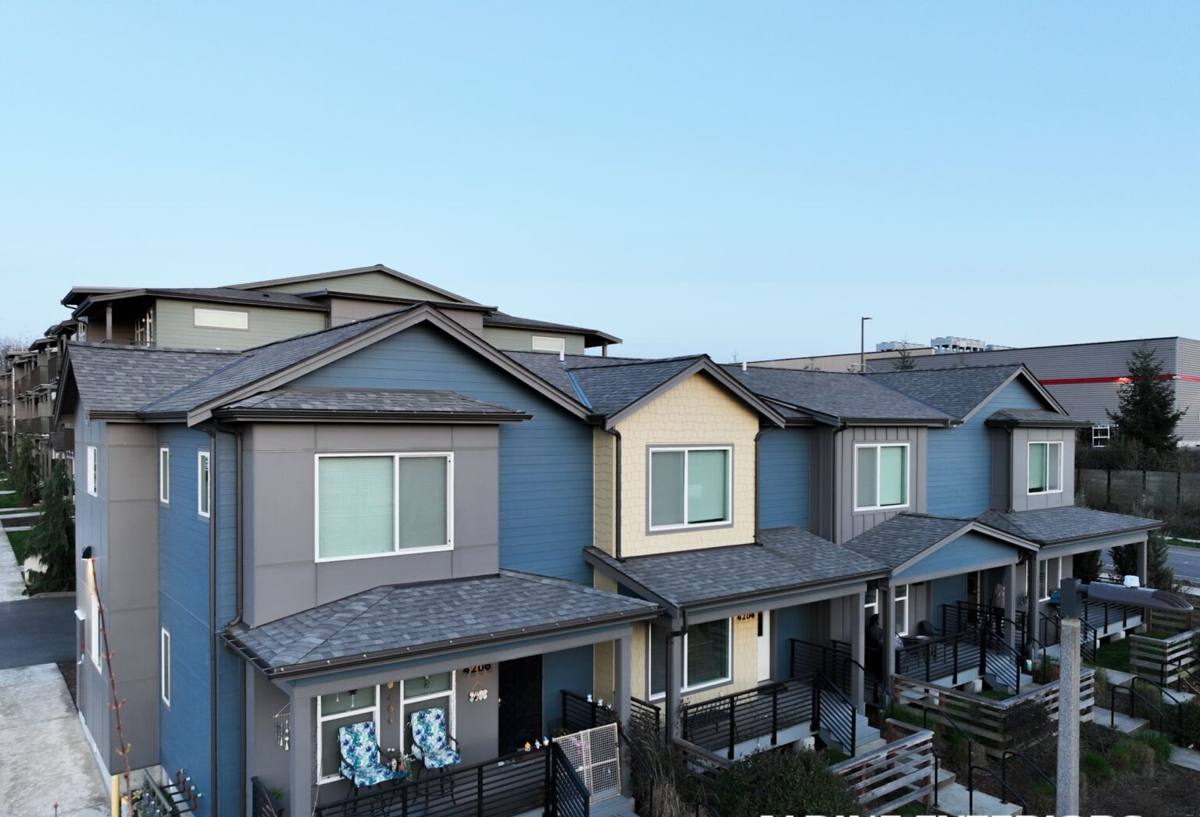
What "Custom" Actually Means on an Older or Irregular Opening
Openings That Aren't Standard Sized
A lot of homes in established St. Petersburg neighborhoods were built before modern stock window sizes became the norm, or have had additions, renovations, or settling over the decades that put openings slightly out of true. Stock replacement windows assume a square, standard-dimension opening. When that assumption doesn't hold, you end up with a window that's packed with shims, caulked heavily to hide gaps, or — worse — installed slightly out of plumb, which stresses the frame and the seals over time.
Custom windows are built to the actual measured dimensions of your opening, including any out-of-square condition. That's a fundamentally different, more durable result than trying to force a big-box stock unit into a shape it wasn't made for.
Preserving the Look of the Home
Many owners in this area care about keeping the character of their home intact — matching grid patterns, sightlines, and proportions rather than switching to whatever profile happens to be in stock. Custom sizing and configuration lets us match the visual scale of the original openings while upgrading everything behind the glass: the frame material, the glazing package, and the wind rating.
Wind Ratings and Code Requirements That Apply Here
Pinellas County falls under the Florida Building Code's windborne debris region requirements, which is a step below the High-Velocity Hurricane Zone rules that apply farther south, but it is not a light standard. Any window we install on a home in this area has to meet a wind pressure rating appropriate to your specific site conditions — elevation, exposure category, and proximity to open water all factor into that calculation — and openings either need to be impact-rated or protected by code-compliant shutters or panels.
This is where a lot of window problems start: a window rated for a calmer inland wind zone gets installed on a home that actually needs a higher pressure rating for its location. It may look fine and function fine on a normal day, but it's not doing what it's supposed to do when a real wind event hits.
| Protection Approach | What It Involves | Trade-Offs |
|---|---|---|
| Impact-rated windows | Laminated glass bonded to resist penetration; no separate storm panels needed | Higher upfront cost; heavier glass; no annual install/removal labor |
| Non-impact windows + shutters or panels | Standard glazing paired with removable or permanent storm protection | Lower window cost, but shutters must be deployed before every storm; storage and upkeep required |
| Non-impact windows, no protection | Does not meet current windborne debris region requirements for most openings | Not something we install as a standalone solution on qualifying openings |
We'll walk you through which openings on your specific home need which level of protection, and pull the permit that documents it — St. Petersburg and Pinellas County both require permitting for window replacement, and skipping that step can create real problems at resale.
Choosing Frame Material and Glass Package
Frame Materials
Vinyl, aluminum, and fiberglass/composite frames all show up in this market, and each has real trade-offs rather than an obvious universal winner.
| Frame Material | Strengths | Considerations in This Climate |
|---|---|---|
| Vinyl | Good insulation value, no corrosion, moderate cost | Can expand/contract with heat; quality varies a lot between manufacturers |
| Aluminum | Strong, slim sightlines, handles high wind loads well | Conducts heat; needs a quality thermal break and marine-grade hardware near salt air |
| Fiberglass/composite | Very stable dimensionally, strong, low maintenance | Higher upfront cost; fewer color/profile options in some lines |
Glass Packages
Beyond the frame, the glass package is doing most of the work against sun and rain. Low-E coatings cut down on radiant heat coming through the glass, which matters after months of intense Florida sun beating on a west- or south-facing elevation. Laminated impact glass adds the interlayer that keeps the pane intact under wind pressure and flying debris. We'll also talk through tint and coating options if a particular room runs hot in the afternoon — that's a common, fixable complaint in homes with older single-pane or clear dual-pane glass.
Hardware and Seals
Salt air is hard on anything metal that isn't specified for coastal exposure — hinges, locks, cranks, and balance systems corrode faster here than they would inland. We spec corrosion-resistant hardware and weatherstripping rated for coastal use rather than the standard-grade components that ship with some off-the-shelf window lines, because replacing failed hardware five years in costs more than getting it right the first time.
Our Installation Process
- On-site assessment — we measure every opening individually, check for square, and note any moisture, rot, or structural issues around the frame before quoting anything.
- Product and wind-rating selection — based on your home's exposure and your priorities (budget, appearance, storm protection level), we recommend specific frame and glass combinations rather than a one-size answer.
- Permitting — we handle the permit application with the City of St. Petersburg or Pinellas County as applicable, so the finished job is documented and inspection-ready.
- Removal and prep — old windows come out carefully, and we inspect the framing and sill for hidden water damage before anything new goes in. Problems found here get flagged and addressed, not covered up.
- Installation and flashing — proper flashing and sealant details around the new unit are what actually keep wind-driven rain out; a window can be top-quality and still leak if the flashing detail is done wrong.
- Final inspection and walkthrough — we confirm smooth operation, check seals, and walk the job with you before we consider it done.
Problems We Commonly Find on Homes in This Area
Every neighborhood has its own patterns, and Euclid-St. Paul is no exception. A few issues come up often enough that we check for them as a matter of course:
- Wood sills and framing softened by years of moisture intrusion around older, poorly sealed windows
- Aluminum frames pitted or corroded from long-term salt air exposure, even when the glass itself is still intact
- Openings that have shifted slightly out of square over decades of settling
- Failed seals on older dual-pane units, showing up as fogging or condensation between the panes
- Hardware — locks, cranks, balances — that's seized or corroded well before the glass or frame has failed
None of these are unusual or alarming; they're just what happens to windows over time in this climate. The point of a proper assessment is catching them before or during the install, not after.
Maintenance That Protects the Investment
A well-installed, correctly rated window can last for decades in this climate, but only if it gets basic upkeep. Salt air in particular rewards a little regular attention.
- Rinse frames and tracks periodically with fresh water to clear salt residue, especially on homes closer to open water
- Inspect exterior caulking and sealant lines once a year and touch up before wind-driven rain finds a gap
- Keep weep holes clear of debris so water drains out of the frame instead of pooling
- Lubricate locks, cranks, and hinges on an annual schedule to head off salt-related corrosion
- Before hurricane season, confirm shutters or panels are on hand and in working order if your windows rely on them for protection
Why Local Experience in Euclid-St. Paul Matters
A window crew that regularly works this part of St. Petersburg already knows the permitting process at the city and county level, has a feel for the age and construction quirks common to homes in the neighborhood, and understands which wind exposure and product combinations actually make sense for this specific stretch of coastline versus a generic statewide answer. That local familiarity shows up in small ways that matter: fewer surprises during permitting, fewer return trips for adjustments, and a product recommendation that's actually matched to your home rather than whatever's easiest to sell.
If you're weighing options for your windows in Euclid-St. Paul, we're happy to come take a look, measure your openings, and put together a clear, no-pressure estimate — no obligation, just straight information about what your home actually needs. Use the form below to get started.