 St. Petersburg Siding
 Why Decks in Disston Heights Wear Out Faster Than You'd Think
Disston Heights is one of St. Petersburg's older, established neighborhoods, and that shows up in its decks. A lot of the outdoor structures we get called out to here were built years ago under different conditions, added on by a previous owner, or repaired piecemeal over time with whatever lumber was on hand. None of that is unusual — it's just what happens to wood and fasteners that sit outside in Pinellas County year-round. A deck here isn't fighting one problem, it's fighting several at once: constant sun, humidity, wind-driven rain, and the salt-laden air that moves inland off Tampa Bay and the Gulf. Add in the occasional tropical system with real wind load, and a deck that looks fine from the yard can be quietly failing underneath.
This page is about deck repair specifically — not a full rebuild sales pitch, not generic maintenance tips. It's what we actually look for, what a proper repair involves, and why the difference between a patch job and a correct repair matters more here than in drier, cooler climates.
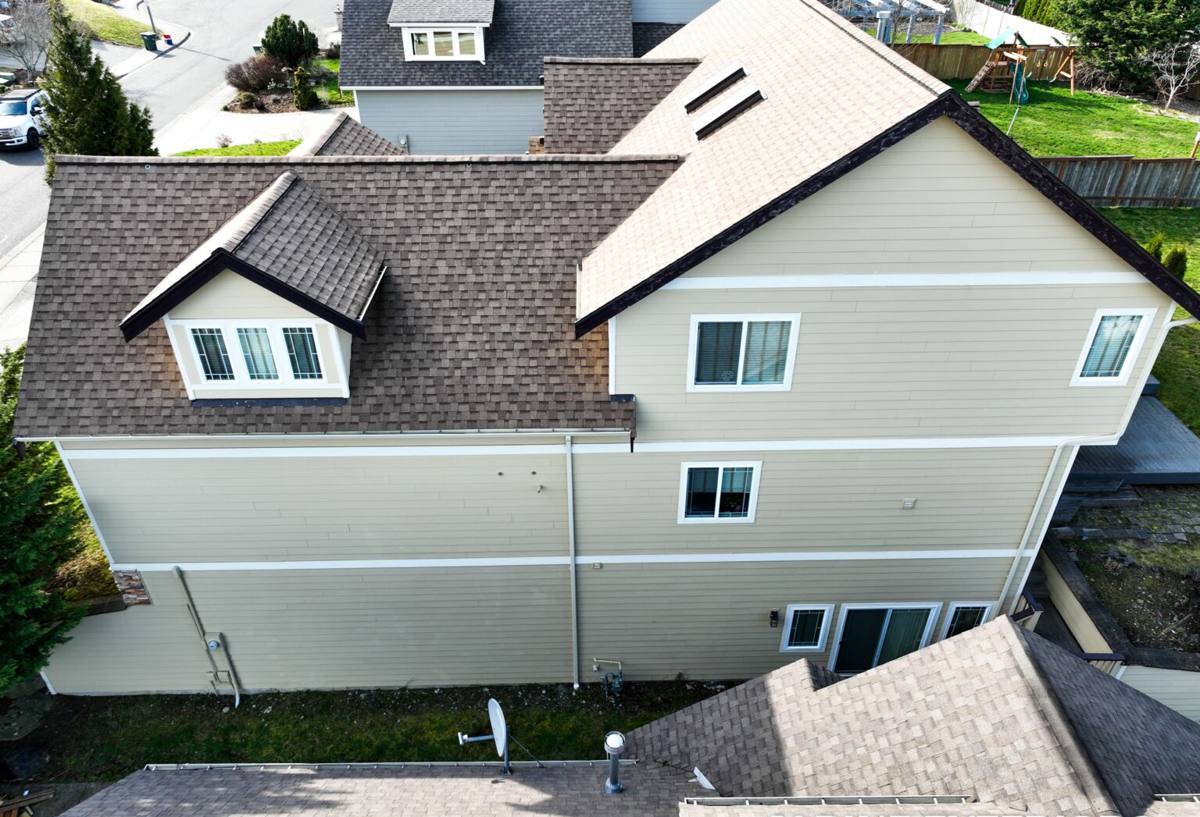
What Coastal Florida Weather Does to Deck Framing and Decking
Sun and UV
Florida sun is harder on exposed wood and composite decking than most people realize. UV breaks down the lignin in wood fibers, causing the surface to gray, splinter, and lose its protective coatings years before the structure underneath actually fails. On composite boards, prolonged UV exposure without adequate stabilizers can lead to fading and surface chalking. Either way, a deck that's never shaded takes noticeably more punishment than one under mature tree cover — and Disston Heights has plenty of both situations.
Wind-Driven Rain and Humidity
Rain that comes in sideways during a storm gets up under railings, behind ledger boards, and into end grain that a vertical rain would never reach. Combined with Pinellas County's humidity, that moisture doesn't dry out fast. It sits in joints, around fasteners, and in any spot where two boards meet — which is exactly where rot starts.
Salt Air and Corrosion
You don't have to be waterfront for salt air to matter. It travels well inland off the bay and the Gulf, and it accelerates corrosion on anything metal — nails, screws, joist hangers, bolts. A deck can have solid-looking wood sitting on hardware that's rusted through, which is a structural problem you can't see from the surface.
Storm Wind Loads
Decks and railings take real lateral force during high wind events. Ledger connections, post bases, and railing posts are the parts most likely to have been under-built or weakened by hidden rot, and they're exactly the parts that fail first when a storm pushes on the structure.
Signs Your Deck Needs Repair, Not Just a Fresh Coat of Stain
Staining or sealing a deck that has underlying problems just hides them for another season. Before any cosmetic work, we check for the things that actually indicate a repair is needed:
- Soft or spongy spots when you walk across the decking, especially near the house or stair landings
- Boards that have visibly cupped, split lengthwise, or pulled away from fasteners
- Railings or posts that wiggle or flex when pushed — even slightly
- Rust streaks running down from screw heads or around joist hangers
- Gaps opening up where the deck's ledger board meets the house
- Visible daylight or gaps between joists and beams that used to sit flush
- A musty smell coming from underneath the deck, which usually means trapped moisture
- Stairs that feel less solid than they used to, or steps that have started to bounce
Any one of these on its own might be minor. Two or three together usually means the framing needs a real look, not just a surface fix.
What a Correct Deck Repair Actually Involves
Structural Framing Comes First
Before touching a single decking board, the framing underneath — the ledger board, joists, beams, and posts — has to be checked for rot, corrosion, and connection integrity. Replacing the visible boards on top of compromised framing is a cosmetic fix on a structural problem, and it doesn't hold up.
The Decking Surface
Individual boards get replaced where damaged rather than resurfacing the whole deck when it isn't necessary. Spacing and fastening patterns matter here — boards installed too tight or too loose don't handle Florida's expansion and contraction cycles well over time.
Railings and Guards
Railings take a lot of hand pressure and lateral wind force, so post connections get checked for solid attachment to the framing, not just to the decking surface. A railing that's only screwed into decking boards will eventually work loose no matter how good it looks.
Fasteners and Hardware
Given the salt air in this part of the county, hardware matters as much as the wood itself. We use fasteners and connectors rated for coastal exposure rather than standard interior-grade hardware, because that's usually where older decks actually fail first.
Decking Material Options When We Rebuild a Section
Repairs don't always mean matching the exact material that's already there — sometimes it makes more sense to rebuild a damaged section in a material that will hold up better long-term. Here's how the common options compare for a Gulf Coast climate:
| Material | Sun/Moisture Behavior | Maintenance Needs | Typical Repair Considerations |
|---|---|---|---|
| Pressure-treated pine | Handles moisture well when sealed; UV fades color over time | Needs re-sealing every 1-2 years in this climate | Affordable, easy to match and patch section by section |
| Cedar or other hardwood | Naturally rot-resistant but softer, benefits from regular sealing | More frequent sealing than PT pine | Higher material cost; repairs should match grain and finish |
| Composite/PVC decking | Doesn't rot, handles humidity well; some products fade under constant UV | Low — occasional cleaning | Higher upfront cost; framing underneath still needs real wood or steel and its own inspection |
None of these is universally "best" — it depends on the homeowner's budget, how much upkeep they want to do, and how the deck is used. Our job is to lay out the honest trade-offs, not push whatever has the highest markup.
Repair or Replace? The Factors That Actually Decide It
Homeowners often assume a deck with visible damage needs full replacement. Sometimes it does — but often a targeted repair is the more sensible call. What actually determines the answer:
| Factor | Leans Toward Repair | Leans Toward Replacement |
|---|---|---|
| Extent of rot/damage | Isolated to a few boards or one section | Widespread across framing and decking |
| Footings and posts | Solid, no movement or settling | Cracked, undersized, or shifted |
| Age of structure | Newer deck with a localized issue | Original framing decades old |
| Code compliance | Meets current railing/stair requirements | Built before current guardrail or stair code |
| Budget and timeline | Wants to extend life short-term | Wants long-term, low-maintenance solution |
Our Deck Repair Process
- On-site inspection — we get underneath the deck, not just look at the surface, checking framing, posts, footings, and hardware condition
- Honest scope and written estimate — what needs structural repair versus what's cosmetic, explained plainly
- Permitting when required — structural repairs in the City of St. Petersburg can require a permit; we handle that so it's not on the homeowner to sort out
- Removal of compromised material — only what needs to come out, not a full teardown unless that's genuinely the right call
- Structural repair or replacement — framing, ledger connections, posts, and hardware brought back to a solid standard
- Decking, railing, and finish work — boards and railings installed and finished to match or upgrade the existing deck
- Final walkthrough — we check the repair with the homeowner before calling the job done
Permits and Code Considerations in St. Petersburg
Structural deck repairs — anything touching framing, footings, or railings — typically fall under the city's permitting requirements, separate from a simple like-for-like board swap. Guardrail height and baluster spacing requirements also come up often on older decks that predate current code. We handle the permitting and inspection process as part of the job rather than leaving it for the homeowner to figure out, which matters in Pinellas County where inspection scheduling and requirements can vary by jurisdiction.
Why Hiring a Crew That Already Works in Disston Heights Matters
A deck repair contractor who already works in this neighborhood knows what tends to show up in homes of this age and construction style, knows the local permitting process, and isn't learning the area on your dime. That means fewer surprises mid-job, a more accurate estimate up front, and a crew that's already accountable to a reputation in the neighborhood rather than passing through for a one-off job. For a repair that's holding up your family and guests, that local track record is worth something.
If your deck has a soft spot, a wobbly railing, or you just haven't had it checked in a few years, we're happy to take a look. Fill out the form below for a free, no-pressure estimate — we'll tell you honestly whether you need a repair, a rebuild of one section, or nothing at all right now.