 St. Petersburg Siding
 Building Decks That Actually Hold Up in Bartlett Park
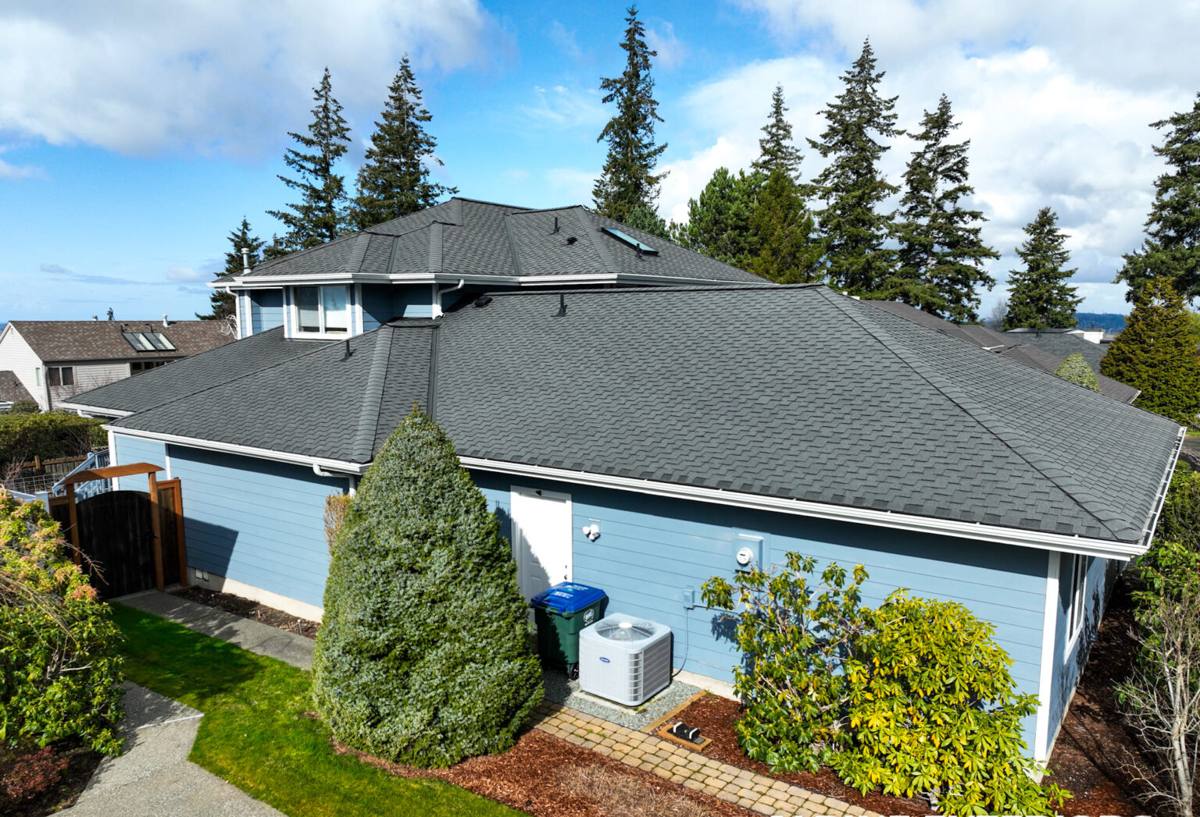
Bartlett Park is one of St. Petersburg's older, established neighborhoods, and that shows in the housing stock — a mix of bungalows, ranch homes, and mid-century construction, many sitting on lots that were graded and built out long before today's building codes existed. When homeowners here ask us for a new deck or a rebuild of an old one, the conversation almost always comes back to the same question: how do we build something that survives a Gulf Coast climate instead of just looking good for a season or two?
Pinellas County sits in one of the more demanding climates in the country for outdoor structures. Hurricane-force wind events are a real design load, not a hypothetical. Sun exposure is intense and constant, twelve months a year. Wind-driven rain finds its way into every gap and fastener hole that isn't properly flashed. And because Bartlett Park is close enough to the water for salt-laden air to travel inland on a regular breeze, metal components corrode faster here than they would forty miles inland. A deck built the way it might be built in a drier, calmer climate simply doesn't last in St. Petersburg.
What Bartlett Park Homes Actually Need From a Deck
Every deck project starts with the same site realities in this neighborhood: modest lot sizes, older homes with ledger boards that may not match current attachment standards, and yards that don't always drain the way they should after a heavy summer storm. A deck that's designed without accounting for these things tends to develop problems within a few years — soft ledger connections, standing water under the structure, or fasteners that rust and stain the decking long before the boards themselves wear out.
Common conditions we plan around
- Older exterior wall framing that needs to be inspected and sometimes reinforced before a ledger board can be safely attached
- Grade that slopes toward the house instead of away from it, which affects post footing depth and drainage planning
- Existing concrete patios or slabs that homeowners want to build around rather than remove
- Limited side-yard access, which affects how materials and equipment get to the build site
- Proximity to salt air, which changes which fastener and hardware grades are worth using
None of this is unusual for a neighborhood with this housing age and lot layout — it just means the planning phase has to be honest about what's actually there, not what a generic spec sheet assumes.
Choosing the Right Decking Material for This Climate
Material choice matters more in St. Petersburg than it does in most parts of the country, because UV exposure and moisture cycling are both working against the deck at the same time, year-round. We walk homeowners through the real trade-offs rather than pushing one product as universally "best."
Pressure-treated wood
Still the most affordable option and a solid choice when it's installed correctly and maintained on schedule. The trade-off is honest: it requires periodic sealing or staining to resist UV graying and moisture intrusion, and fasteners need to be rated for treated lumber's chemical makeup or they'll corrode.
Composite decking
Composite has become a popular choice for homeowners who want to spend less time on maintenance. It resists UV fading better than untreated wood and doesn't require staining, but board quality varies a lot between manufacturers, and installation details — proper gapping, ventilation underneath, fastener compatibility — matter more with composite than with wood, because mistakes show up as heat buildup or moisture trapping rather than obvious rot.
PVC and capped composite
The most moisture-resistant option, which makes it a strong fit for a climate with this much wind-driven rain. It costs more upfront, and it's worth noting that the warranty structure and installation tolerances on PVC products tend to be less forgiving of shortcuts — this is a product where correct installation really is the difference between a 20-year deck and a warranty dispute.
| Material | Upfront Cost | Maintenance | Best Fit For |
|---|---|---|---|
| Pressure-treated wood | Lowest | Sealing/staining every 1-2 years | Budget-conscious owners willing to maintain it |
| Composite | Mid-range | Occasional washing, no sealing | Owners who want lower upkeep and a consistent look |
| PVC / capped composite | Highest | Minimal, mostly washing | Homes closest to the water or heaviest sun exposure |
Structural Details That Matter More Here Than Elsewhere
A deck that looks finished on the surface can still be under-built where it counts. In a coastal hurricane zone, three structural details separate a deck that holds up from one that becomes a liability in a storm.
Ledger board attachment
The ledger — the board that connects the deck to the house — carries a huge share of the structural load. On older Bartlett Park homes, we check the condition of the rim joist and sheathing behind the siding before attaching anything, and we use lag bolts or through-bolts rated for the load rather than relying on nails alone.
Footings and post connections
Footings need to be sized and set below the frost-irrelevant but flood-relevant grade for this area, with post bases that keep wood from sitting in standing water after a downpour. Post-to-beam and beam-to-joist connections should use metal hardware rated for exterior, coastal use — not the cheapest hardware on the shelf.
Fasteners and hardware grade
This is where salt air does the most damage over time. Standard galvanized fasteners can start showing rust streaks within a couple of years this close to the coast. We spec stainless or high-grade coated fasteners specifically because the cost difference upfront is small compared to the cost of replacing corroded hardware — or the decking it stains — a few years down the line.
Our Process, Start to Finish
1. On-site evaluation
We look at the existing structure (if there is one), the condition of the house's framing where the ledger will attach, drainage patterns in the yard, and access for materials and equipment.
2. Design and material selection
We talk through decking material, railing style, and layout based on how the space will actually be used, not just square footage.
3. Permitting
Deck construction in St. Petersburg and unincorporated Pinellas County generally requires a permit, and inspectors will look specifically at footing depth, ledger attachment, and railing height and spacing. We handle the permit application and schedule inspections as part of the job rather than leaving that step to the homeowner.
4. Construction
Footings first, then framing, then decking and railing. We don't cover up framing work before it's been inspected where a permit requires that step.
5. Final walkthrough
We go over the finished deck with the homeowner, point out any maintenance items specific to the material chosen, and make sure everything meets code before we consider the job done.
Permitting and Code Realities in This Area
Because Pinellas County sits directly in a hurricane-exposed coastal zone, wind load requirements for railings, guardrails, and structural connections are stricter than they'd be inland. Some Bartlett Park lots also sit in areas where local flood zone designations affect how footings and lower framing members need to be handled. We don't guess on this — permit requirements are pulled and confirmed for the specific property before design work is finalized, not assumed from a generic template.
Maintaining a Deck in Salt Air and Year-Round Sun
Whatever material is chosen, a few habits make a real difference in how long a St. Petersburg deck lasts:
- Rinse off salt residue and debris every few weeks, more often if the deck is exposed to direct onshore breeze
- Check fastener heads and metal hardware once or twice a year for early rust staining
- Keep gutters and downspouts clear so runoff isn't dumping extra water onto or under the deck
- Reseal or restain wood decking on the schedule the product actually needs — don't wait for visible graying
- Clear leaves and organic debris from between boards so moisture doesn't sit trapped against the surface
- Inspect footings and post bases after any major storm for shifting or standing water
Why Local Experience in Bartlett Park Matters
A contractor who's worked in this specific neighborhood already knows the general age and framing style of the homes, the drainage tendencies of the lots, and what Pinellas County inspectors look for at each stage of a deck build. That's the difference between a design that gets adjusted on paper before construction starts and one that runs into surprises — failed inspections, unexpected framing repairs, drainage problems — once the crew is already on site. It also means realistic timelines and material recommendations based on what actually performs in this climate, not what performs well in a showroom three states away.
Getting Started
If you're planning a new deck or need an older one evaluated for repair versus replacement, we're happy to come take a look and walk you through honest options for your property, your budget, and this climate. There's no pressure and no obligation — just a straightforward estimate based on what your home actually needs. Use the form below to request a free estimate.