 St. Petersburg Siding
 Windows Built for Snell Isle's Waterfront Conditions
Snell Isle sits close to the water, and that proximity is exactly what makes window selection here different from a typical St. Petersburg neighborhood a few miles inland. Homes on and near the isle deal with a tougher combination of stressors: salt-laden air working on hardware and seals year-round, intense subtropical UV breaking down glazing and frame materials, wind-driven rain during summer storms, and the real possibility of hurricane-force gusts loading the glass and frame directly. Windows that would hold up fine in a drier, calmer climate can underperform here within a handful of years — fogging between panes, hardware that corrodes and sticks, or frames that chalk and warp under the sun.
Energy efficiency and storm resistance aren't separate conversations for a home in this location — they're the same conversation. A window that's properly rated for wind pressure and impact is also, by construction, going to seal and insulate better than a builder-grade unit. Getting this right the first time matters more here than almost anywhere else in Pinellas County.
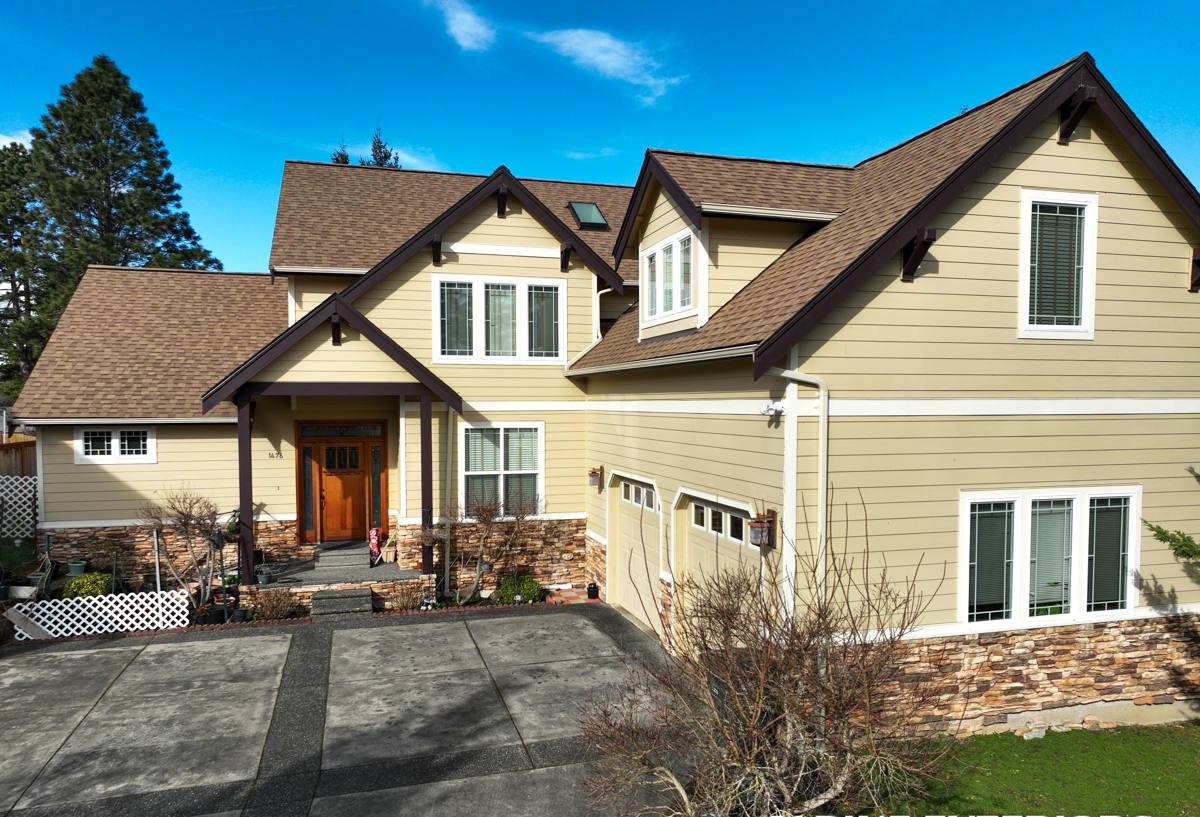
What "Energy-Efficient" Actually Means in This Climate
In a lot of the country, energy-efficient windows are mostly about keeping heat in during winter. St. Petersburg's challenge runs almost the opposite direction most of the year: keeping heat and humidity out, and doing it without the frame, seal, or glass coating breaking down under constant sun and salt exposure. A few things matter more here than the marketing brochures usually emphasize:
- Low-E coatings tuned for solar heat gain — you want a coating that blocks infrared heat from the sun without darkening the glass or killing your natural light.
- Frame material that won't degrade in salt air — vinyl and fiberglass generally outperform bare aluminum near the water, where corrosion and pitting show up faster.
- Multi-point locking hardware in corrosion-resistant finishes — cheap hardware seizes up within a few seasons this close to the bay.
- Warm-edge spacers between panes — these reduce condensation and prevent the seal failures that cause that cloudy, fogged look between double panes.
- A tight, correctly flashed installation — even the best window performs poorly if it's not sealed and flashed to keep wind-driven rain out of the wall cavity.
Homeowners in Snell Isle often come to us after noticing higher-than-expected cooling bills, condensation between panes, or drafts near older aluminum frames. Almost every one of those issues traces back to one of the points above.
Solar Heat Gain vs. Visible Light: The Trade-Off Homeowners Miss
Every low-E glass package is a balance between blocking solar heat and letting in visible light. Push too hard toward heat rejection and you get glass that looks slightly tinted or gray, especially noticeable on a house with a lot of glazing facing west or south toward the water. Push too far the other way and you're not actually solving the cooling-bill problem. We walk homeowners through actual glass samples in their own lighting before ordering anything, because a photo or spec sheet never tells the full story of how a coating looks against Florida sun.
Wind, Impact, and Building Code Considerations
Pinellas County sits in a high-velocity hurricane zone, and Snell Isle's exposure means wind pressure calculations for window replacements here often land on the stricter end of what the Florida Building Code requires for the area. Two paths satisfy code for openings in wind-borne debris regions:
- Impact-rated glass — laminated glass that stays intact under debris impact, installed without the need for separate shutters or panels.
- Non-impact windows paired with code-approved shutters or panels — a lower upfront cost, but it puts the burden on the homeowner to actually deploy protection before every storm.
Most homeowners we work with on the isle end up choosing impact-rated glass, partly for the insurance credits that often come with it and partly because it removes the scramble of shuttering up every time a storm tracks toward the bay. We'll walk you through both options honestly, including the real cost difference, rather than pushing the more expensive one by default.
How Wind Pressure Ratings Actually Work
Every window carries a Design Pressure (DP) rating, and the correct rating depends on the home's specific exposure — height, distance from open water, and which side of the house the opening is on. A window that's correctly rated for an interior wall on a one-story inland home is not automatically correct for a second-story opening facing open water on Snell Isle. This is one of the most common shortcuts in the industry: installing a window that meets a generic "hurricane zone" label without confirming it's rated for that specific opening's exposure. We calculate this per opening, not per house, before we ever place an order.
What a Correct Installation Involves
The window unit itself is maybe half the job. The other half is how it goes into the wall, and that's where most of the long-term problems — leaks, drafts, mold behind trim — actually originate. Our process on every Snell Isle project includes:
- Opening inspection — checking the existing rough opening, sill, and surrounding wall for rot, prior water intrusion, or out-of-square framing before anything is ordered.
- Accurate measurement and ordering — factory-correct sizing rather than field-trimming a stock unit to fit, which weakens the frame's structural performance.
- Removal without damaging surrounding stucco or siding — old caulk and fasteners are cut out cleanly rather than pried, which limits collateral damage to the exterior finish.
- Sill pan flashing — a sloped, sealed pan under the window directs any water that gets past the exterior seal back outside instead of into the wall cavity. This step gets skipped more often than it should on quick jobs.
- Proper shimming and fastening — the frame has to sit square and plumb, fastened per the manufacturer's installation instructions to preserve its rated wind and impact performance. An out-of-spec install can void that rating even on a good window.
- Sealant compatible with the frame material and stucco — the wrong sealant chemistry can fail to bond or degrade quickly in UV and salt exposure.
- Interior and exterior trim-out — finished cleanly to match the home's existing lines, not just caulked and left.
Comparing Frame Materials for a Waterfront-Adjacent Home
| Frame Material | Salt Air Performance | Insulating Value | Maintenance |
|---|---|---|---|
| Vinyl (impact-rated) | Strong — won't corrode or pit | Good, especially multi-chambered profiles | Low — no painting or sealing needed |
| Fiberglass | Excellent — very stable in salt and UV | Very good, low expansion/contraction | Low, though higher upfront cost |
| Aluminum (standard) | Weakest — prone to corrosion and pitting near the water | Lower unless thermally broken | Higher — needs periodic refinishing |
| Aluminum (thermally broken, marine-grade coating) | Improved, but still needs upkeep | Better than standard aluminum | Moderate |
None of these is universally "wrong" — some homeowners want the narrow sightlines aluminum allows, or are matching an existing architectural style. Our job is to make sure whatever material you choose is spec'd, sealed, and installed to actually hold up in this environment, and to be upfront if a particular choice will mean more maintenance down the road.
Why Salt Air and UV Shorten Window Lifespan Faster Here
Two things do most of the damage to windows in this part of Pinellas County. Salt-laden air, carried in off the bay and Gulf, accelerates corrosion on hardware, screws, and any exposed metal — including components inside a window that look fine on the outside but are seizing up internally. Constant, intense UV exposure breaks down vinyl plasticizers, weathers exterior sealants, and can degrade certain seal materials in insulated glass units faster than manufacturers' national averages would suggest. Together, these two factors mean a window rated for a 20-25 year service life in a milder climate may show real wear in Snell Isle well before that mark if it wasn't spec'd or installed correctly for this exposure. This is exactly why we don't treat product selection as a one-size-fits-all decision — what performs well in a listing photo doesn't always perform well a block from the water.
Signs Your Windows Are Underperforming
- Fogging or a cloudy haze between the panes (seal failure in the insulated glass unit)
- Noticeably higher cooling bills compared to similar-sized homes nearby
- Hardware that's stiff, corroded, or won't lock smoothly
- Visible daylight or a draft you can feel around the frame
- Soft trim, discoloration, or a musty smell near the window after storms
- Frames that are chalky, faded, or warped from sun exposure
- Condensation forming on the interior glass regularly, even with AC running
Any one of these on its own might not mean full replacement is necessary — sometimes it's a repair or reseal. But on a waterfront-adjacent home, we'd rather look at it in person than guess over the phone.
Why Local Installation Experience Matters
A crew that's installed windows across St. Petersburg and specifically in exposure-heavy areas like Snell Isle knows the wind pressure calculations, the permitting expectations for Pinellas County, and the failure patterns that show up in this specific environment — not just generic manufacturer guidance. That local pattern recognition is what catches things like an under-rated opening, a flashing detail that won't hold up against wind-driven rain off the bay, or a frame material that's going to fight the salt air from day one. It's also what keeps a project moving through permitting and inspection without the delays that come from a crew unfamiliar with local requirements.
Get a Free, No-Pressure Estimate
If you're dealing with fogged glass, rising cooling bills, stiff hardware, or you're just planning ahead of the next storm season, we're glad to take a look. Every estimate includes an honest read on what your home's specific exposure calls for — no upsell, no guesswork. Fill out the form below and we'll set up a time to walk the property with you.