 St. Petersburg Siding
 Why Pinellas Point Roofs Take a Different Kind of Beating
Pinellas Point sits on a finger of land with water on multiple sides, which is part of what makes it a desirable place to live — and part of why roofs here wear differently than roofs ten miles inland. A roof in this neighborhood is dealing with four things at once: hurricane-force wind events that can lift shingles and drive water sideways, sun exposure strong enough to break down roofing materials year-round, wind-driven rain that finds every weak seam, and salt-laden air that accelerates corrosion on fasteners, flashing, and metal components. None of these factors is unique to St. Petersburg on its own, but the combination — and the peninsula's direct exposure to Tampa Bay and the Gulf — is what separates a Pinellas Point roof from one in a more sheltered part of Pinellas County.
Storm damage doesn't always look dramatic. A roof can survive a named storm with no missing shingles and still come out of it compromised — creased shingle tabs, lifted seals, a bent piece of flashing, or granule loss that thins out the shingle's UV protection. Left alone, that kind of damage turns into a leak months later, often during an ordinary afternoon thunderstorm rather than the storm that actually caused it. That gap between "when the damage happened" and "when the leak shows up" is the single biggest reason storm damage repair gets neglected in this area.
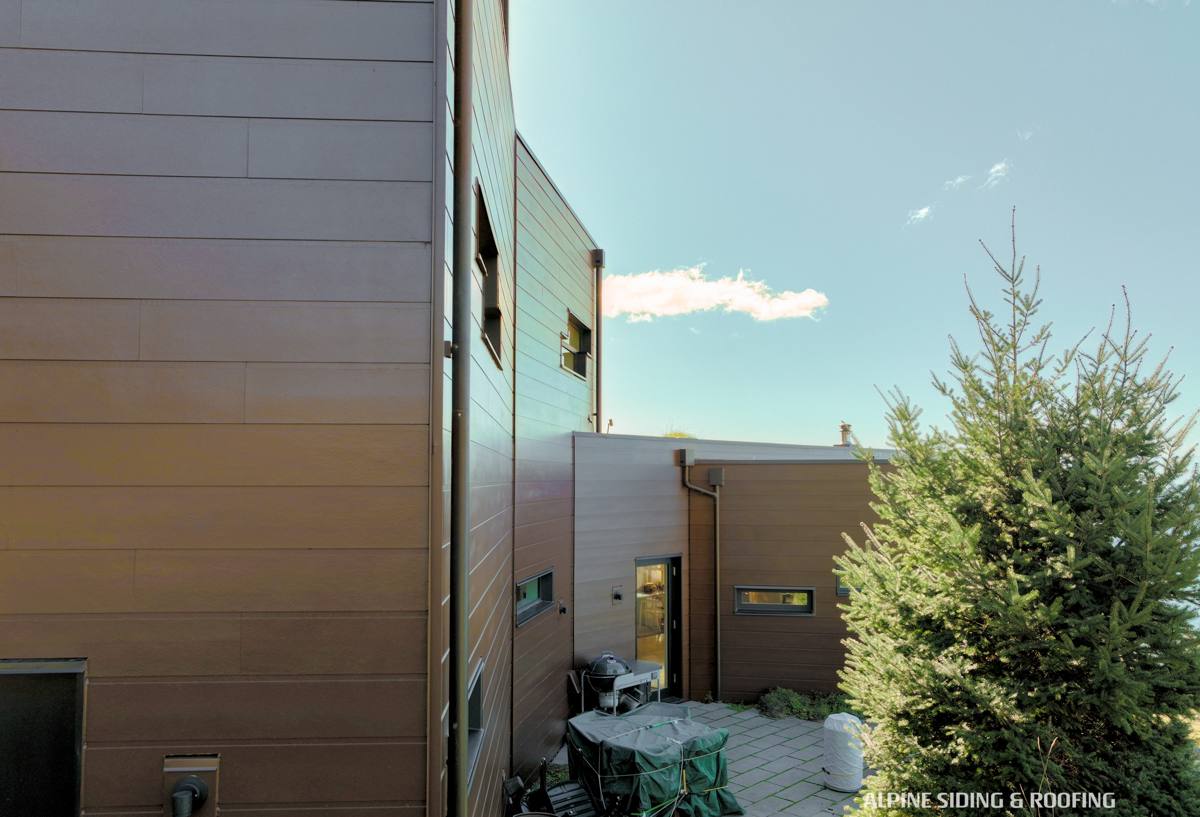
Signs Your Roof Has Storm Damage
Most homeowners can spot the obvious stuff — missing shingles, a tarp a neighbor put up, debris on the roofline. The damage that causes long-term problems is usually less obvious. After any significant wind or rain event, it's worth walking the exterior of the house and checking for the following:
- Shingles that look curled, cracked, or lifted at the edges, even if none are missing
- Granules collecting in gutters or at downspout outlets — a sign the shingle surface is degrading
- Soft spots, sagging, or discoloration on interior ceilings, especially near exterior walls
- Flashing around chimneys, vents, or skylights that looks bent, loose, or separated from the surface
- Gutters or downspouts pulled away from the fascia, which often points to wind uplift on the roof edge
- Visible daylight or gaps when looking up into the attic from below, particularly around the ridge or eaves
- A musty smell or new water stains in closets or attic spaces after a storm passes
None of these signs by themselves mean the roof needs to be replaced. But every one of them is worth a professional look, because the cost of an inspection is small compared to the cost of a slow leak that's been running behind drywall for two rainy seasons.
What a Proper Storm Damage Repair Actually Involves
Stopping the Bleeding First
If a roof has active penetration — water is getting into the attic or living space — the first job is temporary protection, not a permanent fix. That usually means tarping the affected area and making sure it's secured well enough to survive the next round of wind, not just the next dry afternoon. Rushing straight to a permanent repair before the full extent of the damage is understood is how homeowners end up paying twice.
A Real Inspection, Not a Drive-By
A correct repair starts with getting on the roof, not just looking at it from the ground. That means checking the decking underneath the shingles for soft spots or rot, examining every penetration (vents, pipe boots, chimneys, skylights), and checking the condition of the underlayment where shingles have been lifted or removed. Salt air speeds up corrosion on exposed nail heads and metal flashing, so those get closer scrutiny here than they would on a similar inspection further inland.
Matching Materials, Not Just Covering the Hole
Repairs should use shingles and flashing that match the existing roof in type, color, and where possible, manufacturer — mismatched patches are not just a cosmetic problem, they can create uneven wear patterns and voided warranty coverage on the surrounding material. When an exact match isn't available because a shingle line has been discontinued, that should be discussed with the homeowner up front, not discovered after the fact.
Sealing Against the Next Storm, Not Just This One
Wind-driven rain doesn't come straight down — it comes in sideways, which means proper repair work pays close attention to laps, seals, and fastening patterns, not just patching the visible gap. A repair that would hold up fine in a light rain but fails under wind-driven rain isn't a finished repair, it's a temporary one that hasn't failed yet.
Ordinary Wear vs. Storm Damage
| Indicator | Typical Age-Related Wear | Storm Damage |
|---|---|---|
| Granule loss | Even, gradual, across the whole roof | Concentrated in patches, often on one slope |
| Shingle condition | Brittle but flat | Creased, lifted, or torn tabs |
| Flashing | Slowly corroding, still seated | Bent, displaced, or pulled loose |
| Leak pattern | Slow, consistent stain over time | New stain appearing right after a storm |
| Insurance relevance | Generally not covered | Often covered, with documentation |
How We Handle Storm Damage Repair in Pinellas Point
Our process is built around getting the assessment right before any material goes on the roof:
- Emergency stabilization — if there's active water intrusion, we tarp and secure the area first.
- Full roof inspection — we check the entire roof, not just the area that's visibly damaged, since storm damage often shows up on more than one slope.
- Written scope and photos — you get a clear description of what's damaged, what needs to be repaired, and what can be left alone.
- Material matching — we source shingles, flashing, and underlayment that match your existing roof as closely as possible.
- Repair execution — decking replaced where needed, flashing reset or replaced, shingles installed to manufacturer fastening specs, all sealed against wind-driven rain.
- Final walkthrough — we go over the completed work with you before calling the job done.
We don't upsell a full replacement when a targeted repair will genuinely hold up. We also don't patch over damage that's going to reappear in six months just to keep the job small. The scope we give you reflects what the roof actually needs.
Working With Your Insurance Company
Storm-related roof claims are common in this part of Florida, and insurers see a lot of them, which cuts both ways — adjusters are experienced at spotting real storm damage, but they're also experienced at pushing back on borderline claims. A clear, well-documented scope of work makes a real difference here. We provide photos and a written description of the damage that you can hand directly to your adjuster or insurance company. We're not a public adjuster and we don't negotiate your claim for you, but a contractor who can clearly separate "this is storm damage" from "this is normal wear" gives your claim a much stronger foundation than a vague verbal description.
One thing worth knowing going in: not every storm-related issue is going to be covered, and not every roof needs to be replaced to satisfy a claim. We'll tell you honestly what we see, whether that supports a full claim, a partial repair, or no claim at all.
What Affects the Cost of Storm Damage Roof Repair
| Factor | Why It Matters |
|---|---|
| Extent of decking damage | Rotted or soaked decking has to be replaced before new shingles go on — this is the biggest cost swing |
| Roof pitch and access | Steeper roofs and limited access (fencing, landscaping, second stories) add labor time |
| Shingle availability | Older or discontinued shingle lines can be harder and more expensive to match |
| Number of penetrations | Chimneys, skylights, and multiple vent stacks each need individual flashing work |
| Size of the affected area | A single-slope patch costs far less than damage spread across the roof |
| Insurance involvement | Claims add documentation steps but can significantly reduce out-of-pocket cost |
We won't quote a number without seeing the roof, but we can tell you honestly during the inspection which of these factors apply to your situation and roughly where that puts you before we write up a formal estimate.
Repair or Full Replacement?
Not every storm-damaged roof needs to come off. As a general guideline:
- Repair usually makes sense when damage is limited to one area, the decking underneath is sound, and the rest of the roof still has reasonable life left in it.
- Replacement is usually the better call when damage is spread across multiple slopes, the roof was already near the end of its service life, or repeated storm cycles have left decking soft in more than one spot.
- A partial re-cover of one slope can sometimes bridge the gap, but only when the shingle can be matched closely enough that it doesn't stand out or create a warranty issue on the rest of the roof.
We'll tell you which category your roof falls into and why, rather than defaulting to whichever option is more profitable for us.
Why Hiring a Crew That Already Works in Pinellas Point Matters
A contractor who works this neighborhood regularly already knows the roof pitches and material choices that are common here, has a working relationship with suppliers who can source matching shingles quickly, and understands how fast exposed decking can deteriorate in Gulf coast humidity if a repair sits half-finished. That familiarity shows up in small but important ways — knowing which flashing details tend to fail first on a waterfront-exposed roof, or being realistic about how quickly a tarp needs to go up before an afternoon storm rolls back through.
It also matters for insurance documentation. Adjusters take a scope of work more seriously when it comes from a contractor who clearly understands the difference between storm damage and ordinary Florida sun-and-rain wear, and who isn't citing damage that doesn't hold up to a second look.
Protecting Your Roof Between Storms
A few habits go a long way toward catching problems before they turn into interior damage:
- Have the roof visually inspected after any tropical storm or hurricane watch/warning, even if nothing looks obviously wrong
- Keep gutters and downspouts clear so wind-driven rain has somewhere to go instead of backing up under the shingle edge
- Trim back tree limbs that could strike the roof during high winds
- Check attic ventilation periodically — poor airflow accelerates heat and UV damage to the underside of the roof deck
- Address small issues (a lifted shingle tab, a loose piece of flashing) as soon as they're noticed rather than waiting for the next storm to make them worse
None of this eliminates the need for repairs after a serious storm, but it does reduce how much damage accumulates between events — which, in a hurricane-prone part of Florida like St. Petersburg, is really the best any homeowner can do.
Get a Straight Answer on Your Roof
If your Pinellas Point home has been through recent wind or rain and you're not sure whether what you're seeing is storm damage or normal wear, we're happy to take a look. We'll give you a clear, honest assessment and a written estimate — no pressure, no upsell. Reach out for a free estimate using the form below.