 St. Petersburg Siding
 Windows in Euclid-St. Paul Have a Different Job to Do
Euclid-St. Paul is a settled St. Petersburg residential neighborhood with a mix of home ages and styles, and like the rest of Pinellas County it sits close enough to the water that its windows take a beating most inland homes never see. A window here isn't just glass in a frame — it's part of the building envelope that has to keep out wind-driven rain during a summer squall, hold up under hurricane-force gusts, resist UV breakdown from year-round sun, and shrug off salt air that corrodes cheap hardware in a few seasons. When a window installation is done right for this area, you stop thinking about it. When it's done wrong, you find out during the next storm — with water stains on the wall or a sash that won't stay shut.
This page covers what window installation actually involves for a Euclid-St. Paul home: what the climate demands, what a correct installation looks like, how our process works, and why local experience matters more here than it does in most parts of the country.
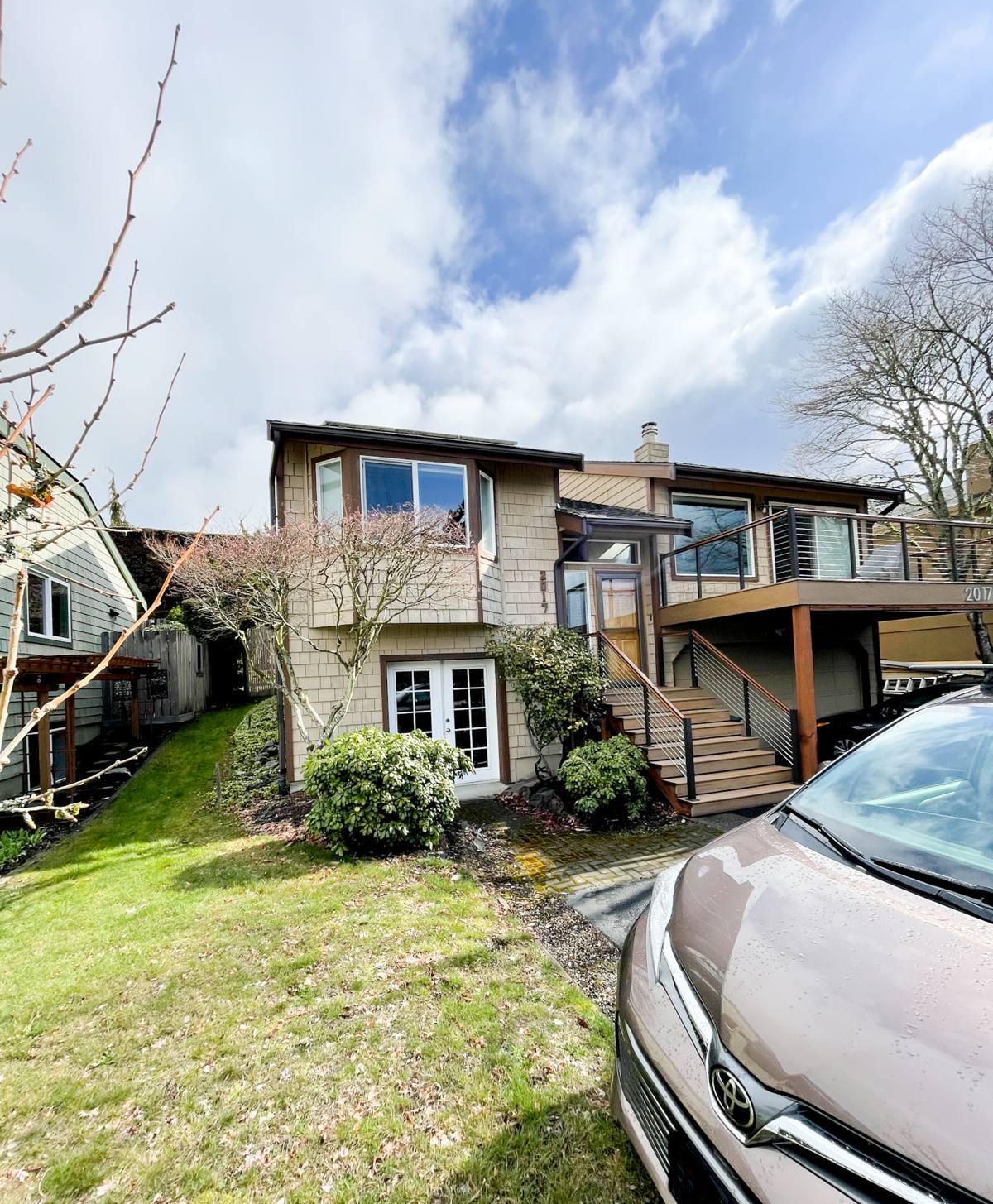
What St. Petersburg's Climate Does to Windows
Four things drive almost every window failure or premature replacement we see in this area:
Hurricane and Tropical-Storm Wind Loads
Pinellas County is a peninsula, and wind pressure on a home doesn't just push — it pulls. Negative pressure on the leeward side of a house during a storm can suck a poorly-anchored window right out of its opening, and flying debris can breach ordinary glass in seconds. Building code in this part of Florida takes that seriously, and the window you install has to match the wind zone your address falls into, not just "whatever fits the hole."
Wind-Driven Rain
Rain here doesn't fall straight down during a squall — it comes in sideways. A window can be perfectly weathertight in a light rain and still leak during a wind-driven storm if the flashing, sill pan, and sealant weren't detailed for that condition. Most leaks we're called out to fix aren't bad windows — they're bad flashing.
Year-Round UV Exposure
Florida sun is relentless on vinyl frames, seals, and low-quality glazing compounds. UV breaks down inferior vinyl formulations and rubber gaskets faster than almost anywhere else in the country, which is why the grade of vinyl or the finish on an aluminum frame matters more here than it would in a milder climate.
Salt Air Corrosion
Even a few miles inland from the bay, salt-laden air attacks unprotected steel fasteners, cheap hinge hardware, and low-grade aluminum finishes. Fasteners and hardware that aren't rated for coastal exposure can start corroding within a couple of years, long before the glass or frame shows any wear.
What a Correct Window Installation Actually Involves
A window installation is more than removing an old unit and setting a new one in the opening. Done correctly for this climate, it includes:
- Confirming the correct product rating (impact or non-impact, design pressure rating) for the specific wind zone your address falls under
- Removing the old window and inspecting the rough opening for rot, moisture damage, or out-of-square framing before anything new goes in
- Installing a proper sill pan and flashing system so any water that gets past the window sheds outward, not into the wall cavity
- Setting the window plumb, level, and square, shimmed correctly so it isn't relying on fasteners alone to hold its shape
- Anchoring with fasteners and spacing that meet the manufacturer's tested installation instructions for the wind load rating — not generic "close enough" spacing
- Sealing with the correct sealant system (backer rod plus compatible sealant, not just a bead of caulk) at the exterior joint
- Insulating the gap between the frame and rough opening with a low-expansion foam or backer material rated for window installations, so it doesn't bow the frame
- Finishing interior and exterior trim so the whole assembly is weathertight and matches the rest of the home
Skip any one of these steps and the window can still look fine on install day — the problems show up months or years later as leaks, fogged glass, or a frame that's begun to fail under wind pressure it was never actually anchored to resist.
Choosing the Right Window for a Euclid-St. Paul Home
There's no single "best" window — the right choice depends on your home's age, exposure, and what you're trying to solve (storm protection, energy bills, noise, or simple wear and tear on old single-pane units). Here's how the common options stack up for this area:
| Window Type | Best For | Trade-Offs Here |
|---|---|---|
| Impact-rated vinyl or aluminum | Homes needing code-compliant storm protection without shutters | Higher upfront cost; heavier glass adds weight to the frame and hardware |
| Non-impact with code-approved shutters or panels | Homeowners who already have (or want) removable storm protection | Requires deploying shutters before every storm; not a "set it and forget it" solution |
| Standard vinyl (non-impact, non-coastal areas) | Interior rooms or areas outside the wind-borne debris region | Not appropriate everywhere in St. Petersburg — confirm your zone before choosing this |
| Aluminum frame | Older Florida homes with existing aluminum openings | Needs a marine-grade or coastal-rated finish to resist salt air corrosion long-term |
Glass package matters as much as frame material. Low-E coatings cut solar heat gain significantly in a climate where the AC runs most of the year, and laminated glass (used in impact-rated units) also does a good job of cutting outside noise — a real benefit if the home is near a busier road.
Single-Hung, Double-Hung, or Casement?
Older St. Petersburg homes were often built with single-hung or double-hung windows, and matching that profile keeps the home's exterior look consistent. Casement windows seal tighter against wind-driven rain because the sash compresses against the frame rather than sliding, which is worth considering on walls that take the brunt of prevailing wind and weather.
Our Window Installation Process
- On-site assessment — We look at your existing windows, the condition of the rough openings, your home's exposure, and confirm what wind zone and code requirements apply to your address.
- Product selection — We walk through frame material, glass package, and impact rating options based on your budget and what the home actually needs, not just what's easiest to sell.
- Measurement and ordering — Openings are measured precisely; manufactured-to-order windows take time to arrive, and we'll give you a realistic timeline up front.
- Permitting — Window replacements in St. Petersburg typically require a permit, especially for impact-rated or structural changes. We handle the permit application and inspection scheduling.
- Removal and inspection — Old windows come out, and we check the framing underneath for hidden rot or moisture damage before anything new goes in — this is where problems get caught early instead of getting sealed behind a new window.
- Installation — Flashing, sill pan, anchoring, insulation, and sealant go in per manufacturer specs and the wind load rating required.
- Trim and cleanup — Interior and exterior trim is finished, the site is cleaned, and old windows are hauled away.
- Final inspection — Where a permit was pulled, we coordinate the final county or city inspection so everything is documented and closed out correctly.
Permits and Wind Zone Requirements in Pinellas County
Most window replacement work in St. Petersburg requires a building permit, and the product you install has to meet the design pressure and impact standards that apply to your specific address. A significant portion of Pinellas County falls within the wind-borne debris region under the Florida Building Code, which generally means glazing has to be either impact-rated or protected by code-approved shutters — but the exact requirement depends on your property's location and the local permitting office's determination, not a blanket rule for the whole county. We pull the permit, confirm what applies to your address specifically, and make sure the installed product's approval documentation (Notice of Acceptance or Florida Product Approval number) is on file, which matters for both the inspection and for insurance purposes down the road.
Common Mistakes We See on Older Installations
When we're called out to fix a leaking or failing window in this neighborhood, the problem is almost always one of these:
- No sill pan flashing — water gets behind the window and into the wall cavity instead of draining back out
- Caulk used as the primary seal instead of a proper sealant system with backer rod, so the joint fails within a couple of years
- Wrong fastener spacing or type — reduces the actual wind resistance of the window well below its rating
- Non-rated hardware — standard steel screws or hinges that corrode quickly in salt air instead of coastal-rated fasteners
- Foam over-filled around the frame — bows the frame inward and causes the sash to bind or stop sealing properly
- Mismatched glass rating — a non-impact window installed in an opening that code requires to be impact-rated for that location
Most of these mistakes aren't visible on install day. They show up as a leak after the next big storm, a sash that's hard to open, or fogging between the panes a year or two later.
Maintaining Your Windows in a Coastal Climate
Even a correctly installed window needs some upkeep in this environment. A simple annual routine keeps small issues from becoming replacements:
- Rinse frames and tracks with fresh water periodically to clear salt residue, especially on homes closer to the bay
- Check exterior caulk lines each year for cracking or separation and re-seal before the rainy season
- Lubricate hardware (locks, hinges, rollers) with a silicone-based lubricant rather than an oil-based one, which attracts grit
- Inspect weep holes on aluminum and vinyl frames to make sure they're clear and draining
- Watch for fogging between panes on insulated glass units — it signals a failed seal, not something that can be cleaned
- After any major storm, check for new gaps, cracked glazing, or water intrusion around the frame
Why It Matters to Hire a Crew That Already Works in Euclid-St. Paul
A window installer who works this neighborhood regularly already knows what wind zone applies, which permitting office to deal with, and what kinds of framing and rough-opening conditions are common in homes of this area's age range. That's not a small thing — it's the difference between an installer guessing at requirements and one who's already pulled permits for similar homes nearby. Local experience also means faster response if a storm damages a window and you need someone who understands both the urgency and the code requirements for the repair.
We're a Pinellas County-based crew, and window installation for coastal Florida conditions — hurricane wind loads, wind-driven rain, UV, and salt air — is what we do day in and day out, not an occasional job type we take on.
What Affects the Cost of a Window Installation
| Factor | Why It Matters |
|---|---|
| Impact vs. non-impact glass | Impact-rated glass costs more upfront but eliminates the need for separate storm shutters |
| Number of openings | Per-window cost typically drops on larger whole-home projects |
| Frame material | Vinyl, aluminum, and composite frames carry different material and labor costs |
| Opening condition | Rotted or out-of-square framing adds repair work before the new window goes in |
| Permit and inspection requirements | Permitted work adds administrative time and inspection scheduling to the timeline |
| Custom sizing | Non-standard openings require made-to-order units, which cost more than stock sizes |
We give you an honest, itemized number after seeing the actual openings — we don't quote sight-unseen, because the condition behind the old window matters as much as the window itself.
If you're weighing a window replacement in Euclid-St. Paul, we're happy to take a look and walk you through what your specific home needs — no pressure, no obligation. Fill out the form below for a free estimate.