 St. Petersburg Siding
 Why Old Northeast Homes Need a Different Approach to Siding
Old Northeast is one of St. Petersburg's older established neighborhoods, and that history shows up in the housing stock: bungalows, Mediterranean Revival homes, and mid-century additions sitting on lots with mature tree canopy just a few blocks from Tampa Bay. Many of these homes have been re-sided at least once already, sometimes with materials that were never rated for what Pinellas County weather actually does over a few decades. When we replace siding in this neighborhood, we're not just swapping old boards for new ones — we're correcting decisions made years ago that didn't account for salt air, humidity, and storm exposure.
A siding replacement here has to do three things at once: survive the climate, respect the character of an older home, and hold up without constant upkeep. That's a narrower set of requirements than a generic "re-side the house" job, and it changes what material and installation approach actually make sense.
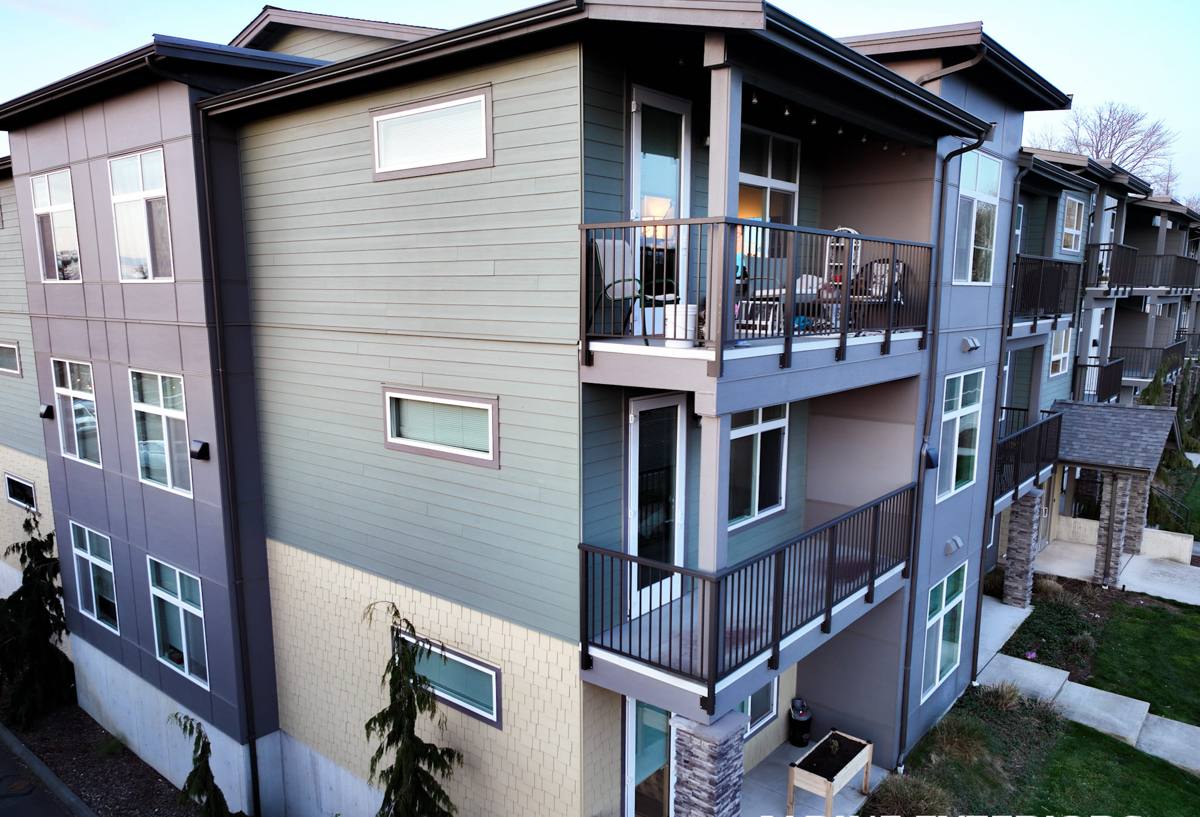
What St. Petersburg's Climate Does to Siding Over Time
St. Petersburg sits close enough to the water that salt-laden air is a daily fact of life, not an occasional event. Combine that with intense year-round UV exposure, wind-driven rain during summer storms, and the real risk of hurricane-force winds, and you get a set of conditions that stresses siding in specific, predictable ways:
- Salt air corrosion and staining: Airborne salt accelerates the breakdown of paint films and can pit or discolor lower-grade materials over time.
- UV degradation: Florida sun fades color and dries out organic materials faster than almost anywhere else in the country.
- Wind-driven rain intrusion: Rain doesn't just fall here — it gets pushed sideways into seams, laps, and fastener points during storms.
- Wind load during hurricanes: Siding has to stay fastened and intact under sustained high winds, not just look good on a calm day.
- Humidity and moisture cycling: Constant humidity means anything that traps water behind it stays wet longer, which is where rot and mold problems start.
None of this is unique to Old Northeast, but the neighborhood's age means more homes here are due for a second or third siding decision, and more of them are still carrying materials that were installed before these failure patterns were well understood.
What We See on Older Homes in This Neighborhood
The most common issues we run into on Old Northeast siding replacements are soft or delaminating wood substrate at the bottom courses, paint that's failed years ahead of schedule because it was never rated for coastal UV exposure, and trim or lap joints that were caulked instead of properly flashed — which works for a while and then fails all at once during a hard rain event.
Why Fiber Cement Is the Right Call Here
We install James Hardie fiber cement siding exclusively, and in a neighborhood like Old Northeast that's not a marketing preference — it's a practical response to the conditions above. Fiber cement doesn't rot, doesn't feed insects, and doesn't absorb moisture the way wood-based products do. It's also non-combustible, which matters on older lots where homes sit closer together than modern setback standards would allow.
Hardie's HZ5 product line is engineered specifically for high-humidity, wind-driven-rain climates like ours, and the ColorPlus factory finish is baked on and warranted against fading in a way field-applied paint simply can't match under Florida UV. For a neighborhood full of older homes that have already been through one bad siding decision, that combination of moisture resistance, wind performance, and finish durability is what makes the replacement actually last.
Matching the Character of an Older Home
One thing homeowners in Old Northeast ask about consistently is whether replacing siding means losing the architectural detail that makes these homes distinct — trim profiles, lap reveals, board spacing. Fiber cement is available in a range of plank widths, textures, and trim profiles, which gives us the flexibility to match or respectfully update a home's existing look rather than flattening it into something generic.
What a Correct Siding Replacement Actually Involves
Ripping off old siding and nailing up new boards is the easy part. The work that actually determines whether a siding job survives its first major storm happens underneath, and it's the part that's invisible once the job is done.
- Full tear-off and substrate inspection: We remove the existing siding completely and inspect the sheathing underneath for rot, soft spots, or prior water damage — common on homes with a history of moisture intrusion.
- Substrate repair: Any compromised sheathing or framing gets replaced before anything new goes up. Siding installed over damaged substrate fails early, regardless of the product.
- Weather-resistive barrier: A properly lapped and sealed water-resistive barrier goes on next, giving the wall a second line of defense if any moisture gets past the siding.
- Correct flashing at every penetration: Windows, doors, vents, and roof lines all get properly integrated flashing — not just caulk — since caulk is a maintenance item, not a waterproofing system.
- Manufacturer-spec fastening: James Hardie siding has specific fastener patterns and spacing requirements for wind zones like ours. Following spec is what preserves the wind rating and the warranty.
- Factory-finished planks installed to reveal spec: Correct lap reveal and joint treatment keep water moving off the wall instead of collecting behind it.
A Quick Homeowner Checklist Before You Sign a Contract
- Does the estimate include full tear-off, or is it a re-side over existing siding?
- Is substrate repair priced separately, or is it a vague allowance?
- Does the contractor specify a weather-resistive barrier by name?
- Are fastener type and spacing called out, or just "installed per standard practice"?
- Is the material a genuine James Hardie product line, with documentation you can verify?
- Does the written warranty cover both material and labor, and is it transferable if you sell?
Our Process for Old Northeast Projects
| Step | What Happens |
|---|---|
| Initial walkthrough | We inspect existing siding, trim, and visible substrate condition, and talk through your goals for color and profile. |
| Written estimate | A detailed scope covering tear-off, substrate repair allowances, material, flashing, and fastening — no vague line items. |
| Material selection | Choosing plank width, texture, and ColorPlus finish to fit the home's architecture and your preference. |
| Tear-off and inspection | Old siding comes off, sheathing is inspected, and any damage is documented before covering it back up. |
| Installation | Barrier, flashing, and fiber cement installed to manufacturer spec for our wind zone. |
| Final walkthrough | We review the finished job with you and go over warranty documentation and basic care. |
What This Type of Project Typically Costs
Every home is different, and the honest range depends heavily on square footage, how much substrate repair is needed, trim complexity, and story height. What we can tell you is which factors move the number most:
| Cost Factor | Why It Matters |
|---|---|
| Substrate condition | Rot or water damage found during tear-off adds repair cost, but skipping it guarantees premature failure. |
| Home size and stories | More wall area and taller elevations mean more material and labor, plus added scaffolding needs. |
| Trim and architectural detail | Older homes with more ornamental trim take longer to fit and finish correctly. |
| Plank profile and finish | Wider reveals, textured finishes, and certain ColorPlus colors carry different material costs. |
| Access and site conditions | Mature landscaping and tight lot lines common in this neighborhood can add labor time. |
We give firm, itemized numbers after an in-person inspection — not a phone estimate — because substrate condition on an older home is the single biggest unknown until we open the wall up.
Why a Crew That Already Works This Neighborhood Matters
Old Northeast has enough shared characteristics — home age, lot layout, proximity to the water, mature trees — that experience here translates directly into a better job. A crew that's worked this neighborhood knows what to expect when they pull the first course of siding off a 1920s bungalow versus a 1960s addition, and they know which flashing details tend to have been skipped the last time the house was re-sided. That's the difference between an estimate that's accurate on day one and one that turns into change orders mid-project.
It also matters for permitting and wind-load compliance. Pinellas County inspection standards and the wind zone requirements for this part of St. Petersburg are things a locally established crew handles routinely, rather than looking up mid-project.
Maintaining Fiber Cement Siding in a Coastal Climate
One of the practical benefits homeowners notice after switching to Hardie fiber cement is how little upkeep it demands compared to what they had before. A periodic rinse to clear salt residue, prompt caulk touch-ups at trim joints, and keeping irrigation from spraying directly on the wall are about the extent of it. There's no repainting cycle to plan around, since the ColorPlus finish is factory-applied and warranted separately from the substrate.
Ready for an Honest Look at Your Siding?
If your home in Old Northeast is showing paint failure, soft spots, or siding that's simply reached the end of its service life, we're happy to come take a look and give you a straight answer about what's going on and what it would take to fix it right. Reach out for a free, no-pressure estimate — there's a form below to get started.