 St. Petersburg Siding
 Why Seminole Siding Takes a Different Kind of Beating
Seminole sits close enough to the Gulf that homes here deal with a mix of stressors most inland Florida towns don't see all at once. Hurricane-force winds during storm season flex and lift siding panels. Intense, near-constant UV bakes finishes and fades color unevenly. Wind-driven rain gets forced sideways into laps, corners, and trim joints that were never designed to handle water moving that direction. And salt air, carried in off the Gulf and Boca Ciega Bay, works on fasteners, caulk, and painted surfaces year-round, not just during a named storm.
None of these factors is unique to Seminole on its own. What's different is that homes here catch all four at the same time, for most of the year. A siding repair that would hold up fine in a drier, calmer inland market can fail again within a couple of seasons if it doesn't account for what this specific stretch of Pinellas County actually throws at a house.
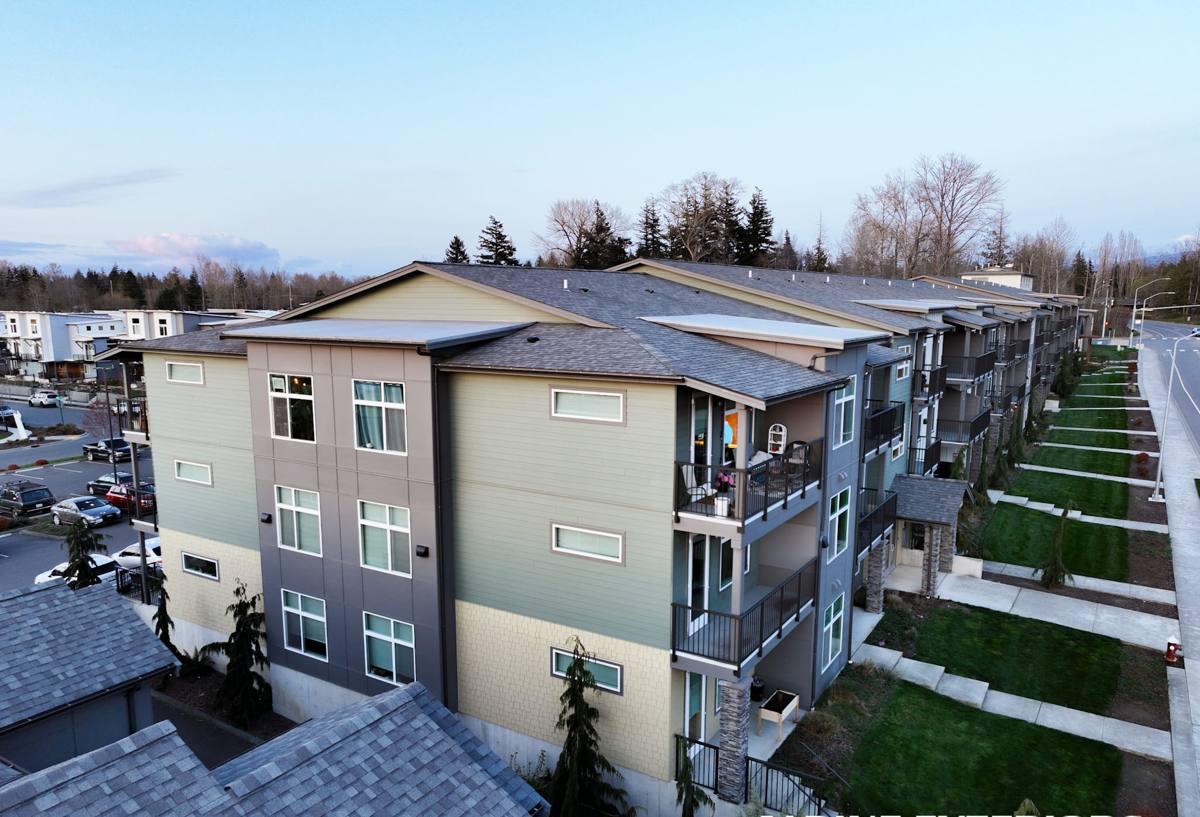
What Siding Damage Actually Looks Like on Seminole Homes
Most homeowners notice siding problems well after they've started. Catching the early signs saves money because it usually means a repair instead of a larger, more expensive fix later.
Early Warning Signs
- Hairline cracks or splitting at panel butt joints, usually where two pieces meet
- Nail pops or fasteners backing out, often visible as small raised dots under paint
- Warping or buckling, especially on walls that get direct afternoon sun
- Chalky, faded, or blotchy paint that doesn't match the rest of the wall
- Soft spots, staining, or a musty smell near the bottom courses or around windows
- Gaps opening up at corner trim, window trim, or where siding meets the roofline
Any one of these, caught early, is usually a straightforward repair. Left alone through another hurricane season, wind-driven rain finds its way behind the panel, and what started as cosmetic becomes a moisture and rot problem in the wall assembly underneath.
Where Damage Concentrates
On Seminole homes we consistently see damage cluster in a few predictable spots: the walls that face prevailing wind and afternoon sun, the bottom few courses closest to grade and sprinkler overspray, and anywhere flashing or trim creates a seam — window heads, corner boards, and the transition where siding meets a roof or porch. If you're doing your own walk-around inspection, start there.
Repair or Replace? How We Actually Decide
Not every damaged section needs a full re-side, and we're not going to tell a Seminole homeowner they need a whole-house replacement when a targeted repair will genuinely hold up. The honest answer depends on how far the damage has spread and what's happening behind the surface.
| Signs It's a Repair | Signs It's Time to Replace |
|---|---|
| Damage limited to one or two isolated panels or a single wall section | Damage shows up in multiple, unrelated areas of the house |
| Sheathing behind the siding is still dry and sound | Probing finds soft, spongy, or rotted sheathing in more than one spot |
| Siding is a material that can still be sourced or reasonably matched | Existing siding is discontinued, mismatched, or has been patched repeatedly already |
| Cracking or fading is cosmetic, with no moisture intrusion found | Recurring moisture problems keep reappearing after past repairs |
| The siding is under 10-12 years old and otherwise in good shape | The siding is old enough that it's nearing the end of its realistic service life |
When we're on-site, we'll tell you plainly which column your house falls into — and if it's borderline, we'll walk you through the trade-offs rather than defaulting to the bigger job.
What a Correct Repair Actually Involves
A siding repair that just covers the visible crack or swaps a warped board without addressing what's underneath is a repair that fails again. Here's what we check and do on every job, not just the parts a homeowner can see from the driveway.
Before Any New Material Goes Up
- Remove the damaged section fully — not just the worst-looking piece — to see how far the problem actually extends
- Check the sheathing and house wrap underneath for softness, staining, or existing moisture damage
- Inspect flashing at any nearby window, door, or roofline for gaps or failure that let water in to begin with
- Confirm fastener pattern and spacing meet the manufacturer's requirements for high-wind zones
- Address the actual cause of the damage, not just the symptom — a repeat crack in the same spot usually means something behind it needs attention
Matching and Finishing
Matching existing siding — profile, reveal, and color — matters more than it sounds like it should. A visibly mismatched patch is the easiest way to tell a repair was done quickly instead of correctly. Where an exact match isn't realistic, we'll say so up front rather than let you find out after the fact.
Why Material Choice Matters Even for a Repair
We only install James Hardie fiber cement siding, and that standard shapes how we approach repairs too. When a homeowner's existing siding is vinyl, LP SmartSide, or another engineered wood product and it's failing in a way that's about to become a pattern — not a one-time storm hit — we'll be straight with you about what we're seeing and why.
Vinyl siding can crack in cold snaps and warp or distort in intense, sustained heat, and it's prone to fading unevenly under the kind of year-round UV Seminole gets. Engineered wood products like LP SmartSide perform well when installation and maintenance stay perfect, but they depend on an intact factory coating and sealed edges to resist moisture — and once wind-driven rain finds a gap, the wood-based core can swell or deteriorate in a way that's harder to spot until it's advanced. These aren't defects so much as trade-offs built into what those materials are.
James Hardie fiber cement doesn't share those particular vulnerabilities. It's non-combustible, holds up to sustained UV without the same fading pattern, and its ColorPlus factory finish is engineered to resist the chipping and peeling that salt air accelerates on field-painted surfaces. The HZ5 product line is specifically engineered for high-humidity, storm-prone climates like ours. That's why, when a repair reveals that a section of siding is failing structurally rather than just cosmetically, our recommendation is to replace that section — or eventually the wall — in Hardie rather than patch a material that's already showing its limits.
To be clear: we'll repair what's there when a repair is the honest answer. We're not going to talk a homeowner into a bigger job than the damage calls for. But when the material itself is the reason the damage keeps recurring, we'll say so.
Our Repair Process, Step by Step
- Initial call or estimate request — tell us what you're seeing; a rough description helps us come prepared
- On-site inspection — we check the visible damage, probe for hidden moisture, and inspect surrounding areas that commonly fail together
- Written, itemized quote — what we're repairing, why, and what it involves, before any work starts
- Scheduling around weather — in Pinellas County, that means working around hurricane season timing and daily storm patterns, not against them
- The repair itself — proper removal, moisture and flashing checks, correct fastening, and material matched as closely as realistically possible
- Cleanup and walkthrough — we show you what was done and what to watch going forward
Why a Crew That Already Works Seminole Matters
Siding repair isn't just a materials question — it's a local-knowledge question. A crew that regularly works St. Petersburg and the surrounding Pinellas County communities knows what wind exposure and salt air actually do to a house here versus what a generalist crew might assume from experience in a different climate. That shows up in small but real ways: knowing which wall orientations to check first, understanding the wind-load fastening requirements that apply in this area, and being able to respond quickly before or after a storm rather than weeks out because a crew is based somewhere else and only passes through occasionally.
It also matters for accountability. A local crew has a reputation in the community to stand behind, and it's easier to get a straight answer and a follow-up visit from a company that works in Seminole regularly rather than one that treated your repair as a one-off stop.
Protecting Your Siding Between Repairs
Whether you go with a targeted repair now or plan a larger project later, a few habits slow down the damage cycle that Seminole's climate creates.
- Rinse siding periodically to clear salt residue, especially on walls facing prevailing wind
- Trim back landscaping so sprinklers and irrigation don't constantly wet the bottom courses
- Re-caulk gaps at trim and window edges before they widen enough to let water behind the siding
- Walk the exterior after any major storm and look for the early warning signs listed above
- Address small cracks or nail pops promptly instead of waiting for the next inspection cycle
None of this replaces a proper inspection, but it buys time and keeps small issues from becoming structural ones.
Get an Honest Look at What Your Siding Needs
If you're seeing cracking, warping, staining, or storm damage on your Seminole home, we're happy to take a look and give you a straight answer about whether it's a repair, a partial replacement, or something that can wait. There's no pressure and no obligation — just a clear assessment from a crew that already knows this area. Fill out the form below to schedule your free estimate.