 St. Petersburg Siding
 Seminole sits close enough to the Gulf that salt air, wind-driven rain, and storm winds are part of daily life for every home in the area, whether it's a block ranch off Park Boulevard or a newer build near Lake Seminole. Siding here doesn't get an easy run. It faces sun that fades and breaks down lesser materials, humidity that never really lets up, and the occasional named storm that tests every seam, fastener, and joint on the exterior. James Hardie fiber cement siding is the one product we've found holds up to that combination without turning into a maintenance project. This page covers what Hardie siding actually needs to do for a Seminole home, what a correct installation looks like, and how we handle the job from first call to final walkthrough.
Why Seminole's Climate Is Hard on Siding
Pinellas County homes deal with a specific mix of stressors that doesn't exist in most of the country. Understanding them is the whole reason product choice and installation quality matter more here than almost anywhere else.
Salt Air and Humidity
Seminole isn't oceanfront, but it's close enough to Boca Ciega Bay and the Gulf that airborne salt reaches every exterior surface. Combined with Florida's year-round humidity, that salt accelerates corrosion on fasteners, trim, and any material that isn't built to resist it. Siding that traps moisture behind it, rather than shedding it, ends up rotting or delaminating from the inside where you can't see it happening.
UV Exposure
Central Florida gets some of the most intense, consistent sun exposure in the continental U.S. Painted and coated surfaces chalk, fade, and crack under that kind of exposure faster than most homeowners expect. A siding product's factory finish has to be engineered for this, not just rated for it on paper.
Wind-Driven Rain and Hurricane Winds
When a storm comes through, rain doesn't fall straight down here — it drives sideways into every lap, seam, and penetration in the siding system. Add hurricane-force gusts and any weakness in fastening pattern, panel overlap, or flashing detail becomes the point where water gets behind the wall. That's when you get hidden rot, mold, and sheathing damage that costs far more to fix than the siding itself.
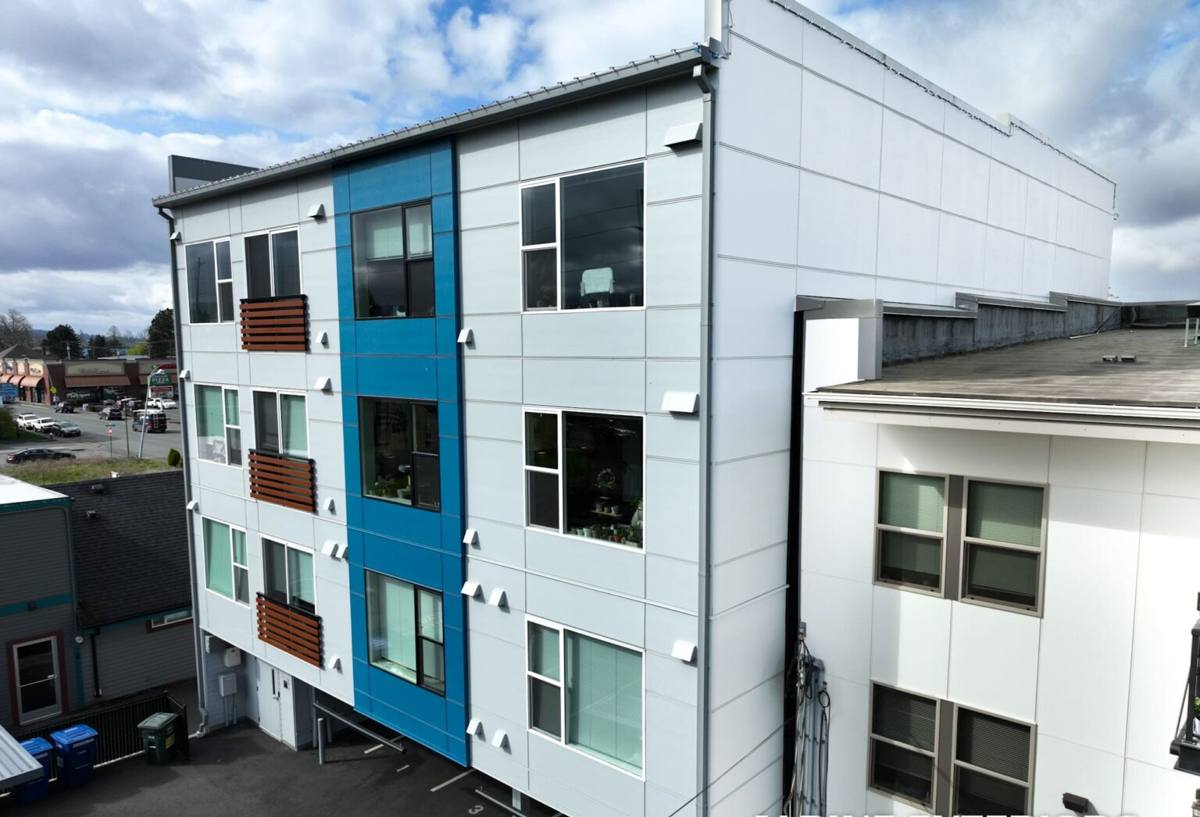
Why We Only Install James Hardie in Seminole
We made a decision years ago to install James Hardie fiber cement exclusively — no vinyl, no LP SmartSide, no Cemplank or Allura, no primed wood. That's not a marketing angle; it's a standard we hold because of what this climate does to alternatives.
- Non-combustible: Fiber cement doesn't feed a fire the way wood-based products can, which matters for insurance considerations as much as safety.
- Moisture-stable: Hardie's fiber cement formulation doesn't swell, warp, or absorb water the way engineered wood siding can when a seam fails or a fastener backs out.
- Factory-cured finish: ColorPlus finish is baked on in a controlled environment, which holds color and resists fading far better than field-applied paint under Florida sun.
- Built for this exact climate: Hardie's HZ5 product line is engineered specifically for high-humidity, high-moisture regions like the Gulf Coast — it's not a generic national product with a regional sticker slapped on.
We're not going to tell you vinyl or LP SmartSide are junk — they have legitimate uses in the right climate. But we won't put them on a Seminole roofline knowing what salt air, UV, and storm-driven rain do to them over a 15-20 year window. Hardie is the product we're willing to stand behind here.
What a Correct James Hardie Installation Requires
Hardie siding is only as good as the installation behind it. The material is engineered well; most of the failures we get called out to inspect trace back to installation shortcuts, not the product itself.
Water Management Comes First
Before a single plank goes up, the water-resistive barrier and flashing details around windows, doors, and penetrations have to be right. Hardie siding is durable, but it's still a rainscreen system — it needs a correctly lapped weather barrier behind it and proper flashing to direct water back out, not into the wall assembly.
Fastening Pattern and Clearances
James Hardie publishes specific fastener spacing, type, and embedment requirements, along with minimum clearances from grade, roof lines, and decks. In a wind-driven-rain climate, gaps or shortcuts here are exactly where water finds its way in. Manufacturer-spec fastening also matters for wind uplift resistance during storm events.
Caulking and Joint Treatment
Butt joints, corners, and trim intersections need the right sealant, applied correctly, and that sealant needs to be a product compatible with ColorPlus finish so it doesn't discolor or fail early. We use Hardie's recommended sealants and joint details rather than whatever's cheapest at the supply house.
Painted Cut Edges
Every field cut exposes raw fiber cement that needs to be sealed with touch-up paint before installation. Skipping this is a small shortcut that lets moisture into the cut edge over time — a common source of long-term siding problems that's invisible at installation but shows up years later.
Our Process for Seminole Homes
| Step | What Happens |
|---|---|
| 1. On-site assessment | We inspect existing siding, sheathing condition, and any moisture or rot issues before quoting anything. |
| 2. Product and color selection | Walk through Hardie board profiles (lap, shingle, panel) and ColorPlus color options suited to the home and neighborhood. |
| 3. Tear-off and sheathing check | Remove old siding, inspect sheathing for hidden water damage, repair or replace before new siding goes up. |
| 4. Weather barrier and flashing | Install or verify the water-resistive barrier and flashing at every penetration per manufacturer spec. |
| 5. Hardie installation | Install siding to James Hardie's fastening, clearance, and joint specifications. |
| 6. Final detailing | Seal cut edges, caulk joints with compatible sealant, and complete trim work. |
| 7. Walkthrough | Review the finished job with the homeowner and confirm everything matches what was quoted. |
Cost Factors for a Seminole Hardie Siding Job
Every home is different, but the variables that move the price are consistent. Understanding them ahead of time makes it easier to evaluate any quote you receive, including ours.
| Factor | Why It Matters |
|---|---|
| Home size and wall complexity | More square footage, more corners, gables, and dormers all add labor time. |
| Existing siding removal | Tear-off of old vinyl, wood, or stucco adds cost versus a bare-sheathing new build. |
| Sheathing repair | Hidden rot or water damage found during tear-off has to be fixed before new siding goes up — this is often the biggest variable. |
| Board profile and trim detail | Shingle-style or complex trim packages cost more in labor than straight lap siding. |
| Color | Standard ColorPlus colors versus custom or premium finishes affect material cost. |
We give straightforward written estimates that break these out, so you can see exactly what you're paying for rather than a single lump number.
Signs a Seminole Home Needs Siding Attention
- Visible cracking, buckling, or warping in current siding, especially after storm season
- Soft spots or spongy areas when pressed near the base of walls or below windows
- Persistent paint or finish failure that keeps needing touch-up
- Visible gaps at seams, corners, or trim where daylight or drafts get through
- Musty odor or discoloration on interior walls that back up to exterior siding
- Siding that's original to a home built more than 20 years ago
None of these automatically mean full replacement, but they're worth a real inspection rather than a patch-and-hope approach, particularly heading into another hurricane season.
Maintenance After Installation
One of the practical advantages of Hardie fiber cement in this climate is how little ongoing maintenance it needs compared to wood-based or vinyl alternatives. It still benefits from basic care:
- Rinse with a garden hose periodically to remove salt residue and airborne grime
- Inspect caulked joints annually and have any cracked or failed sealant redone
- Keep sprinklers and irrigation from spraying directly on siding long-term
- Have storm damage inspected promptly rather than waiting for the next season
ColorPlus finish is designed to go 15 years or more before a repaint is even a consideration, which is a real difference from field-painted materials in a climate this hard on exterior coatings.
Why Local Installation Experience Matters
A crew that's worked Seminole and the broader St. Petersburg area knows the difference between a spec sheet and how a house actually behaves in a Gulf Coast storm. That means knowing which flashing details actually hold up to wind-driven rain here, understanding how salt air affects fastener choice over time, and having a track record of jobs that have already been through a hurricane season or two. It also means we're a known, reachable local company if a warranty question or storm-related concern comes up later — not a crew that installed once and moved on to the next region.
If you're weighing a siding replacement or repair for a Seminole home, we're happy to take a look and give you a straightforward, no-pressure estimate — just fill out the form below.