 St. Petersburg Siding
 Windows Built for What Disston Heights Actually Deals With
Disston Heights is one of St. Petersburg's older, established neighborhoods, and that means a lot of the housing stock still has original or long-outdated windows — some from before modern Florida building code existed. Those windows weren't designed for what Pinellas County throws at a house year after year: hurricane-force wind gusts, wind-driven rain that finds its way through the smallest gap, intense UV exposure nearly every day of the year, and salt-laden air drifting in off the Gulf and Tampa Bay. None of that is unique to Disston Heights, but it's a real, daily condition every window on your house has to survive, not just during a named storm.
Custom windows means we're not handing you a stock size off a truck and caulking around the gaps. We measure your actual openings, account for how your walls are built, match frame and glass specs to your home's wind exposure, and install to a standard that holds up under sun, salt, and storm pressure — not just to pass a quick visual inspection.
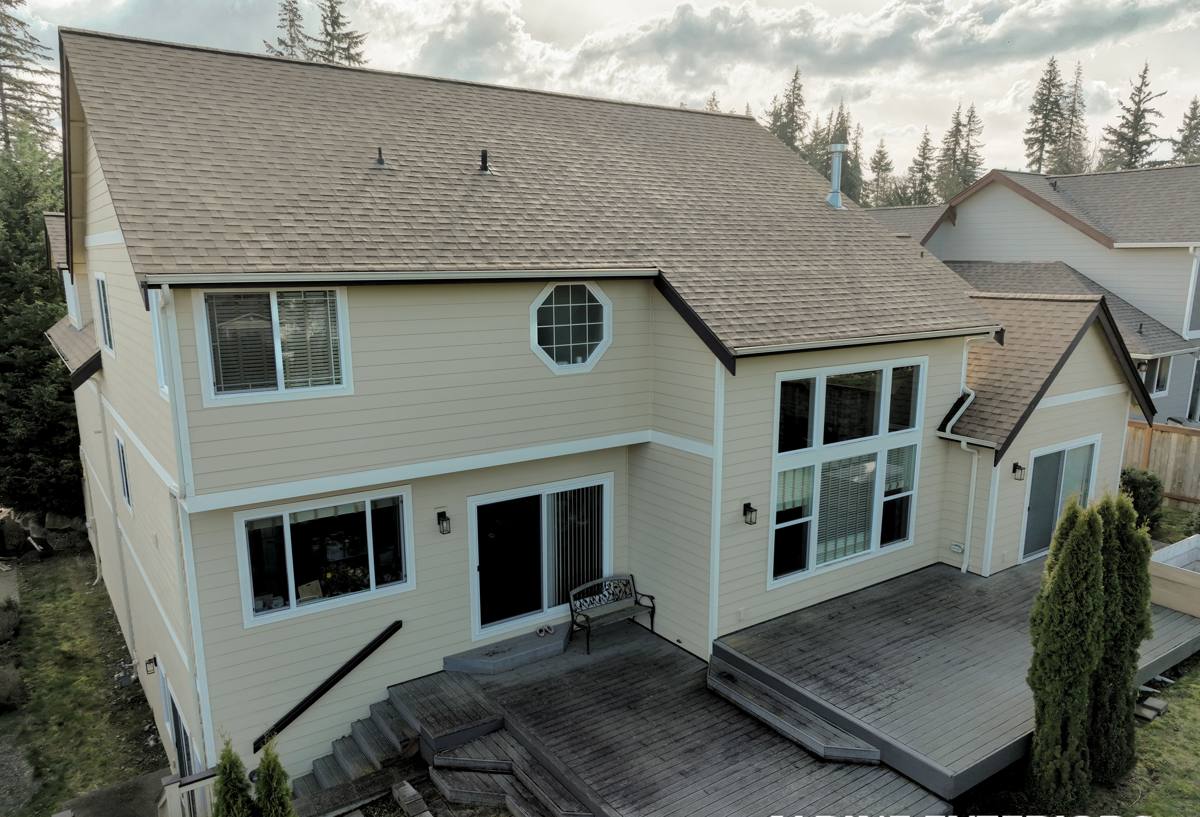
What "Custom" Really Means Here
A lot of homeowners hear "custom windows" and assume it just means a fancier shape or a special color. In practice, custom window work for a neighborhood like Disston Heights usually comes down to fit and performance, not looks:
- Older homes often have openings that are slightly out of square or a non-standard size — custom-sized units avoid the shims, fillers, and gaps that let water and wind in.
- Matching glass package (impact-rated, laminated, low-E coatings) to which side of the house takes the most sun and wind.
- Frame material chosen for how it will hold up to salt air and UV over 15-20 years, not just how it looks on day one.
- Correct flashing and waterproofing detail for your specific wall assembly — stucco, block, or wood-frame construction each need a different approach.
Done right, custom windows should look like they belong on the house, function properly for decades, and actually perform in a storm — not just meet the minimum code requirement on paper.
The Local Climate Factors That Drive the Decisions
Hurricane and high-wind exposure
Pinellas County requires windows to meet Florida Building Code wind-load and wind-borne-debris standards for our region. St. Petersburg isn't in the state's High-Velocity Hurricane Zone (that's Miami-Dade and Broward), but we're still squarely in a wind-borne debris region, which means product approval, anchoring, and installation method all matter — not just the glass itself.
UV exposure
Florida sun is hard on everything, including window frames and seals. Constant UV breaks down cheap vinyl, dries out inferior sealants, and fades interior finishes near unprotected glass. The frame material and glass coating you choose have a direct effect on how much heat and UV actually make it into the house.
Wind-driven rain
Straight-down rain is easy to keep out. Wind-driven rain — the kind that comes sideways during a tropical storm or even a strong summer thunderstorm — is what actually gets into poorly flashed or aging window openings. Most window leaks we're called out to inspect aren't a glass problem at all; they're a flashing or sealant failure.
Salt air
Being close to both the Gulf and Tampa Bay means salt in the air corrodes hardware, pits certain metals, and accelerates wear on lower-grade components faster than it would inland. Hardware and frame material selection matter more here than they would in a landlocked climate.
Signs Your Current Windows Are Already Failing
Most homeowners don't realize their windows are underperforming until there's an obvious problem. Here's what to watch for:
- Fogging or moisture between panes of double-glazed units — the seal has failed
- Windows that are hard to open, close, or lock, or that rattle in the wind
- Visible daylight or a draft around the frame when the window is closed
- Soft or discolored drywall, wood, or stucco near the window opening
- Paint or caulk that's cracked, chalky, or pulling away from the frame
- A noticeable rise in cooling costs with no other explanation
- Frames that feel warm to the touch on a hot day, indicating poor insulation
If you're seeing more than one or two of these, it's worth having the windows looked at before the next storm season rather than after a leak shows up.
Comparing Your Options
There's more than one way to harden windows against Florida weather, and each comes with real trade-offs. We'll walk through what makes sense for your specific home rather than pushing one option across the board.
| Option | Storm Protection | Daily Comfort | Maintenance |
|---|---|---|---|
| Impact-rated windows | Permanent, built into the glass | Better UV/noise control, no setup needed | Low — no shutters to store or deploy |
| Standard windows + shutters | Good, but requires deployment before a storm | Depends entirely on the window itself | Higher — shutters need storage, tracks, and upkeep |
| Standard windows + film | Helps against debris, not a full impact solution | No real UV or noise improvement | Film can degrade and needs eventual replacement |
We install impact-rated custom windows as our standard recommendation for most Disston Heights homes because it's the option that protects the house whether or not anyone is home to put up shutters, and it pulls double duty every non-storm day by cutting UV and outside noise. That said, budget and your home's condition are real factors, and we'll be straight with you about what fits.
Frame Material: What Holds Up Here
Frame choice matters as much as the glass in a salt-air, high-UV climate:
Vinyl
Cost-effective and low-maintenance, but quality varies a lot between manufacturers. We only use vinyl products rated for high-UV, coastal exposure — cheaper vinyl can warp or discolor faster in this climate than it would somewhere with milder sun.
Aluminum
Strong and slim-profile, which a lot of older Florida homes were originally built with. Needs a good finish to resist salt corrosion over time, and we pay close attention to hardware quality for that reason.
Fiberglass
More expensive upfront, but very stable in heat and UV with minimal expansion/contraction. For homeowners planning to stay long-term, it's often the lowest-maintenance option over a 20-plus year horizon.
How Our Installation Process Works
1. On-site assessment and measurement
We measure every opening individually — on older homes, no two are usually identical — and check the surrounding wall assembly, sill condition, and any existing water damage before recommending a product.
2. Product selection
We go over frame material, glass package, and impact rating options based on your budget, the window's sun/wind exposure, and how long you plan to be in the home.
3. Careful removal
Old windows come out without damaging the surrounding stucco, framing, or interior finish any more than necessary. This is where a lot of rushed jobs cause problems that show up as leaks months later.
4. Flashing and waterproofing
This step matters more than the window itself for keeping wind-driven rain out. We properly flash and seal each opening to the specific wall type before the new unit ever goes in.
5. Installation and anchoring
Units are set plumb and level, anchored to meet Florida Building Code wind-load requirements for our area, and shimmed correctly so the frame isn't under stress that will crack seals over time.
6. Sealing and finish work
Interior and exterior finish work is completed to match your home, and every unit is tested for smooth operation before we consider the job done.
Cost Factors to Understand
Every home is different, so we won't quote a number without seeing the openings, but these are the main variables that move the price up or down:
| Factor | Effect on Cost |
|---|---|
| Number and size of openings | More or larger windows increase material and labor cost directly |
| Frame material | Vinyl is typically the most affordable; fiberglass carries a premium for longevity |
| Impact rating vs. standard glass | Impact-rated glass costs more upfront but reduces long-term storm-prep and maintenance costs |
| Wall condition | Rot, old damage, or out-of-square openings add repair time before installation |
| Custom shapes or sizes | Non-standard dimensions or shapes cost more than off-the-shelf sizes |
Permits and Code Requirements
Window replacement in St. Petersburg and Pinellas County generally requires a permit, and inspections confirm the installation meets Florida Building Code wind-load and impact standards for our region. This isn't paperwork for its own sake — it protects you if there's ever an insurance question after a storm, and it's part of why cutting corners on installation is a bad trade for a short-term savings. We handle the permitting process as part of the job rather than leaving it for the homeowner to sort out.
Why a Crew That Already Works This Neighborhood Matters
Older neighborhoods like Disston Heights have their own quirks — wall assemblies, window openings, and prior renovation work that don't always match what you'd find in newer construction. A crew that's already worked homes in this area has seen those quirks before and knows how to handle them without surprises mid-project. Just as important, working locally in St. Petersburg means we're accountable here — if something needs a follow-up after a storm or a warranty question comes up, we're not driving in from out of the area to handle it.
If you're weighing whether your current windows need attention, or you're ready to plan a full custom window replacement, we're glad to take a look and give you a straight, no-pressure estimate — no obligation, just an honest read on what your home actually needs.