 St. Petersburg Siding
 Roofing on a Barrier Island Is a Different Job
St. Pete Beach sits on a barrier island, with the Gulf of Mexico on one side and the Intracoastal on the other. That location is why people live here, and it's also why roofs here wear out faster than roofs ten miles inland. Salt-laden air corrodes fasteners and metal flashing. Nearly constant UV exposure breaks down shingle mat and sealant strips years ahead of schedule. Wind-driven rain during summer storms and tropical systems finds any gap in flashing or underlayment and pushes water sideways, not just down. A roof replacement here needs to be specified and installed with all of that in mind, not just swapped out like-for-like with whatever was on the house before.
This page covers what a correct roof replacement looks like specifically for a St. Pete Beach home, what our process involves, and why experience on this stretch of Pinellas County actually changes the outcome.
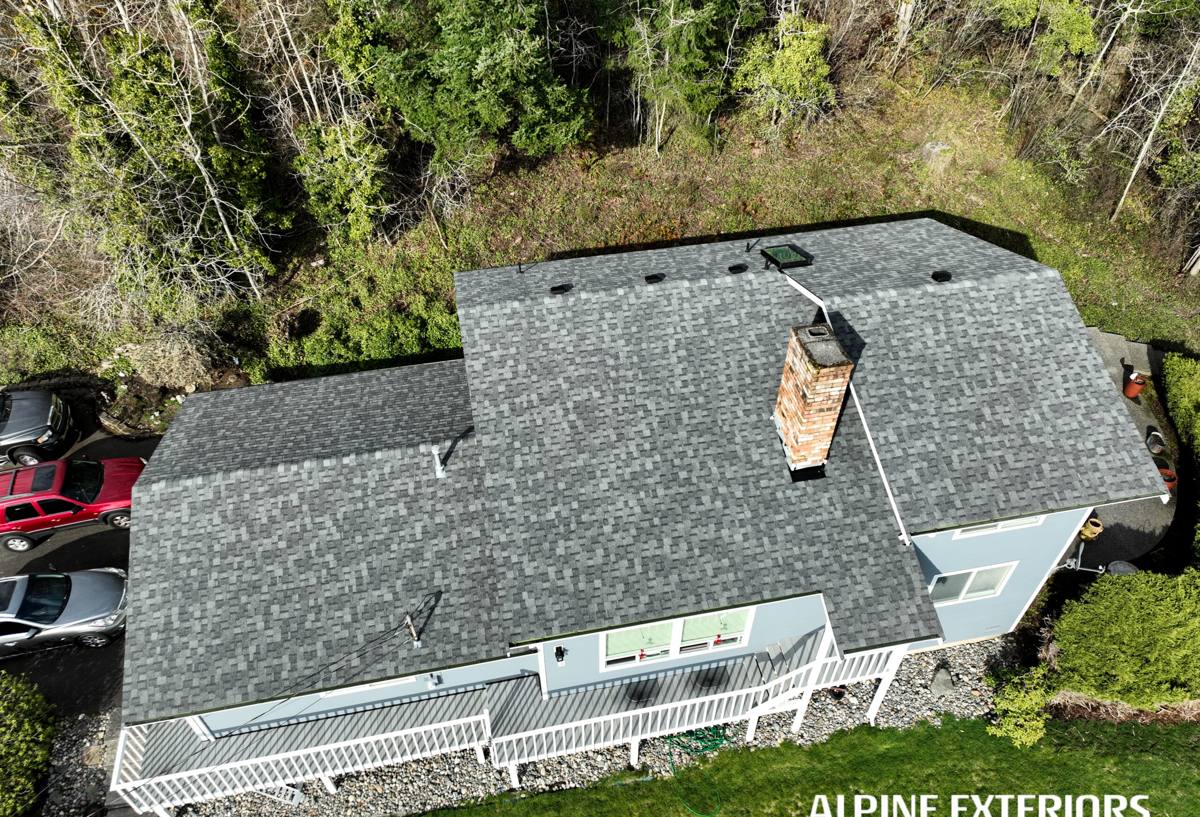
Signs a St. Pete Beach Roof Needs Replacing, Not Patching
Coastal homes often show roof failure differently than inland homes — salt exposure and constant sun accelerate certain problems while masking others until they're serious. Before recommending full replacement, we look for a combination of these signs, not just one:
- Granule loss heavy enough that shingles look blotchy or bald in sun-exposed sections of the roof
- Shingle edges that are curling, cupping, or cracking, especially on south- and west-facing slopes
- Rust staining or visible corrosion at flashing, vent boots, or exposed fasteners
- Soft spots in the decking found during walk-inspection, often near valleys or roof penetrations
- Interior staining on ceilings or in the attic after wind-driven rain events, even without an obvious leak point
- A roof approaching or past the manufacturer's expected service life for this climate, which is shorter here than the national average quoted on the package
If a roof is showing two or three of these at once, patch repairs tend to become a cycle of chasing new leaks every storm season rather than solving the underlying problem.
What a Correct Roof Replacement Actually Involves
Full Tear-Off and Deck Inspection
We don't install new roofing over old layers, and we don't recommend it on this island. Full tear-off is the only way to actually see the decking, which is where hidden damage from years of humidity and small leaks tends to hide. Any soft, delaminated, or water-stained plywood gets replaced before anything new goes down — this is one of the most common places corners get cut, and it's the one that causes the most expensive problems later.
Underlayment Built for Wind-Driven Rain
Standard felt underlayment is not our default for a St. Pete Beach roof. A self-adhering, high-wind-rated synthetic or peel-and-stick underlayment, especially at eaves, valleys, and around penetrations, is what actually stands up to rain that's being pushed horizontally by wind. This layer matters more here than in most parts of the country — it's the backup system that keeps water out even if wind lifts or damages the roof covering above it.
Flashing Details That Actually Hold Up
Most roof leaks trace back to flashing, not the field shingles or tiles themselves. Corrosion-resistant metal (not bargain-grade galvanized that will rust in a few salt-air seasons), properly stepped and counter-flashed at walls and chimneys, and correctly sealed vent boots and penetrations are non-negotiable details on a coastal roof. We replace flashing as part of every full replacement rather than reusing old flashing to save a line item — reused flashing is a common source of "the new roof still leaks" calls.
Fastening and Wind Resistance
How shingles or tiles are fastened matters as much as the material itself. Proper nailing pattern, nail placement in the manufacturer-specified zone, and, where applicable, enhanced fastening for high-wind exposure all affect whether a roof covering stays put in a strong storm. This is inspected, not assumed, on every job we do.
Choosing the Right Roofing Material for This Climate
There's no single "best" roofing material for every home — it depends on the home's structure, the budget, the look the owner wants, and how much long-term maintenance they're willing to do. Here's how the common options actually compare for a Gulf-facing, salt-air, high-UV environment like St. Pete Beach:
| Material | Salt-Air / Corrosion Behavior | Wind Performance | Typical Lifespan Here | Maintenance |
|---|---|---|---|---|
| Architectural asphalt shingle | Sealant strips and granules degrade faster near the coast than inland | Good with proper fastening and rated products | 15–20 years | Low; periodic inspection |
| Metal (standing seam or coated panel) | Needs coastal-rated coatings and corrosion-resistant fasteners | Very good when properly installed | 30–40+ years | Low; watch fastener condition over time |
| Concrete or clay tile | Tile itself resists salt well; underlayment beneath is the weak point over time | Very good when tiles are properly attached | 30–50 years (underlayment often needs replacement sooner) | Moderate; occasional tile replacement, underlayment renewal |
We walk through these trade-offs honestly during the estimate rather than steering every homeowner toward the same product. A shingle roof done right, with the correct underlayment and flashing, is a legitimate and cost-effective choice for plenty of St. Pete Beach homes — it doesn't need to be tile or metal to hold up here.
Cost Factors for a St. Pete Beach Roof Replacement
Pricing depends on more than square footage. These are the variables that actually move the number on a coastal roof replacement:
| Factor | Why It Matters Here |
|---|---|
| Roof pitch and access | Steeper slopes and limited staging space on narrow island lots affect labor time and equipment needs |
| Decking condition | Hidden rot found during tear-off adds material and labor that can't be quoted sight-unseen |
| Material choice | Shingle, metal, and tile carry very different material and labor costs |
| Underlayment upgrade | Full peel-and-stick coverage costs more upfront than felt but reduces future leak risk substantially |
| Flashing scope | Homes with multiple penetrations, chimneys, or complex rooflines need more custom flashing work |
| Permitting and inspection | Local permit fees and required inspections are part of every legitimate quote |
Anyone quoting a full St. Pete Beach roof replacement without a physical inspection is guessing. We give real numbers after we've actually been on the roof and in the attic.
Permitting and Code Compliance
Roof replacement in Pinellas County requires a permit, and inspections are part of the process — that's not paperwork we skip to move faster. Current Florida Building Code wind-load and attachment requirements apply to coastal construction like St. Pete Beach, and they're stricter than a lot of homeowners realize if their last roof went on decades ago. Working with a crew that pulls permits correctly and schedules inspections on time protects the homeowner: it keeps the roof's warranty valid, keeps insurance claims from getting complicated later, and protects resale, since an unpermitted roof is a common flag in a home inspection.
Our Roof Replacement Process
- Inspection and assessment: We get on the roof and, where accessible, in the attic to check decking, ventilation, and existing flashing condition before quoting anything.
- Honest estimate: A written estimate that spells out material, underlayment, flashing scope, and any decking allowance — no vague lump sums.
- Material selection: We walk through the trade-offs above so the homeowner picks based on real information, not just price.
- Permitting: We handle the permit application and coordinate required inspections with the county.
- Tear-off and deck repair: Full removal of the old roof covering, deck inspected and repaired before anything new is installed.
- Underlayment and flashing installation: Installed to the standard described above, not the minimum code allows.
- Roof covering installation: Shingles, metal, or tile installed per manufacturer specification and wind-rated fastening.
- Final walkthrough and cleanup: Site cleaned of debris and nails, and we walk the finished roof with the homeowner before calling the job done.
Ventilation and Attic Considerations
Florida heat and humidity make attic ventilation a bigger deal than most homeowners expect. A roof that's replaced without addressing intake and exhaust ventilation can trap heat and moisture, which shortens the life of the new roofing material from underneath and can drive up cooling costs. We check existing ridge, soffit, and gable ventilation as part of the inspection and recommend corrections when the attic isn't breathing properly — this is a detail that's easy to skip during a straightforward "shingle swap" but shows up as premature aging a few years later.
Why Local Experience on This Island Matters
A crew that already works St. Pete Beach regularly knows things that don't show up in a generic roofing spec sheet: how narrow lots and limited staging area affect scheduling and equipment placement, which fastener and flashing grades actually hold up a block or two from the Gulf versus a mile inland in St. Petersburg proper, and how to sequence a job around this area's storm season rather than getting caught mid-tear-off when weather turns. Familiarity with Pinellas County's permitting process also means fewer delays getting inspections scheduled and passed. None of that is exotic knowledge, but it's the difference between a roof that's technically finished and one that's actually built for where it sits.
What to Ask Before Hiring Anyone for This Job
Because roof replacement is a significant investment and hard to inspect yourself once it's finished, it's worth asking any contractor — us included — a few direct questions:
- Will you pull the permit yourself, and is that included in the price?
- What underlayment do you install by default, and is upgraded underlayment an option?
- Do you replace flashing as standard practice, or only when it's visibly failed?
- What happens if you find rotten decking during tear-off — how is that priced?
- What's the manufacturer's wind rating for the shingle or system you're proposing, and does your installation meet it?
A contractor who answers these clearly and specifically, without dodging, is one worth trusting with the job.
If your St. Pete Beach roof is showing its age or you just want a straight answer about whether replacement or repair makes sense, we're glad to come take a look. The estimate is free, there's no pressure, and you'll get a real number based on what we actually find on your roof — just fill out the form below.