 St. Petersburg Siding
 Old Southeast's Roofs Carry More History Than Most
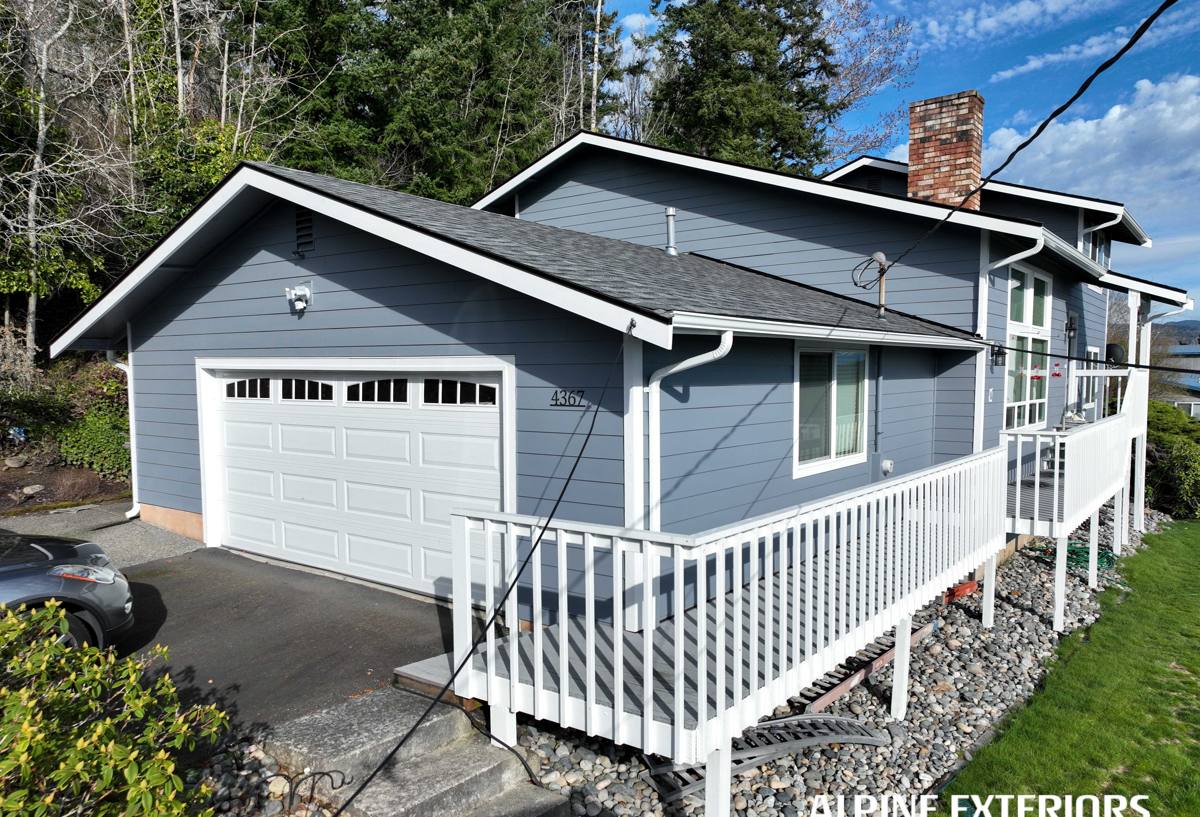
Historic Old Southeast is one of St. Petersburg's older residential neighborhoods, and that shows up on the roof before it shows up anywhere else. Homes here span decades of building styles — bungalows, Mediterranean Revival, Craftsman, mid-century additions bolted onto older bones — and most of them have been re-roofed at least once, sometimes patched by two or three different contractors over the years. That layered history means no two repair jobs in this neighborhood look quite the same. A crew that treats every house like a fresh, standard-issue roof is going to miss things: old decking under new shingles, mismatched flashing details, ventilation that was never brought up to current standards.
We don't treat Old Southeast like a generic stop on the route. Working this area regularly means we already have a feel for how these older roof structures were built, what tends to fail first, and how to repair a section without making the rest of the roof look patched or feel like a liability the next time a storm rolls through.
What Makes These Roofs Different From New Construction
Original Decking and Older Framing
Many homes in this part of St. Petersburg still have original or early-generation roof decking underneath later shingle layers. Board decking, tighter rafter spacing, and non-standard bay widths are common in homes from this era. A repair crew that shows up expecting modern plywood sheathing and standard truss spacing can end up improvising in ways that weaken the repair. Knowing what's likely under the surface before we start cutting saves time and avoids surprises that turn a simple patch into a bigger job.
Stacked Repairs From Past Owners
It's common to find more than one layer of shingles, mismatched flashing metal, or repair patches from different eras all on the same roof plane. Each layer adds weight, changes how water sheds, and can hide the actual source of a leak. Diagnosing a leak on a roof like this takes more than looking at the ceiling stain directly below — water travels along decking and framing before it drips, so the entry point is often several feet from where the damage shows up inside.
Why Pinellas County's Climate Is Hard on Historic Roofs
St. Petersburg sits on a peninsula in Pinellas County, and that geography means every roof here is working against a combination of stressors that inland homes don't deal with nearly as hard.
| Stressor | What It Does to an Older Roof |
|---|---|
| Hurricane-force wind | Lifts and works loose shingles, flashing, and ridge caps that were fastened to older, sometimes brittle decking — repeated storms loosen fasteners a little more each time |
| Year-round intense UV | Bakes shingle oils out faster than in milder climates, leading to granule loss, curling, and brittleness well before a shingle's rated lifespan is up |
| Wind-driven rain | Pushes water sideways and upward under laps and flashing that would stay dry in a straight-down rain, exposing weak seals and aging underlayment |
| Salt air | Accelerates corrosion on exposed metal — flashing, fasteners, vents, gutter hardware — especially on homes closer to the water |
None of these stressors act alone. A shingle that's already UV-brittle is far more likely to crack or lift in a wind event, and corroded flashing fasteners give wind-driven rain an easy path in. On an older roof with original decking and decades of small repairs, that compounding effect is exactly what we're watching for.
Common Repair Issues We See in This Neighborhood
- Cracked or curling shingles from long-term UV exposure, especially on south- and west-facing slopes
- Flashing failure around chimneys, roof-wall intersections, and older-style vent pipes
- Nail pops and lifted shingle tabs after wind events, sometimes weeks before a leak actually shows up
- Corroded valley metal or drip edge on homes with mature tree canopy and salt-air exposure
- Water staining that traces back to a repair point several feet from where the roof was patched previously
- Soft or spongy decking discovered only once shingles are pulled back for the repair
- Ventilation gaps that trap heat and moisture in the attic, shortening the life of shingles from underneath
What a Correct Roof Repair Actually Involves
A roof repair that actually holds isn't just swapping a few shingles and calling it done. On a home like the ones in Old Southeast, doing it right means:
- Tracing the leak to its real entry point, not just the visible damage
- Checking the condition of the decking underneath before re-covering it
- Matching or properly transitioning shingle profile, color, and exposure so the repair doesn't stand out or trap water differently than the surrounding roof
- Replacing flashing rather than caulking over it — caulk is a temporary patch, not a repair
- Confirming fastener pattern and nailing meets wind-resistance standards appropriate for this area, not just the manufacturer's minimum
- Checking attic ventilation while the roof is open, since heat and moisture buildup will undercut even a well-done repair
Skipping any of these steps is how a "repaired" roof ends up leaking again in the next storm season — often in the same spot, sometimes in a new one.
Our Process for a Historic Old Southeast Repair
- Inspection and diagnosis. We walk the roof and the attic when access allows, tracing the leak path rather than assuming the entry point matches the interior stain.
- Honest scope assessment. We tell you plainly whether this is a targeted repair or whether the roof's overall condition means a repair is just delaying a larger cost. We don't pad a small job or downplay a real problem either way.
- Material matching. Where possible, we match existing shingle profile and color so the repaired section blends rather than reading as a patch. When an exact match isn't available, we explain the options honestly.
- Decking and flashing check. Once the affected area is opened up, we assess the decking underneath and replace flashing rather than resealing old metal.
- Repair execution. Proper underlayment, correct nailing pattern, and flashing details built for wind-driven rain and Gulf Coast humidity — not just what passes a quick look from the ground.
- Cleanup and walkthrough. We clear debris, check gutters and downspouts near the repair area, and walk you through what was found and what was done.
Repair or Replace? A Straight Answer, Not a Guess
Homeowners in older neighborhoods often ask whether a repair is worth it versus starting over. There's no single right answer, but the factors below are what actually drive that decision on a roof like the ones common in Old Southeast.
| Factor | Leans Toward Repair | Leans Toward Replacement |
|---|---|---|
| Age of current roof covering | Under 12-15 years, isolated issue | Approaching or past typical shingle lifespan for this climate |
| Decking condition | Solid, no soft spots found on inspection | Soft, delaminated, or water-damaged in multiple areas |
| Extent of damage | Localized to one slope or feature (chimney, valley, vent) | Spread across multiple slopes or recurring in different spots |
| Repair history | First or second repair on this roof | Multiple prior patches, layered shingles, or repeated leaks in the same area |
| Storm exposure since last roof work | Minor wind events only | Direct hurricane-force wind exposure with visible fastener or shingle loss |
We'll give you our honest read based on what we actually find, not a sales pitch either direction. Sometimes a repair genuinely buys years of good service. Sometimes it's a stopgap that's better spent as a down payment on a new roof — and we'll say so.
Why It Matters That We Already Work This Neighborhood
Old Southeast's mix of architectural styles and older housing stock rewards a crew that has already handled roofs like these, not one working from a standard-new-construction playbook. Knowing what tends to lie under the surface — older decking, non-standard framing, layered past repairs — means fewer surprises and a more accurate first estimate. It also means a better eye for matching materials on a home where curb appeal and architectural character matter to owners, and where a mismatched patch is noticeable in a way it wouldn't be in a newer subdivision.
Beyond the technical side, working locally in St. Petersburg and across Pinellas County means we understand the permitting and inspection expectations that apply to roof repair work here, and we're not learning the neighborhood on your dime.
Between Repairs: What Keeps a Historic Roof Going Longer
A repair holds up better when the roof isn't fighting neglect on top of normal wear. A few habits go a long way on homes exposed to Gulf Coast sun, salt air, and storm season wind:
- Keep gutters and valleys clear, especially under mature tree canopy common in this neighborhood
- Have flashing and vent boots checked every couple of years, since they age faster than the shingles around them
- After any significant wind event, do a visual check from the ground for lifted or missing shingles rather than waiting for an interior leak
- Address small leaks quickly — water travels along old decking before it shows up inside, so a small stain can mean a bigger hidden area is already wet
If you're dealing with a leak, storm damage, or just want an honest read on where your roof stands, we're glad to come take a look. The estimate is free, there's no pressure, and you'll get a straight answer about what your roof actually needs — simply fill out the form below to get started.