 St. Petersburg Siding
 Building a Deck That Can Handle Pinellas Point's Waterfront Climate
Pinellas Point sits on the peninsula at the southern tip of St. Petersburg, with water on multiple sides — Tampa Bay to the east, Boca Ciega Bay to the west. It's a neighborhood full of waterfront and near-waterfront homes, seawalls, docks, and pools, which also means it's a neighborhood where an outdoor deck earns its keep as living space almost year-round. That's the upside. The downside is that a deck out here takes a harder beating than one built ten miles inland: constant sun, salt-laden air blowing off the bay, wind-driven rain, and the real possibility of a hurricane track passing close enough to matter. A deck built the way it would be built in a drier, calmer climate will not hold up the same way here. Every decision — material, fastener, connection detail — needs to account for where the house actually sits.
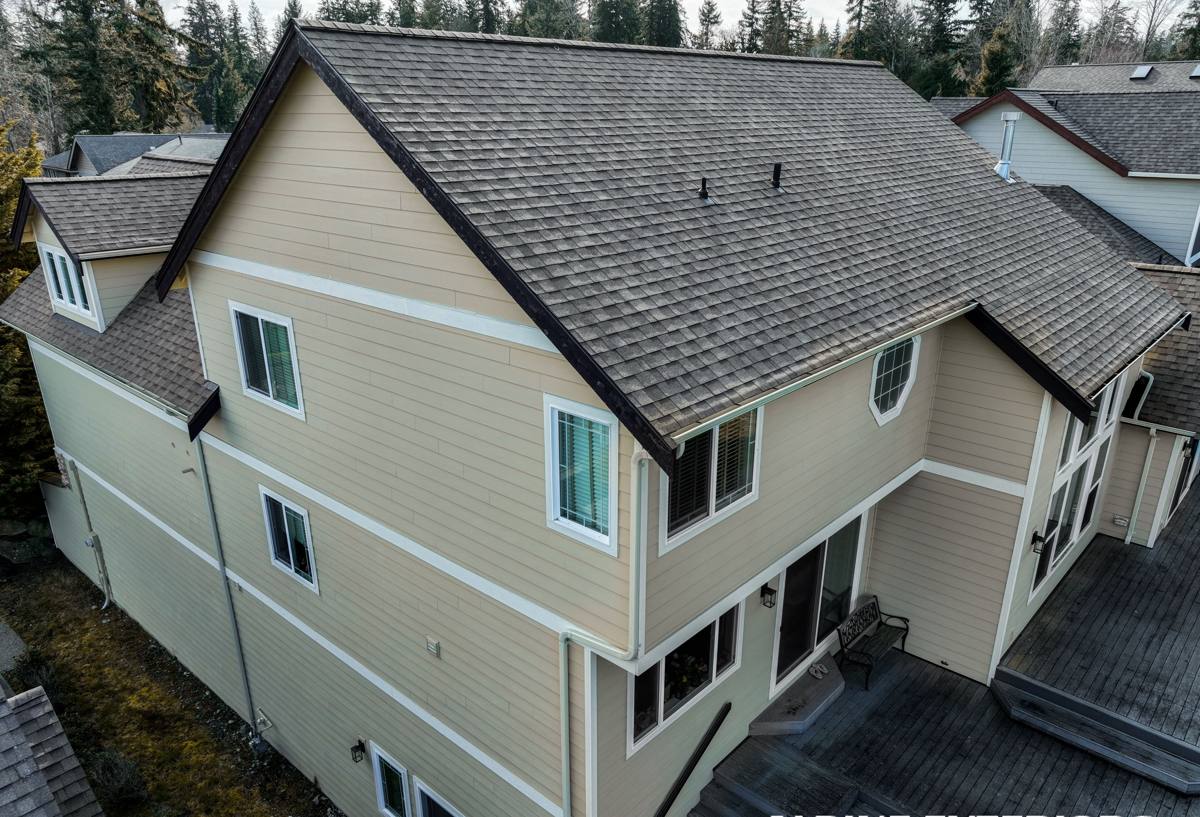
What Coastal Pinellas County Climate Does to an Ordinary Deck
UV and Heat
Florida sun is relentless, and it doesn't take a break in winter the way it does farther north. Untreated or poorly finished wood dries out, checks, and splinters faster here than almost anywhere else in the country. Lower-grade composite boards can fade or chalk under years of direct exposure. Dark decking colors also get hot enough underfoot in summer to matter for bare feet and pets, which is worth thinking through before you pick a color, not after.
Salt Air and Corrosion
Living close to Tampa Bay means salt is in the air even on a calm day, and it settles on everything — including your deck's hardware. Standard interior-grade or even basic exterior fasteners corrode faster in this environment, and once a fastener or joist hanger starts rusting, it's losing structural strength quietly, out of sight, until something fails. Mixing metals matters too — dissimilar metals in contact with each other, in salt air, can set off galvanic corrosion that eats through connectors from the inside.
Wind-Driven Rain and Moisture
Afternoon storms here don't just fall straight down — wind pushes rain sideways and up under boards, into gaps, and against the house wall where the deck attaches. If that connection point isn't flashed correctly, water works its way behind the siding and into the rim joist, and you end up with rot inside a wall you can't see, discovered only when it's already a real repair.
Hurricane-Force Wind
Pinellas County sees real hurricane risk, and a deck is a structure that has to resist uplift and lateral load, not just hold up a grill and some patio furniture. Ledger connections, post-to-footing anchoring, and guardrail attachment all need to be built to resist wind, not just gravity. A deck that racks or lifts in a storm isn't just a repair bill — it's a hazard to the house and anyone nearby.
Choosing the Right Decking Material for This Climate
There's no single "best" decking material — there's a best material for your budget, your maintenance appetite, and how close you are to the water. Here's how the common options actually compare once you factor in Pinellas Point's conditions specifically.
| Material | Upfront Cost | Maintenance | Heat Underfoot | Salt-Air/Moisture Behavior |
|---|---|---|---|---|
| Pressure-treated wood | Lowest, roughly $25-$40/sq ft installed | Annual sealing/staining recommended in this climate | Moderate | Prone to checking and graying without upkeep; treated core resists rot but surface needs protection |
| Capped composite (e.g. Trex, TimberTech) | Mid-range, roughly $40-$65/sq ft installed | Occasional wash; no staining or sealing | Can run hot in dark colors, better in lighter tones | Cap layer resists moisture and salt well; core doesn't rot |
| PVC decking | Higher, roughly $55-$80/sq ft installed | Lowest — wash only | Similar to composite, varies by color | Fully synthetic, handles moisture and salt exposure very well |
| Tropical hardwood (e.g. ipe) | Highest, often $60-$90+/sq ft installed | Periodic oiling to maintain color; will gray naturally if skipped | Runs warm, dense and dark | Naturally dense and rot-resistant, but hardware and fastening details matter more with this species |
These are broad, honest ranges, not quotes — actual pricing depends on deck size, height, railing style, stairs, and site access. What matters more than the sticker price is matching the material to how much upkeep you're actually willing to do, because a deck that gets neglected in this climate degrades faster than the same deck maintained on schedule.
What a Correctly Built Deck Actually Involves
Ledger Board and Flashing
Where the deck attaches to the house is the single most important connection on the whole structure, and it's also the most common place decks fail — both structurally and from hidden water damage. Correct flashing (metal or membrane, installed in the right layered order) keeps wind-driven rain from tracking behind the siding and into the rim joist. This is not a place to cut corners or rush.
Footings and Post Connections
Florida's sandy, often wet soil behaves differently than clay or frost-affected soil up north, and footing size and depth need to be engineered for local soil conditions and wind uplift, not just gravity load. Post-to-footing hardware needs to resist the deck trying to lift or shift in high wind, not just sit there.
Fasteners and Hardware
This is where a lot of decks quietly fail early in a salt-air environment. We use stainless steel or coated fasteners and hardware rated for coastal exposure, and we're careful about mixing metals so we're not setting up galvanic corrosion between dissimilar materials. Joist hangers and hurricane ties matter as much as the boards you can see.
Guardrails and Stairs
Guardrail height, baluster spacing, and the strength of the post attachment are all code items, and they're also just basic safety — a guardrail that looks fine but isn't anchored to resist a real lateral push isn't doing its job. Stair stringers and treads need the same attention to fastening and support.
Decking Fastening and Drainage
Board spacing needs to allow for drainage and material expansion, and fastening method (hidden clips vs. face screws) affects both appearance and how water moves through the deck surface. A deck that ponds water between boards is a deck that's going to have problems sooner.
Permitting and Code in St. Petersburg and Pinellas County
Most deck construction in the area requires a building permit and inspection — this isn't optional paperwork, it's the mechanism that ensures footings, framing, and guardrails actually meet Florida's wind-load and life-safety requirements. For waterfront and near-waterfront lots like much of Pinellas Point, elevation and flood zone considerations can also come into play depending on the specific property, and setback rules from property lines or seawalls may apply. We handle the permitting and inspection process as part of the job, but it's worth knowing upfront that a "quick" unpermitted deck build can turn into a real problem later — at resale, at insurance renewal, or if it's ever damaged in a storm and you need it repaired under permit anyway.
Our Process for a Pinellas Point Deck Build
- On-site assessment — we look at the house's structure, the site's exposure to sun and wind, drainage, and any waterfront-specific factors like elevation or seawall proximity.
- Design and material selection — we walk through the material comparison honestly, based on your budget and how much maintenance you actually want to do, not just what looks good in a brochure.
- Permitting — we prepare and submit what's required for the local permitting process and schedule inspections at the right points in the build.
- Construction — framing, flashing, footings, and hardware installed to the standards this climate actually requires, not just the minimum that passes.
- Final walkthrough — we go over the finished deck with you, including what maintenance to expect and on what schedule.
Maintaining a Deck in a Salt-Air Environment
Even a well-built deck needs a maintenance rhythm out here. A periodic fresh-water rinse helps clear salt residue before it accumulates on hardware and surfaces. Wood decks need their sealer or stain reapplied on a schedule — skipping a year in this UV load shows. Composite and PVC decks need far less, but it's still worth an annual look underneath at the framing, hardware, and ledger flashing, since that's where problems start invisibly before they show up on the surface.
A Practical Checklist Before You Hire a Deck Builder in Pinellas Point
- Ask what fastener and hardware grade they use, and whether it's rated for coastal/salt-air exposure
- Confirm they'll pull the required permit and schedule inspections — not skip them
- Ask how the ledger board will be flashed where it meets your house
- Get their material comparison in writing, including realistic maintenance expectations for each option
- Ask whether they've built decks elsewhere in Pinellas Point or similar waterfront St. Petersburg neighborhoods
- Confirm proper licensing and insurance before any work starts
Why Hiring a Crew That Already Works in Pinellas Point Matters
A contractor who builds decks all over the state, or mostly inland, doesn't necessarily think about salt-air hardware corrosion or wind-driven rain flashing as a default — it's an extra step they have to remember. A crew that works this specific stretch of St. Petersburg regularly treats those details as standard practice, because we've seen what happens when they're skipped. We also know the local permitting process, typical soil conditions on peninsula lots, and the practical realities of waterfront and near-waterfront sites in Pinellas County. That familiarity translates into fewer surprises during the build and a deck that's actually built for where it stands, not for an average climate somewhere else.
If you're considering a new deck or need to replace one that's showing its age, we're happy to come take a look and give you a straightforward, no-pressure estimate — just fill out the form below.