 St. Petersburg Siding
 Building a Deck for Old Northeast's Waterfront Climate
Old Northeast sits close to the water, with mature tree canopy, older lots, and homes that have been through more than a few Florida storm seasons. A deck built here does a different job than a deck built inland. It has to survive hurricane-force wind gusts, take a beating from UV exposure nearly every day of the year, shed wind-driven rain instead of trapping it, and resist the slow corrosion that salt air causes to anything metal. None of that is exotic engineering — it's just decisions that have to be made correctly the first time, because a deck that's wrong in Pinellas County doesn't fail quietly. It fails during a storm, or it quietly rots from the inside where no one's looking.
This page is about one thing: custom deck construction for homes in Old Northeast, specifically. Not a generic deck page — the material choices, fastener specs, and build sequence below are what actually matters for this neighborhood's mix of older homes, tight lots, and coastal exposure.
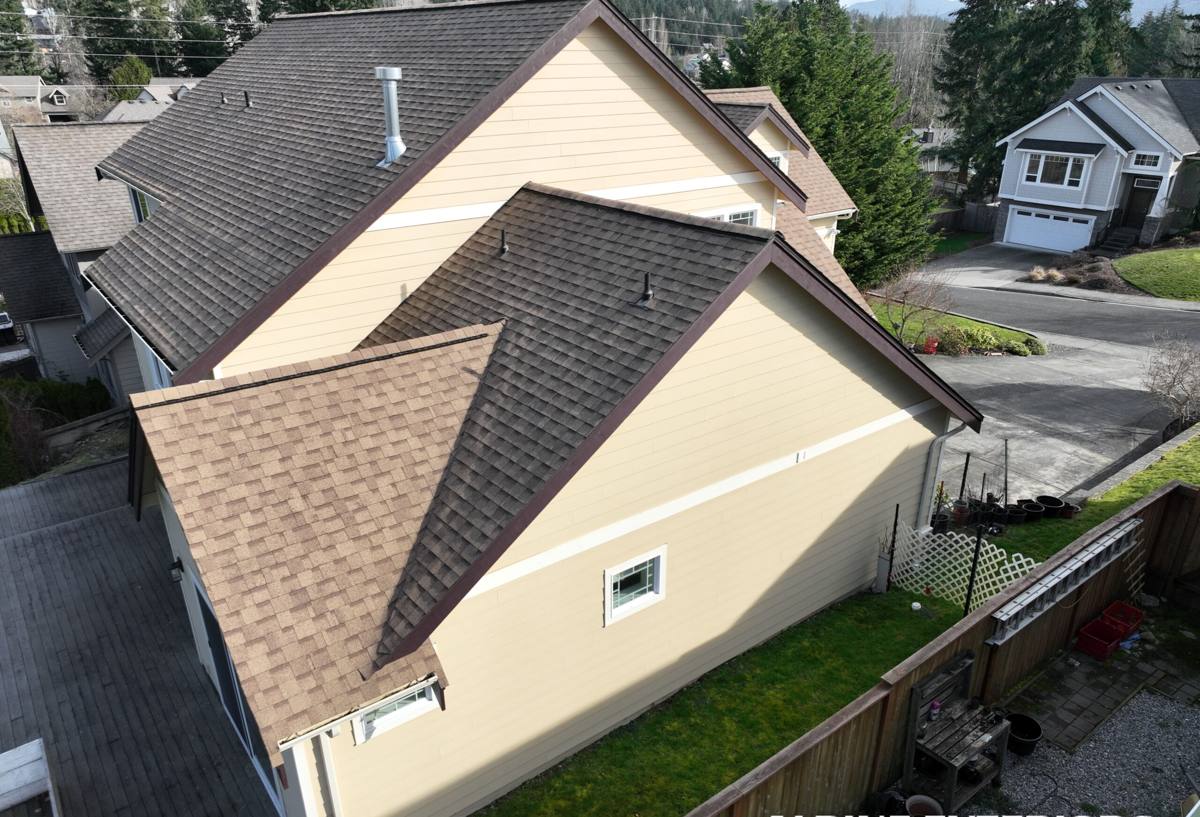
What Old Northeast Properties Need From a Deck
Working With Older, Established Homes
Many homes in Old Northeast predate modern framing and attachment standards. That means a deck project here often starts with an honest look at what the house can actually support — not just what the plans call for. A ledger board bolted into old, possibly compromised framing is one of the most common points of deck failure anywhere in the country, and it's a bigger concern on an older home than on new construction. We check what's behind the siding or trim before we ever drill into it, and if the existing structure isn't a good attachment point, we build a free-standing deck instead of forcing a ledger connection that won't hold.
Tight Lots, Mature Trees, and Drainage
Lots in this part of St. Petersburg tend to be narrower and more established than newer subdivisions, often with mature oak or palm canopy nearby. That affects a deck build in a few practical ways: footing placement has to work around root systems without damaging a tree that took decades to grow, decking material choice matters more where there's constant shade and leaf litter (which holds moisture against the boards), and drainage planning under and around the deck needs to account for a yard that may already handle a lot of runoff during Florida's wet season.
Choosing Decking Material That Holds Up Near the Bay
There's no single "best" decking material — there's the right material for a coastal, high-UV climate versus one that's going to look tired in a few years. Here's how the common options actually compare for a home in this area:
| Material | How It Handles Salt Air & UV | Maintenance | Typical Lifespan Here |
|---|---|---|---|
| Pressure-treated pine | Fine if sealed and re-sealed on schedule; UV fades and dries it out faster than inland use | Annual cleaning, re-sealing every 1-2 years | 10-15 years with upkeep |
| Tropical hardwood (e.g. ipe) | Naturally dense and rot-resistant; still needs oil to hold color | Periodic oiling to prevent graying and checking | 20-25+ years |
| Capped composite | Strong resistance to UV fading and moisture absorption; won't splinter or rot | Occasional washing, no sealing or staining | 25-30 year warranty range, varies by brand |
| Uncapped composite (older-style) | Can absorb moisture at the core over time, especially in humid, shaded areas | Low, but more prone to mold/mildew in shade | Shorter effective life in wet, shaded spots |
For most Old Northeast projects with tree cover and salt exposure, we lean toward capped composite or a well-maintained hardwood. Pressure-treated pine is still a legitimate, budget-friendly option — it just requires an owner who's going to keep up with sealing. We'll walk through the honest trade-offs for your specific yard rather than push one product across the board.
The Details Under the Decking That Actually Determine Lifespan
Framing and Ledger Attachment
The decking boards are the part everyone sees, but the framing underneath is what determines whether the deck is still safe in ten years. That means properly flashed ledger boards where the deck ties into the house, joist spacing rated for both the decking material and Florida's wind uplift requirements, and structural connectors — not just nails — at load-bearing points. This is also where free-standing construction comes in for older homes, as mentioned above: sometimes the right structural answer is to keep the deck's weight off the house entirely.
Fasteners and Hardware
This is the detail that gets skipped the most, and it's the one that matters most near the water. Standard galvanized fasteners corrode faster in salt air than most homeowners expect, and once a fastener starts rusting, it weakens the connection it's supposed to be holding. We use stainless steel or coated fasteners rated for coastal/marine-grade exposure on connection points that matter structurally — hidden fastener systems where appropriate for composite decking, and corrosion-resistant hardware for every structural bracket and post base. It costs more up front than mild-steel hardware. It's not optional for a deck expected to last near Tampa Bay.
Permits, Wind Load, and Pinellas County Code
Deck construction in St. Petersburg falls under Florida Building Code requirements, and Pinellas County's permitting process applies to most custom deck projects — especially anything attached to the structure of the home, elevated more than a minimal height, or built with railings. Wind load is the piece that surprises people who've built decks in other states: framing, post spacing, and connector hardware all have to be sized for hurricane-force wind exposure, not just the weight of furniture and people standing on it. We handle the permit submission and inspection process as part of the job, so you're not the one chasing down approvals or trying to interpret code requirements on your own.
How We Build a Custom Deck From Start to Finish
- On-site assessment — we look at the existing structure (if attaching), the lot's drainage and tree layout, and sun/shade exposure before recommending a design or material.
- Design and material selection — sized and laid out for how you'll actually use the space, with material recommendations based on shade, exposure, and budget.
- Permitting — plans submitted to Pinellas County/City of St. Petersburg as required, engineered where the project calls for it.
- Site prep and footings — footings placed to code depth and working around root systems and existing landscaping wherever possible.
- Framing and structural connections — ledger flashing, joists, and hardware installed to wind-rated spec, not just minimum code.
- Decking, railing, and finish work — boards, railings, and any built-in features installed and inspected.
- Final walkthrough — we go over maintenance expectations for whatever material you chose before we consider the job done.
Living With a Deck in a Salt-Air, High-UV Climate
Even a correctly built deck needs some ongoing attention in this climate. A short, honest maintenance checklist for homeowners in this area:
- Rinse off salt residue and organic debris (leaves, pollen, tree sap) every few weeks, more often under heavy tree canopy
- Check fastener heads and structural connectors annually for early rust or loosening, especially after storm season
- Re-seal or re-oil wood decking on the schedule the product calls for — don't wait until it's visibly gray or dry
- Keep gutters and downspouts near the deck clear so runoff isn't draining directly under or across it
- Trim back vegetation that's keeping boards constantly damp or shaded
- After a named storm, do a quick visual check of railings, stairs, and post bases before assuming everything's fine
Why a Crew That Already Works in Old Northeast Matters
A deck contractor who's worked this neighborhood before already knows what older framing tends to look like here, how Pinellas County's permitting process handles historic or established properties, and what materials actually hold up with this much sun and salt exposure. That's not something you get from a crew that mostly works new-construction subdivisions inland. If you're vetting contractors for a deck project in this area, a few things worth checking:
- Ask for their Florida contractor license number and confirm it's active and in good standing
- Confirm they carry liability insurance and workers' compensation coverage
- Ask directly whether they'll pull permits themselves or expect you to handle it
- Ask what fastener and hardware grade they use as standard — not just what's available if you request it
- Ask how they handle attachment to older homes specifically, and whether free-standing construction is ever recommended
- Get the material and warranty terms in writing before work starts, not verbally on-site
If you're planning a custom deck for a home in Old Northeast, we're glad to come take a look, walk the site with you, and put together a straightforward, no-pressure estimate — just use the form below to get started.