 St. Petersburg Siding
 Metal Roofing in Childs Park: Built for This Neighborhood's Weather and Housing Stock
Childs Park is one of St. Petersburg's older, established residential neighborhoods, and that shows up on the roof. Many homes here were built decades before current Florida Building Code wind and water standards existed, which means the roof deck, flashing details, and attic ventilation underneath an older roof often don't match what a new metal roof needs to perform correctly. A metal roofing job in Childs Park isn't just "put metal on the house" — it's assessing what's actually under the old roofing, correcting it where needed, and then installing a system that's fastened, flashed, and ventilated to hold up in a Pinellas County storm season.
We work roofs across St. Petersburg, but a neighborhood like Childs Park has its own pattern of issues: older wood decking that's thinner than modern code minimums, roof penetrations added over the years without proper re-flashing, and in some cases layers of old roofing that were never fully stripped. None of that is unusual for a neighborhood this age — it just means the prep work matters more here than it does on a newer subdivision roof.
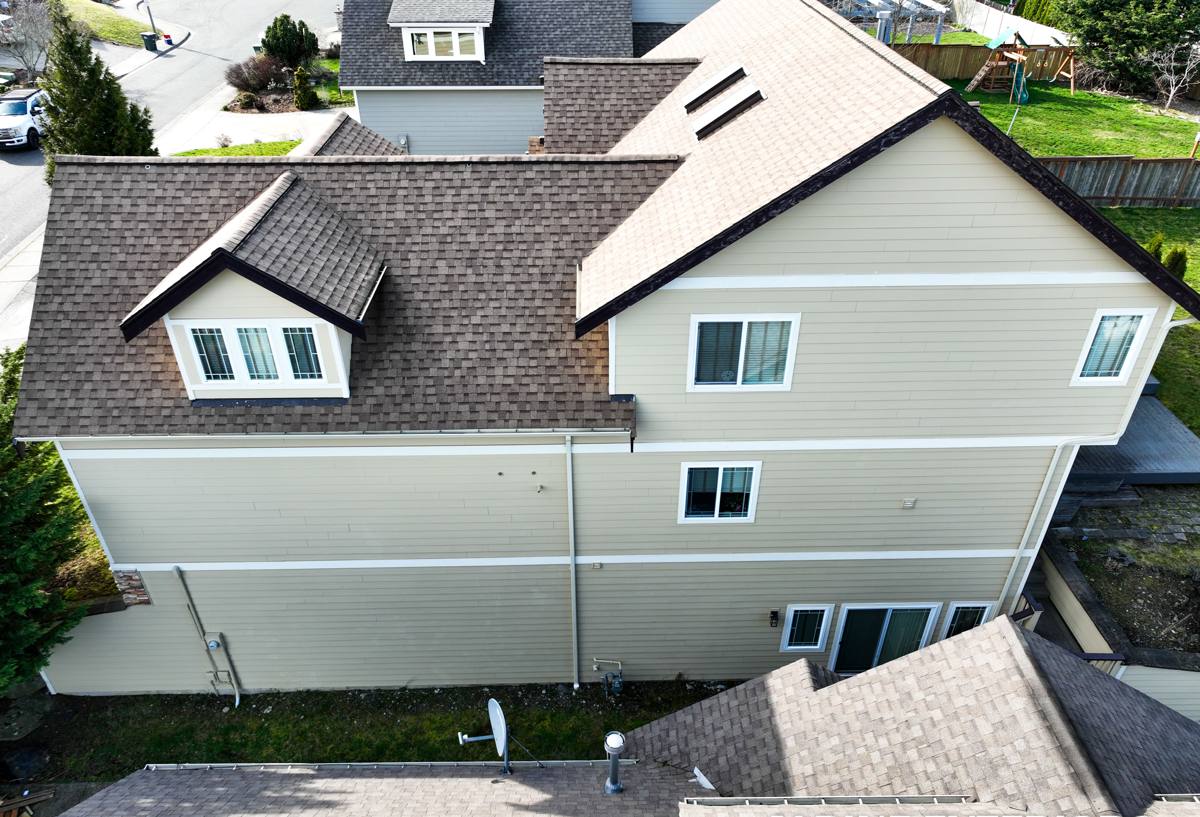
What Pinellas County Climate Actually Does to a Roof
St. Petersburg sits on a peninsula, and Childs Park homes get the same exposure as the rest of the city: hurricane-force wind events, sustained wind-driven rain, intense UV load nearly every day of the year, and salt-laden air that doesn't stay confined to the immediate waterfront. Each of those does something different to roofing materials, and a roof built for a drier, milder climate will fail here faster than the manufacturer's warranty implies.
Wind
Metal roofing performs well in high wind when it's fastened correctly, but "correctly" is doing a lot of work in that sentence. Fastener spacing, clip type, and panel-to-deck attachment all have to match the wind zone this part of Florida is rated for — not a generic national standard. Undersized fasteners or wide spacing are the single most common reason a metal roof loses panels in a storm.
Wind-driven rain
In a straight-down rain, most roofing sheds water fine. In wind-driven rain — the kind that comes sideways off a tropical system — water gets pushed up under laps, around penetrations, and into any flashing detail that was cut short. This is where underlayment selection and flashing craftsmanship matter more than the panel itself.
UV and heat
Year-round Florida sun degrades sealants, breaks down cheaper paint finishes, and cycles metal panels through expansion and contraction every single day. A finish rated for UV stability and a fastening system that accounts for thermal movement both matter more here than in most of the country.
Salt air
Salt exposure accelerates corrosion at fasteners, cut edges, and dissimilar-metal contact points. It's a bigger factor for homes closer to the water, but St. Petersburg's coastal location means it's a consideration citywide, not just on the beach.
Choosing the Right Metal System for an Older Childs Park Home
Not every metal roofing product is a good match for every house. The right choice depends on the existing roof structure, the home's roofline, and the budget — and on an older home, it also depends on what condition the deck is in once we get the old roofing off.
| System | Best Fit | Trade-offs |
|---|---|---|
| Standing seam (concealed fastener) | Homes wanting the longest service life and cleanest look | Higher upfront cost; requires precise installation to perform |
| Exposed-fastener metal panel | Budget-conscious upgrades, secondary structures, some roof shapes | Fasteners and washers need periodic inspection; more maintenance over time |
| Metal shingle / shake profile | Homes where the owner wants a traditional look with metal's durability | More seams and detail work than standing seam; installer skill matters a lot |
We'll walk through which of these actually fits your roof during the estimate — roof pitch, existing structure, and your budget all narrow the list quickly, so we're not guessing from a showroom brochure.
What a Correct Metal Roofing Installation Actually Involves
A metal roof is only as good as what's underneath it and how it's attached. On an older Childs Park home, that starts before a single panel goes up.
Deck inspection and repair
We check the roof deck for soft spots, rot, and thickness once the old roofing is off. Any deck that doesn't meet current structural standards gets repaired or replaced before anything else happens — installing metal over a compromised deck just hides a problem that gets more expensive later.
Underlayment
A synthetic or self-adhered underlayment rated for high heat (some metal roofs run hot in Florida sun) goes down as the water barrier behind the panels. This layer is what protects the home if wind-driven rain ever gets past the panel seams.
Fastening to wind zone
Clips, screws, or fastener spacing are set to match the wind rating required for this part of Pinellas County — not a generic minimum. This is the detail that determines whether a roof holds together in a real storm.
Flashing and penetrations
Every chimney, vent pipe, skylight, and valley gets custom-formed flashing, not stock trim stretched to fit. This is where most roof leaks actually originate, on metal roofs and every other type.
Ventilation
Proper intake and exhaust ventilation keeps the attic from trapping heat and moisture, which protects both the roof deck and the home's energy efficiency. Older homes especially benefit from correcting ventilation that was never adequate to begin with.
Signs Your Roof Needs Attention Now, Not Later
- Visible rust streaking or corrosion at fasteners or panel edges
- Loose, lifted, or vibrating panels in wind
- Water stains on interior ceilings, especially near chimneys, vents, or valleys
- Granule buildup or debris pooling in gutters more than usual
- Soft or spongy spots felt when walking near the roofline (attic access check)
- Old roofing material visibly showing through gaps at eaves or ridges
- A roof age approaching or past its expected service life with no recent inspection
If any of these apply, it's worth having someone look before the next named storm, not after.
What Drives Cost on a Metal Roofing Project
| Factor | Why It Matters |
|---|---|
| Roof size and pitch | More surface area and steeper pitches take more material and labor time |
| Deck condition | Rot or thin decking found during tear-off adds repair scope before installation can proceed |
| Panel system chosen | Standing seam costs more upfront than exposed-fastener panel but typically needs less long-term maintenance |
| Roof complexity | Valleys, dormers, chimneys, and multiple penetrations add flashing labor |
| Tear-off scope | Removing multiple old layers of roofing costs more than a single-layer tear-off |
We give straightforward, itemized estimates once we've actually seen the roof and deck condition — not a phone-quote guess. On an older home, the deck condition is usually the biggest variable, and we won't know that number until the old roofing comes off.
Why a Crew Already Working Childs Park Matters
Roofing work in an established neighborhood like Childs Park comes with practical realities a crew unfamiliar with the area won't anticipate: older home construction methods, permit and inspection processes specific to St. Petersburg, and the logistics of working residential streets and lots that weren't laid out for modern equipment access. A crew that's already done this work here knows what to expect before the tear-off even starts.
There's also the simple matter of accountability. A contractor based in and working this area has a reputation here to protect and is easy to reach if a warranty question comes up five years down the road — not a name from a storm-chasing crew that left the county after the season ended.
Our Process for a Childs Park Metal Roofing Project
- On-site inspection — we assess the existing roof, deck, and any visible problem areas before quoting anything
- Written estimate — a clear scope of work and pricing, with deck-repair contingencies explained up front, not buried in fine print
- Permitting — pulled through the appropriate St. Petersburg / Pinellas County process before work begins
- Tear-off and deck evaluation — old roofing removed, deck inspected and repaired as needed
- Underlayment and flashing — installed to current wind and water standards
- Panel installation — fastened to the wind rating this area requires
- Final walkthrough — we go over the completed roof and warranty coverage with you directly
Maintaining a Metal Roof in a Coastal Climate
A well-installed metal roof needs less maintenance than most roofing types, but "less" isn't "none," especially with Gulf Coast salt air and storm cycles in play.
- Have fasteners and sealant points visually checked after major storms
- Keep gutters and valleys clear of debris so water isn't dammed against panel seams
- Rinse accumulated salt residue and debris periodically if the home is near the water
- Trim back overhanging branches that can scrape finish or drop debris into valleys
- Schedule a professional inspection every couple of years, not just after visible damage appears
If your Childs Park home is due for a roof replacement, showing signs of wear, or you're just weighing metal against other options, we're happy to take a look and give you a straight answer — no pressure, no sales script. Fill out the form below for a free estimate.