 St. Petersburg Siding
 Kenneth City Sits in a Tough Climate Zone for Siding
Kenneth City is a small, established residential community tucked inside Pinellas County, surrounded on all sides by St. Petersburg. Like the rest of the county, it sits on a narrow peninsula between Tampa Bay and the Gulf of Mexico, which means every home here deals with the same combination of stresses: sustained subtropical humidity, intense UV exposure nearly year-round, wind-driven rain during summer storms, and salt-laden air that travels farther inland than most homeowners expect. None of these factors are dramatic on their own, but stacked together over years, they're exactly what wears out siding that wasn't engineered for this kind of exposure.
Older homes in Kenneth City were often sided decades ago with materials that made sense at the time — wood, older vinyl, or basic hardboard products — but those materials age differently here than they would in a drier, cooler climate. Wood siding absorbs moisture and holds it against humid air, accelerating rot. Vinyl softens and warps under sustained UV and can crack or blow off in high wind. Salt air corrodes exposed fasteners and dulls painted finishes faster than manufacturers' warranties usually account for. This is the local context that should shape any siding decision here, not a generic national average.
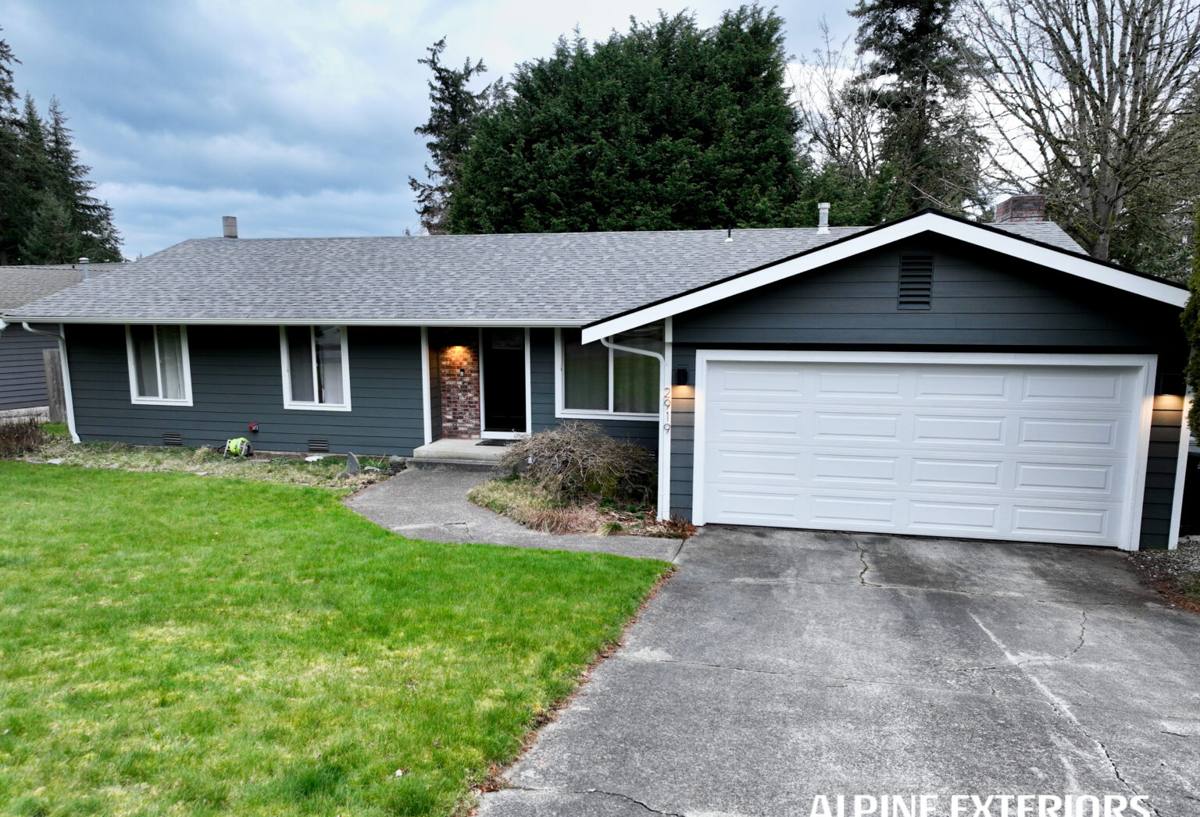
Why We Install James Hardie Fiber Cement — and Nothing Else
We are a St. Petersburg-based crew, and we install James Hardie fiber cement siding exclusively. We don't offer vinyl, LP SmartSide, Cemplank, Allura, or primed wood as alternatives, because after years of working on homes across Pinellas County, we've seen how each of those products performs — or struggles — in this specific climate. Fiber cement is inherently non-combustible and dimensionally stable; it doesn't expand and contract with heat the way vinyl does, and it doesn't hold moisture and rot the way untreated wood products do. James Hardie is the manufacturer we trust to back that material with engineering and a warranty built for climates like ours.
That doesn't mean every fiber cement product performs identically. Installation quality, product line selection, and finish all matter as much as the base material. A poorly installed Hardie job can still fail early; a correctly installed one is built to handle decades of Florida weather. The rest of this page focuses on what "correct" actually means for a Kenneth City home.
What Kenneth City Homes Specifically Need From Their Siding
Wind Resistance Without Over-Engineering
Pinellas County sits within a hurricane-prone wind zone, and siding here needs to be fastened to a standard that accounts for sustained high winds and wind-driven debris, not just a baseline nailing schedule pulled from a generic install guide. That means correct fastener spacing, proper embedment depth, and attention to how siding terminates at corners, window and door openings, and roof lines — the places wind actually gets a foothold and starts peeling material away.
Moisture Management Behind the Siding
Humidity and wind-driven rain mean the water-resistive barrier and flashing details behind the siding matter just as much as the siding itself. Fiber cement handles moisture on its face far better than wood or OSB-based products, but no exterior cladding is worth much if water gets behind it and has nowhere to go. Correct installation includes proper house wrap integration, head flashing above openings, and kick-out flashing where rooflines meet walls.
UV and Color Stability
Year-round Florida sun fades and chalks field-applied paint faster than most homeowners anticipate, which is why we install Hardie's ColorPlus factory-baked finish rather than relying on site-painted siding. It holds color and resists fading substantially longer than a standard paint job applied after installation, which matters on a house that gets full sun exposure most of the year.
Salt Air Durability
Even inland from the immediate coastline, salt air in Pinellas County accelerates corrosion of exposed metal fasteners and trim. We use corrosion-resistant fastening hardware and detail trim connections to minimize exposed metal that salt air can attack over time.
Choosing the Right Hardie Product Line for This Area
James Hardie engineers its siding in climate-specific "HZ" formulations. For Kenneth City and the rest of the Gulf Coast humidity belt, the HZ5 line is the standard fit — it's formulated to resist moisture-related damage in hot, humid climates, as opposed to the HZ10 formulation built for freeze-thaw regions further north. Getting this right isn't cosmetic; it affects how the product performs against the specific combination of humidity and heat this area sees for most of the year. Part of a correct installation starts before a single board goes up — it starts with specifying the right product line for the climate the house actually sits in.
How the Right Siding Choice Compares Over Time
| Factor | Older Vinyl / Hardboard | Untreated or Primed Wood | James Hardie Fiber Cement (HZ5) |
|---|---|---|---|
| UV / fade resistance | Softens, warps, fades under sustained sun | Paint fades and chalks; needs repainting | ColorPlus factory finish resists fading |
| Moisture / humidity behavior | Can trap moisture, warp at seams | Absorbs moisture, prone to rot | Non-combustible, moisture-resistant formulation |
| Wind performance | Prone to cracking or blow-off in gusts | Depends heavily on fastening and board condition | Rated for high-wind installation when properly fastened |
| Salt air exposure | Fasteners and trim corrode over time | Accelerates rot at joints and fastener points | Corrosion-resistant fastening details reduce exposure |
| Typical maintenance | Occasional panel replacement, caulking | Regular repainting and rot inspection | Periodic caulk/inspection; no repainting for finish life |
This table reflects general material behavior, not a claim about any specific product failing on any specific home. The point is that the material and finish you choose determines how much upkeep your siding demands over the next 15-20 years in this climate, and that's a decision worth making with full information.
Our Installation Process for Kenneth City Homes
- On-site assessment — we inspect the existing siding, sheathing, and any signs of moisture intrusion before quoting anything.
- Product and color selection — we walk through Hardie's HZ5 profiles and ColorPlus color options suited to the home and neighborhood.
- Removal and substrate check — old siding comes off, and we check the sheathing underneath for rot or damage before covering it back up.
- Water-resistive barrier and flashing — house wrap, window/door flashing, and kick-out flashing are installed or corrected before any new siding goes on.
- Hardie installation to spec — correct fastener type, spacing, and clearances per James Hardie's published installation requirements for this wind zone.
- Trim, caulking, and finish details — corners, joints, and penetrations are sealed and finished to shed water correctly.
- Final walkthrough — we go over the finished job with the homeowner before calling it complete.
Signs Your Current Siding May Already Be Failing
- Soft or spongy spots when you press on the siding, especially near the bottom edges
- Visible warping, buckling, or gaps between panels
- Paint that's chalking heavily or peeling in sheets rather than just fading
- Rust streaks running down from fastener points
- Missing or loose panels after storm season
- Musty odors or visible mold near exterior walls inside the home
- Rising cooling bills that could point to compromised insulation behind damaged siding
Any one of these on its own might not mean a full replacement is due, but a few of them together — especially combined with the age of the current siding — is worth having assessed before the next storm season.
Why a Crew That Already Works Kenneth City Matters
Siding installation quality depends heavily on details that are easy to get wrong and expensive to fix later — fastener schedules, flashing sequencing, and product selection for the actual climate zone the home sits in. A crew that regularly works homes in and around Kenneth City and greater St. Petersburg has already worked through the wind, humidity, and salt-air realities specific to this part of Pinellas County, rather than applying a one-size-fits-all approach pulled from a different climate. That familiarity shows up in the small decisions — how flashing gets detailed at a roofline, how fasteners are chosen and spaced, which Hardie product line actually fits the humidity profile here — that determine whether the siding is still performing well in fifteen years or needing early repairs in five.
If you're weighing a siding replacement in Kenneth City, we're happy to come take a look, walk you through what we'd recommend for your specific home, and give you a straightforward, no-pressure estimate — no obligation, no pressure to decide on the spot.