 St. Petersburg Siding
 Why Old Southeast Roofs Wear Differently Than the Rest of St. Petersburg
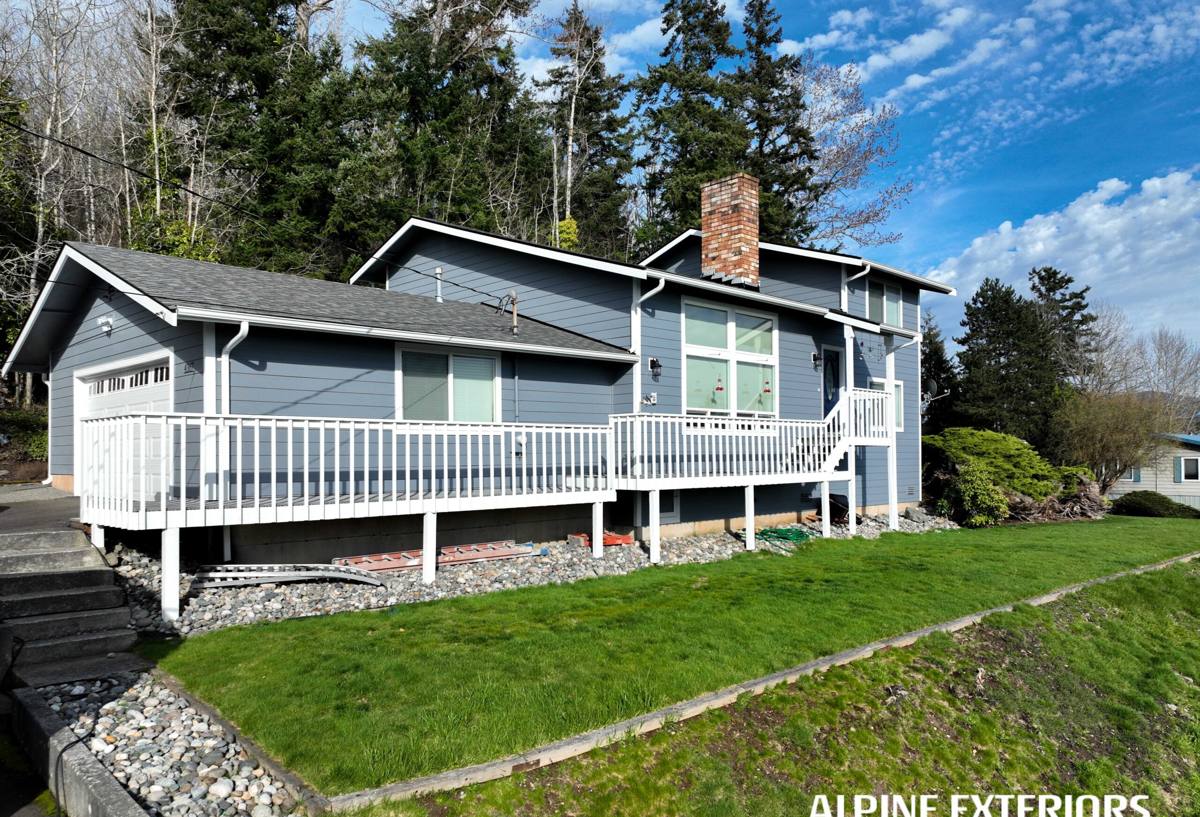
Old Southeast is one of St. Petersburg's older residential pockets, built out mostly in the early-to-mid 1900s with bungalows, cottages, and traditional-style homes on tree-shaded lots. Roofs in this neighborhood are doing a harder job than roofs on a newer subdivision a few miles inland. Many were framed and decked decades before current wind-load codes existed, they sit under mature tree canopy that keeps them damp and drops debris, and they're close enough to Tampa Bay that salt-laden air is a constant, low-grade attacker on every exposed metal component.
Add in what Pinellas County deals with every year — hurricane and tropical-storm wind events, punishing UV exposure nearly twelve months a year, and wind-driven rain that gets pushed sideways into laps and flashings that a calm-weather roof never has to resist — and you end up with a roofing job that has less margin for error than it would somewhere with a milder climate. An asphalt shingle roof done right in Old Southeast has to handle all of this at once, not just look good on install day.
What an Old Southeast Home Actually Needs From Its Shingle Roof
Every asphalt shingle roof in St. Petersburg needs wind resistance, waterproofing, and UV durability. A historic-era home in Old Southeast needs those same things plus a few considerations that a newer, simpler roof doesn't have to think about:
Older Framing and Decking
Original rafters, purlins, and roof decking on a home this age were sized for the loads and materials of their time. Decades of Florida humidity, prior leaks, and old nail patterns from re-roofs can leave sheathing softer or thinner than it looks from the ground. A shingle roof is only as good as what it's fastened to, so deck condition has to be checked before anything new goes down — not assumed.
Complex, Character-Driven Rooflines
Bungalow and cottage-style roofs in this part of St. Petersburg often carry front porches, dormers, multiple hips and valleys, and lower-pitched sections that a boxy modern roof doesn't have. Every one of those transitions is a place water can get in if flashing isn't detailed correctly, and it's usually where a rushed or inexperienced install fails first.
A Look That Fits the Neighborhood
Homeowners here generally want a roof that reads as appropriate for an older home — not a shiny, oversized profile that looks out of place next to original architectural details. Shingle color, shadow lines, and profile all factor into whether a new roof blends in or stands out for the wrong reasons.
Anatomy of a Correct Asphalt Shingle Installation
Tear-Off and Deck Inspection
We remove the existing roofing down to the deck rather than layering over it. That's the only way to actually see what's underneath — soft spots, old leak staining, rotted sheathing, or undersized boards that need to be replaced before a single shingle goes on. Skipping this step is the single most common shortcut that causes early failures on older homes.
Underlayment and Water Barrier
Given how much wind-driven rain this area sees, we don't treat underlayment as an afterthought. Self-adhered waterproof membrane goes at eaves, valleys, and around every penetration — the spots most likely to take on water when rain is coming in sideways during a storm rather than falling straight down.
Wind-Rated Shingle Installation
Shingles are only as wind-resistant as their installation. That means correct nail count and placement (not staples, and not high-nailing to save time), proper starter strip at eaves and rakes, and adhesive strips fully activated so the sealant bond can actually do its job. This is where an install either meets its rated wind speed or quietly falls short of it.
Flashing and Ventilation
Step flashing at walls and dormers, proper valley metal, and correctly sized pipe boots keep water out of the transitions that older, more detailed rooflines have more of. We also check attic ventilation — a roof that can't breathe traps heat and moisture, which shortens shingle life and can cook a deck from underneath even if the surface looks fine.
Choosing the Right Shingle for a Historic-Style Home
Not every shingle product makes sense for this climate or this neighborhood's look. Here's how the common options compare for an Old Southeast home:
| Shingle Type | Wind Performance | Look on an Older Home | Typical Lifespan |
|---|---|---|---|
| 3-Tab Asphalt | Lower wind rating, less margin in tropical-storm gusts | Flat, uniform — reads as budget-grade next to original architectural detail | 15–20 years |
| Architectural (Dimensional) Asphalt | Higher wind ratings available; better real-world sealing performance | Layered shadow lines that suit bungalow and cottage rooflines well | 25–30+ years |
| Impact-Rated Asphalt | Highest wind and debris resistance; often qualifies for insurance credits | Same dimensional look, heavier-duty construction | 25–30+ years |
For most homes in this neighborhood, we steer clients toward architectural or impact-rated shingles. The upfront cost difference over 3-tab is real, but so is the difference in how the roof performs the next time a tropical system pushes through Pinellas County — and the shadow-line profile simply looks more at home on a house with this much original character.
What Affects the Cost of a Shingle Roof Here
Every Old Southeast home is a little different, but the cost of a shingle roof replacement generally comes down to a handful of factors:
- Roof complexity — number of hips, valleys, dormers, and porch roofs to flash correctly
- Deck condition — whether plywood or board sheathing needs partial or full replacement
- Layers being removed — tearing off one layer of old shingles costs less than removing two or three
- Shingle class chosen — 3-tab versus architectural versus impact-rated
- Ventilation upgrades — adding or correcting ridge, soffit, or attic ventilation as part of the job
- Access — steep pitches, tree cover, and tight lot lines that are common on older, established streets
We walk through each of these with you during the estimate so you know exactly what's driving the number, not just a lump-sum price.
Our Process, Start to Finish
- On-site inspection — we get on the roof, not just the ground, and check the deck, flashing, ventilation, and any interior signs of past leaks.
- Written estimate — a clear breakdown of materials, scope, and price, including any deck repair contingencies before we start.
- Tear-off and deck repair — full removal down to the sheathing, replacing any compromised decking before moving forward.
- Underlayment and waterproofing — self-adhered membrane at vulnerable areas, synthetic underlayment across the field.
- Shingle installation — installed to manufacturer spec and wind-rating requirements, not shortcuts that only hold up until the first real storm.
- Flashing, ventilation, and cleanup — every penetration sealed, ventilation checked, magnetic sweep and site cleanup before we leave.
- Final walkthrough — we go over the finished roof and paperwork with you, including manufacturer warranty registration.
Why It Matters That We Already Work in Old Southeast
A crew that's worked on this neighborhood's homes before isn't guessing about what they'll find when the old shingles come off. They know these roofs tend to have original decking mixed with later patch repairs, they know how to flash a porch roof tying into a steeper main roof without creating a new leak point, and they know what a shingle profile needs to look like to sit right on a home with this much existing character. That familiarity shows up in fewer surprises mid-job and a finished roof that actually fits the house.
It also matters for the practical side of the job — working around mature trees and tight, established lots, coordinating with narrower streets for material delivery and dumpster placement, and being realistic about timelines when a job turns up more deck repair than expected. None of that is unique to any one contractor, but it's exactly the kind of thing you only get right by having done it here before, not somewhere else in Tampa Bay.
Questions Worth Asking Before You Hire Anyone
- Are you licensed to do roofing work in the State of Florida, and can you provide proof of insurance?
- Will you tear off down to the deck, or are you proposing to install over existing layers?
- What underlayment and flashing details will you use at valleys, eaves, and penetrations?
- What shingle wind rating are you installing, and does the nailing pattern match manufacturer requirements for that rating?
- What does your workmanship warranty cover, separate from the manufacturer's material warranty?
- Have you worked on other homes in this neighborhood, and can you speak to what's typical for roofs this age?
Signs Your Old Southeast Roof Needs a Closer Look
- Granules collecting in gutters or at downspout outlets
- Shingles that look cupped, curled, or cracked, especially on sun-exposed slopes
- Missing or lifted shingles after a wind event, even minor ones
- Dark streaking or soft, discolored spots on ceilings inside the home
- Visible rust or gaps at flashing around chimneys, walls, or roof-to-porch transitions
- A roof that's approaching or past 20 years old with no major work done
None of these automatically mean a full replacement is needed — sometimes it's a repair. But on an older roof, deferring an inspection tends to turn a small fix into a bigger one, especially once storm season is underway.
Maintenance and Warranty, in Plain Terms
A correctly installed asphalt shingle roof in this climate still benefits from periodic attention: clearing debris that collects under tree canopy, keeping gutters flowing so water isn't backing up at the eaves, and having the roof looked at after any significant storm rather than waiting until an interior leak shows up. We register manufacturer material warranties on the shingles we install and stand behind our own workmanship separately, so you know what's covered and by whom if a question ever comes up down the road.
If your Old Southeast home is due for a new roof, or you just want an honest read on how much life is left in the one you have, we're happy to take a look. Use the form below to request a free, no-pressure estimate — we'll walk the roof, tell you what we actually see, and give you a straight answer before any work is scheduled.