 St. Petersburg Siding
 Deck Replacement Built for Historic Kenwood
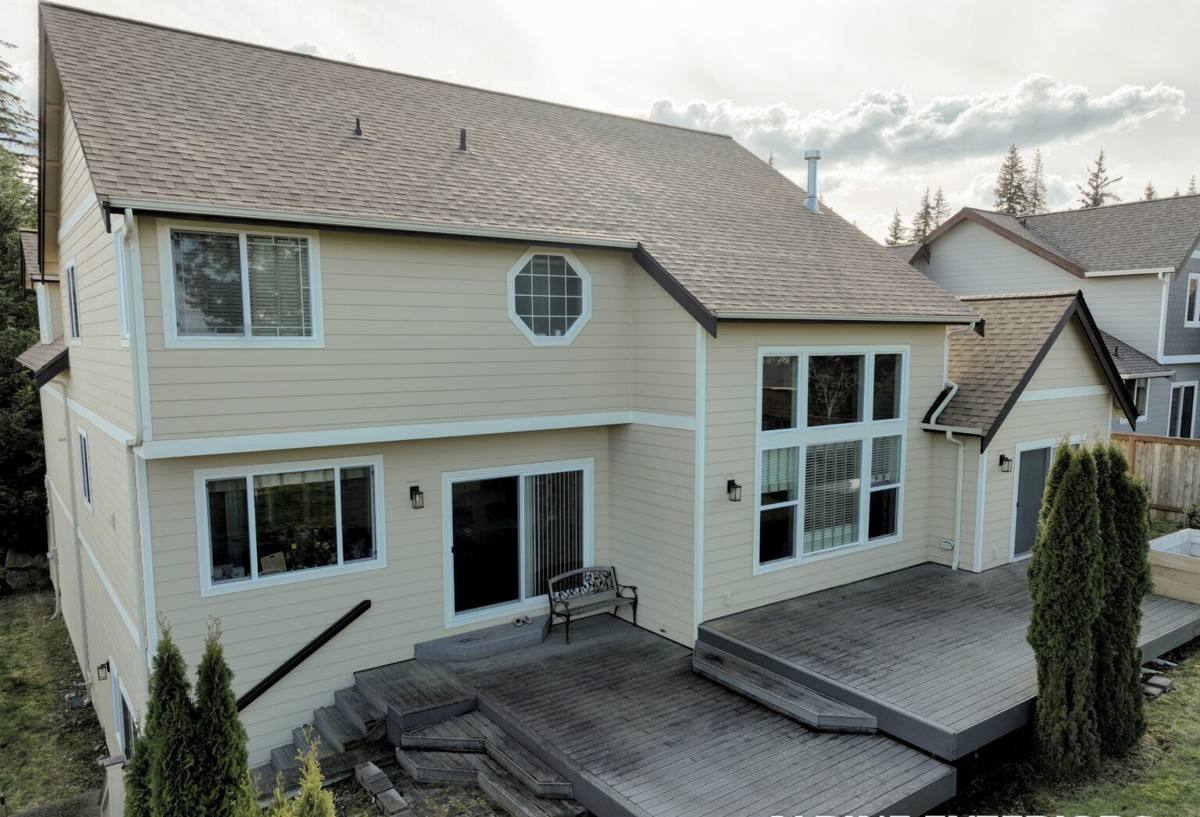
Historic Kenwood is one of St. Petersburg's oldest residential neighborhoods, and it looks the part — brick streets, mature oak canopy, and blocks of Craftsman bungalows and frame vernacular cottages dating back to the early 1900s through the 1920s and '30s. Decks on these homes carry a different set of problems than decks on a newer Pinellas County build. The framing they attach to is old, the shade from decades-old oak trees keeps wood wet longer than it should be, and the whole neighborhood sits close enough to Tampa Bay that salt air is a daily fact of life for every fastener and hinge on the property. Replacing a deck here isn't just swapping boards — it's re-solving a structure for a house and a microclimate that don't match a big-box framing chart.
We work on decks throughout St. Petersburg and Pinellas County, and Kenwood jobs specifically call for more care at the ledger, more attention to airflow under the deck, and material choices that can shrug off humidity and salt without turning into a maintenance chore every spring.
Why Decks Fail Faster in This Neighborhood
Old Framing Behind the Siding
The single biggest structural issue we run into in Kenwood is the ledger board — the piece that bolts the deck to the house. On a home built in the 1920s, the rim joist or band board behind the siding may be undersized, softened by old moisture intrusion, or simply not built to hold a modern ledger connection at all. Bolting a new deck to compromised century-old framing is how decks come loose from the house, which is one of the more dangerous ways a deck can fail. Any legitimate deck replacement here starts with opening up that connection point and confirming what's actually behind the wall before a single board goes up.
Oak Canopy and Trapped Moisture
Kenwood's tree canopy is a big part of its character, and it's also the reason decks under it stay damp longer after every rain. Shade slows drying time, leaf litter collects in the gaps between boards and holds moisture against the wood, and pollen and organic debris feed the mildew and algae growth that make older decks slick and gray. A deck built without enough airflow underneath, or with a board spacing that traps debris, will show rot and staining years before a deck built the same way in full sun.
Salt Air and Humidity
St. Petersburg's location on the bay means every exposed metal fastener, hinge, and bracket is fighting corrosion from day one. Combine that with Pinellas County's year-round humidity and Kenwood's shaded, still air under a dense canopy, and you get conditions that accelerate both wood decay and metal fatigue at the same time. Standard hardware-store fasteners rust and stain the wood around them; the wrong flashing detail lets water sit against framing that never fully dries.
Wind and Storm Exposure
Deck structures also have to hold up to the same hurricane-force wind events that test the rest of the house. A deck that isn't properly tied to the structure with hurricane-rated hardware can rack, lift, or separate in a bad storm — and an older, informally built deck is often the weakest structural link on the whole property.
What a Correct Deck Replacement Involves
A proper replacement isn't a resurfacing job. It's a full rebuild from the ledger out, done in a sequence that respects both the age of the house and the Florida code requirements a deck has to meet today.
- Full removal of the old deck down to the ledger and posts, so the framing underneath can actually be inspected
- Ledger board attachment reworked to sound framing, with proper flashing to keep water from getting behind the siding
- Footings and posts checked or replaced to meet current load and frost/wind requirements for the county
- Joist hangers, structural screws, and connectors rated for coastal, high-corrosion environments
- Board spacing and joist layout designed to let air move and water drain, especially under heavy shade
- Railing, stair, and guard details built to current Florida Building Code, not just "what was there before"
- A permit pulled through the City of St. Petersburg, with a design review through the local historic preservation process if the home sits within a designated historic district and the work is visible from the street
Material Choices for a Historic Home
Kenwood homeowners are usually balancing two things: keeping a deck that looks right with a Craftsman bungalow, and not signing up for a material that can't handle shade, humidity, and salt air without constant upkeep. There's no single right answer — it depends on how much maintenance you actually want to do.
| Material | Look on a Historic Home | Maintenance in This Climate | Trade-offs |
|---|---|---|---|
| Pressure-treated pine | Traditional, paintable/stainable to match trim | Needs re-sealing every 1-2 years, especially in shaded areas | Lowest upfront cost, most upkeep, shortest lifespan in damp shade |
| Tropical hardwood (e.g. ipe-type) | Rich natural look, popular on older homes | Periodic oiling to hold color; very durable structurally | Higher material cost, heavier, requires correct fasteners to avoid staining |
| Composite decking | Consistent color, wide range of tones | Occasional washing; no sealing or staining | Higher upfront cost, some products can trap heat/moisture if airflow underneath is poor |
| PVC/cellular decking | Clean, uniform look | Lowest ongoing maintenance; resists moisture well | Highest material cost; look can read less "traditional" against an older bungalow |
We'll walk through this trade-off in person rather than push one product — the right call depends on your budget, how much shade the deck sits under, and how the house is going to be lived on and around it.
Fasteners and Hardware
Whatever decking material you choose, the hardware matters just as much. In a salt-air, high-humidity environment like Kenwood, we use stainless steel or coated corrosion-resistant fasteners and structural connectors rather than standard galvanized hardware, which corrodes faster this close to the bay and can streak or stain the wood around it as it rusts.
Working Around a Historic Home's Design
Kenwood's charm comes from consistent detailing — railing profiles, post sizes, and trim that reads as period-appropriate rather than generic. When we replace a deck here, we try to match rail height, baluster spacing, and post detailing to what suits the home's architecture, not just default to whatever comes standard with a given decking system. If your property falls inside a locally designated historic district, changes visible from the street may need to go through the city's historic preservation design review before a permit is issued — we'll flag that early in the process so it doesn't hold up your project later.
Our Process for a Kenwood Deck Replacement
- On-site assessment — we inspect the existing deck, the ledger connection, and the framing behind it, and check for shade, drainage, and grading issues specific to the lot
- Design and material selection — we go over decking, railing, and hardware options against your budget and how the deck will be used
- Permitting — we handle the City of St. Petersburg permit application, and the historic district design review if the property requires it
- Demolition and structural rebuild — old decking, ledger, and any compromised framing come out; the connection to the house and the support structure go in to current code
- Decking, railing, and finish work — boards, rails, and stairs are installed and detailed to match the home
- Final walkthrough — we go over the finished deck with you, including what maintenance (if any) the material you chose will need
Maintenance Checklist for Your New Deck
Even a well-built deck in Kenwood needs some seasonal attention because of the tree canopy and humidity. A few habits go a long way:
- Sweep leaves and pollen out of board gaps regularly, especially in spring and fall
- Rinse off algae or mildew film before it gets a foothold in shaded areas
- Check fasteners and railing connections once a year for looseness or corrosion
- Trim back overhanging branches that keep the deck surface wet longer than the rest of the yard
- Re-seal or re-stain wood decking on the schedule the product actually needs — don't stretch it because it "looks fine"
- After any major storm, walk the deck and check railings, stairs, and the ledger connection for movement
Why Local Experience Matters Here
A deck contractor who mostly builds on newer slab-on-grade homes in other parts of the county is going to run into surprises the first time they open up a ledger on a 1920s Kenwood bungalow. We've worked on enough older St. Petersburg homes to know what to expect behind the siding, how to detail a deck so it doesn't fight the house's architecture, and how to sequence a project so the historic review process — when it applies — doesn't blindside you partway through. That's the difference between a deck that gets bolted on and one that's actually built to last in this neighborhood's conditions.
If your deck is showing rot, soft spots, loose railings, or just isn't holding up the way it should under Kenwood's oak canopy and bay-side humidity, we're happy to take a look. Reach out for a free, no-pressure estimate using the form below.