 St. Petersburg Siding
 Deck Repair Built for Historic Kenwood's Climate and Character
Historic Kenwood is one of St. Petersburg's designated historic districts, and a lot of its charm comes from original details — deep front porches, elevated wood entry decks, and bungalow-era construction that predates modern building codes. That charm is also what makes deck repair here different from a repair job on a ten-year-old subdivision house. The structure underneath is often older, the materials were chosen for a different era, and Pinellas County's climate has had decades longer to work on it. We repair decks and porch structures in this neighborhood regularly, and the approach that works starts with understanding what these homes actually have holding them up.
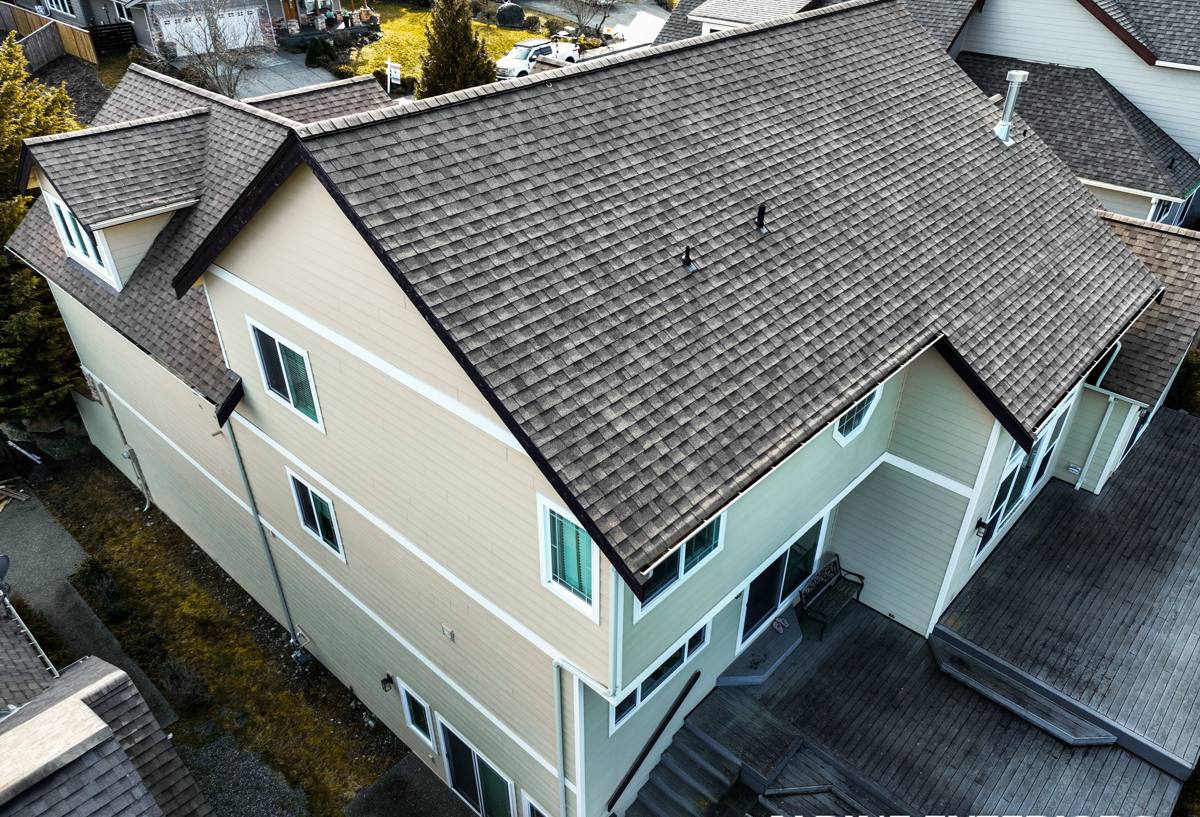
What Historic Kenwood Homes Ask Of a Deck
Older Framing, Different Standards
Many homes in this district were built well before current Florida Building Code wind-load and fastening requirements existed. That doesn't make the original framing bad — a lot of old-growth lumber is denser and more rot-resistant than what's milled today — but it does mean ledger attachments, joist hangers, and post connections were often built to a lower standard than we'd use on new construction. When we open up a deck for repair, we're frequently finding original nails where code now calls for structural screws or hardware-rated fasteners, and connections that were adequate in 1925 but wouldn't pass inspection today.
Mature Tree Canopy and Moisture
Kenwood's tree-lined streets are part of what makes the neighborhood attractive, but shade cuts both ways for a wood deck. Less direct sun means less UV degradation on the top of the boards, but it also means decking and framing underneath stays damp longer after rain or irrigation — exactly the condition wood-destroying fungus and termites need. We see more moisture-driven rot and more subterranean termite activity on shaded, tree-covered decks than on decks that get full sun most of the day.
How the Local Climate Wears Down a Deck
St. Petersburg sits on a peninsula surrounded by the Gulf and Tampa Bay, and that shows up in every deck repair we do. A few things stand out:
- Wind-driven rain gets pushed sideways under porch roofs and into ledger connections, end grain, and any spot where two pieces of wood meet — these are almost always where rot starts first.
- Intense, near-constant UV breaks down exposed wood fiber and any film-forming finish faster than it would in a milder climate, which is why painted or clear-coated decking in full sun needs more frequent maintenance here than the can label usually assumes.
- Salt air carried in off the water accelerates corrosion on fasteners, joist hangers, and any metal hardware that isn't rated for coastal exposure — galvanized hardware that would last decades inland can start rusting through in a fraction of that time here.
- Hurricane-force wind events put real lateral and uplift load on deck ledgers, guardrail posts, and stair connections — the parts of a deck that are hardest to inspect from the outside and easiest for an underqualified repair to overlook.
The Deck Problems We Most Often Find in This Neighborhood
Every deck is a little different, but repair calls in Kenwood tend to cluster around the same handful of issues:
- Soft or spongy decking boards, usually starting at the ends or wherever boards butt against the house
- Rusted or failing fasteners and joist hangers, sometimes with visible rust staining on the wood around them
- Ledger board separation or rot where the deck attaches to the house — often hidden behind decking or trim until probed
- Wobbly or leaning railing posts, which is frequently a sign of post-base rot rather than just a loose connection
- Termite damage in framing members, especially near grade contact or in shaded, poorly ventilated sections
- Stair stringer cracking or sagging from years of flexing under load
- Cupped, warped, or badly weathered decking boards that have outlived their finish
Repair or Replace? How We Make That Call
Not every deck problem means a full rebuild, and not every problem is safe to patch. We base the recommendation on what's structural versus cosmetic, and how much of the framing is still sound.
| Situation | Usually Repairable | Usually Needs Replacement |
|---|---|---|
| Surface wear (cupping, graying, minor cracking) | Yes — sand, refinish, or replace individual boards | Rarely, unless boards are structurally compromised |
| A few soft or rotted decking boards | Yes — spot-replace boards, check framing underneath first | Only if the framing beneath is also compromised |
| Rusted fasteners with sound wood | Yes — re-fasten with coastal-rated hardware | No |
| Ledger board rot at the house connection | Sometimes — depends on extent and wall condition behind it | Often, since this connection carries structural load |
| Widespread termite damage in joists or beams | Rarely — isolated members only | Yes — framing-level replacement |
| Leaning posts from base rot | Sometimes — sister or replace individual posts | Yes, if multiple posts and connected framing are affected |
What a Correct Repair Actually Involves
Start With the Structure, Not the Surface
A repair that only replaces what's visible and skips a structural check isn't a repair — it's a cosmetic patch that hides a problem for a while. Before we touch decking boards, we check ledger attachment, joist condition, post bases, and footing stability. If the framing is sound, the visible fix will actually last. If it isn't, no amount of new decking on top will fix that.
Fasteners and Hardware Matter More Here Than Most Places
Given the salt air and humidity, we use fasteners and connectors rated for coastal exposure rather than standard galvanized hardware. It costs a little more up front and saves the homeowner from redoing the same repair in five years because the screws rusted out from the inside.
Code Compliance and Historic District Considerations
Structural work — replacing a ledger, rebuilding a stair, adding or replacing guardrails — generally needs to meet current Florida Building Code requirements regardless of the home's age, and that often means a permit. Because Kenwood is a local historic district, exterior work that's visible from the street can also be subject to design review focused on preserving the historic appearance — things like railing style, decking profile, and visible materials. We flag this up front on porch and deck jobs in the district so it doesn't turn into a surprise mid-project.
Materials We Use — and the Trade-offs We're Honest About
There's no single right decking material for every historic Kenwood home; it depends on the look you need to maintain, your maintenance tolerance, and budget.
| Material | Upfront Cost | Maintenance | Fit for Historic Homes |
|---|---|---|---|
| Pressure-treated pine | Lowest | Needs re-sealing every 1–2 years in this climate | Good — matches traditional porch/deck look, easy to match existing framing |
| Cedar or other naturally rot-resistant wood | Moderate | Needs regular finish maintenance to hold color and resist moisture | Good — often chosen for visible porch decking on period homes |
| Composite decking | Higher | Low — no painting or sealing, occasional cleaning | Case-by-case — some historic district guidelines restrict composite in street-visible locations |
Our standard is to match structural framing in pressure-treated lumber for durability, and to talk through decking material options with the homeowner based on what's visible from the street versus what's tucked away. We're upfront that composite decking, while low-maintenance, isn't automatically the right call on a home where the historic district cares about preserving a traditional wood-porch appearance — that's a conversation worth having before materials are ordered, not after.
Our Process, Start to Finish
- On-site inspection: We get under the deck, check the ledger, probe framing with an awl for soft spots, and look at post bases and footings — not just the walking surface.
- Written scope and estimate: You get a clear breakdown of what's structural, what's cosmetic, and what it costs, so there are no surprise change orders mid-job.
- Permit and historic review, if required: We handle the paperwork for structural work and flag anything that needs district design review before we start.
- Repair work: Framing and structural fixes first, then decking, railings, and stairs, using fasteners and hardware rated for this climate.
- Final walkthrough: We check the repair with you and go over any maintenance recommendations specific to the materials used.
Why a Crew That Already Works This Neighborhood Matters
A deck repair contractor who's never worked in a historic district can still do competent framing — but they're often learning the permitting and design-review process on your job, which slows things down and can lead to work that has to be redone to satisfy the district's guidelines. Working regularly in Historic Kenwood and elsewhere in St. Petersburg means we already know what a ledger connection on a 1920s bungalow typically looks like once we open it up, what the district generally expects for street-visible porch and deck work, and how Pinellas County's humidity and salt air actually age different materials — not just what the spec sheet claims.
Keeping a Repaired Deck Sound Afterward
A good repair buys you years, but a few habits stretch that further in this climate: keep gutters and downspouts clear so runoff isn't pooling near posts and footings, re-seal or repaint wood decking on the schedule the finish actually needs here (usually shorter than the label suggests), and have the structure looked at after any major storm — not just the decking surface, but the connections you can't see from a casual walk-around.
If you've got a deck or porch in Historic Kenwood that's showing soft spots, rust stains, or a wobble that wasn't there last year, we're happy to take a look. Fill out the form below for a free, no-pressure estimate — we'll tell you honestly whether it's a repair or something bigger.