 St. Petersburg Siding
 Why Gulfport's Location Changes What Siding Has to Do
Gulfport sits right on Boca Ciega Bay, tucked into the west side of the St. Petersburg area, and that waterfront position means the siding on these homes works harder than siding just a few miles inland. Salt-laden air moves off the bay constantly, humidity sits high most of the year, and afternoon storms roll in fast and sideways during summer. Add hurricane-season wind gusts and Florida's relentless UV load, and you have a combination that finds every weak point in a wall system within a few years, not a few decades.
This isn't a page about siding in general. It's about what James Hardie fiber cement siding needs to look like, and be installed like, on a Gulfport home specifically — and why we don't treat this job the same way we'd treat one ten miles inland in Pinellas County.
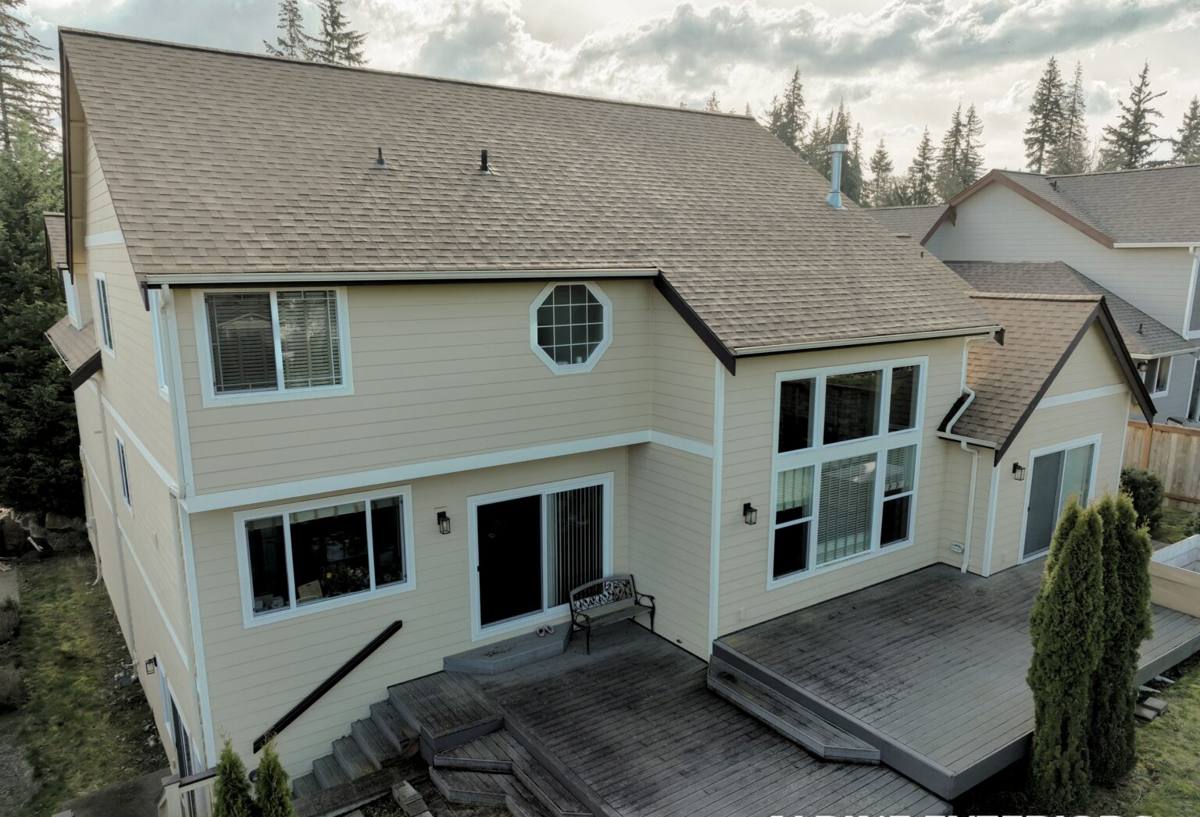
What Gulfport Homes Are Actually Up Against
A lot of the housing stock in and around Gulfport leans older — bungalow and cottage-style homes with character worth preserving, many built well before today's coastal building standards existed. That's part of what makes the area appealing, but it also means the wall assemblies behind the existing siding weren't necessarily built with 2026 wind and moisture expectations in mind.
Salt Air and Corrosion
Salt air doesn't just weather paint — it accelerates corrosion on fasteners, flashing, and any exposed metal trim. Siding systems that rely on softer or less corrosion-resistant hardware fail at the fastener line long before the siding panel itself gives out. Every fastener and flashing detail we spec for this area is chosen with that exposure in mind.
Wind-Driven Rain
Rain that comes in horizontally during a coastal storm finds gaps that vertical rain never would. Lap joints, butt joints, and penetrations (hose bibs, vents, light fixtures) are where wind-driven rain gets pushed behind the cladding if the water-resistive barrier and flashing weren't detailed correctly the first time.
UV and Heat Cycling
Florida sun is intense and consistent nearly year-round. Siding materials and finishes that aren't engineered for that UV load chalk, fade, or start absorbing moisture at the surface well ahead of their expected service life.
Why We Only Install James Hardie in This Kind of Environment
We standardized on James Hardie fiber cement siding company-wide, and in a bay-adjacent community like Gulfport that decision matters even more than it does elsewhere in St. Petersburg. Hardie's fiber cement is non-combustible, dimensionally stable in humidity swings, and factory-finished with ColorPlus technology — a baked-on finish that's built to hold color under UV exposure far better than field-applied paint. For coastal and near-coastal Florida homes, Hardie makes HZ5 product lines specifically engineered for high-humidity, high-moisture climates, which is the category Gulfport falls into.
We don't offer vinyl, LP SmartSide, or other fiber cement alternatives like Cemplank or Allura, and that's a deliberate standard, not a lack of options. Vinyl can warp and become brittle under sustained heat and UV, and it offers little resistance to wind-driven debris. Engineered wood products like LP SmartSide are wood-based at the core, which means their long-term performance depends heavily on maintaining an unbroken seal — a tall order in an environment where salt air and humidity are constantly working against any coating. Fiber cement without the moisture-management engineering Hardie has built into its HZ system doesn't carry the same track record in this specific climate. We'd rather install one product correctly, backed by a transferable warranty, than offer several and let homeowners guess which one holds up.
What a Correct Installation Involves Here
James Hardie siding is only as good as the wall system underneath it and the details around every joint, corner, and penetration. In a Gulfport-area install, a few things get extra attention.
Substrate and Moisture Barrier
Before any siding goes up, the existing wall gets inspected for rot, soft sheathing, or prior moisture damage — common on older bungalow-style homes where a previous siding job may have trapped water behind it for years. A properly lapped water-resistive barrier goes on correctly shingled (top piece over bottom piece) so any moisture that does get behind the cladding drains out instead of sitting against the sheathing.
Fastening and Flashing
We use corrosion-resistant fasteners driven to Hardie's specified pattern and depth — not just because it's the manufacturer's requirement, but because under-driven or over-driven nails are one of the most common causes of early siding failure, and salt air punishes any hardware that isn't rated for it. Flashing at windows, doors, and every penetration gets integrated with the water-resistive barrier, not just caulked over it. Caulk is a maintenance item, not a waterproofing strategy.
Joints and Gaps
Hardie specifies exact gap tolerances at butt joints, trim, and penetrations for a reason — those gaps allow the material to expand and contract with temperature and humidity swings without cracking the finish or forcing water into the seam. Skipping this step is invisible on install day and expensive two summers later.
Our Process for a Gulfport-Area Home
- On-site assessment — we walk the exterior, check for existing moisture or rot issues, and evaluate wind exposure based on the home's position relative to the water.
- Prep and repair — any compromised sheathing or framing gets addressed before a single piece of siding is hung. This is not an area to cut corners in a bay-adjacent climate.
- Water-resistive barrier and flashing — installed and integrated correctly, then inspected before siding coverage hides the work.
- Hardie panel or lap installation — fastened to spec, joints gapped correctly, trim and corners detailed for water shedding.
- Final walkthrough — we review the finished job with the homeowner and confirm caulking, paint touch-up (if field-cut edges need it), and overall fit and finish.
Cost Factors on a Gulfport-Area Job
| Factor | Why It Matters Here | Effect on the Job |
|---|---|---|
| Substrate condition | Older bungalow homes may have hidden moisture or rot from decades of prior siding | Can add repair scope before siding installation starts |
| Home size and wall complexity | Cottage-style homes often have more corners, gables, and trim detail per square foot than a simple rectangular footprint | More labor hours for cutting and flashing |
| Product line selection | HZ5 formulations and specific Hardie profiles (lap, panel, shingle-style) vary in material cost | Affects material budget, not labor |
| Existing siding removal | Tear-off and disposal of old siding adds time, especially with multiple prior layers | Adds labor and disposal cost |
| Access and staging | Waterfront lots can have tighter setbacks or limited equipment access | May affect scheduling and crew approach |
Maintenance Checklist for Hardie Siding Near the Bay
Hardie siding installed correctly needs far less attention than most alternatives, but a coastal environment still calls for a basic maintenance rhythm:
- Rinse siding with a garden hose a few times a year to clear salt residue, especially on sides facing the water
- Inspect caulking at window and door trim annually and re-caulk any cracked or shrunk joints
- Check for chalking or fading on the finish — with ColorPlus this should be minimal, and early fading can flag a warranty issue worth investigating
- Keep landscaping and irrigation heads from spraying directly onto the siding surface
- Look at fastener heads and flashing after major storms for signs of corrosion or loosening
- Address any soft spots, staining, or bubbling paint on trim immediately rather than waiting for the next inspection
Why Hiring a Crew That Already Works Gulfport Matters
A crew that regularly works this stretch of Pinellas County already understands the wind-load and moisture realities of building near Boca Ciega Bay, knows how St. Petersburg's permitting process runs, and has seen firsthand what happens to siding jobs that skipped proper flashing or fastening in this environment. That local pattern-recognition is the difference between a crew that follows a generic install checklist and one that knows which details actually matter for a home in this specific location. It also means faster response if a warranty question or storm-related concern comes up down the road — we're not driving in from across the state.
Ready for a Straight Answer on Your Home
If your Gulfport-area home needs new siding — or you're dealing with an aging installation that's starting to show its age from sun and salt exposure — we're glad to take a look and give you an honest assessment of what it needs. Reach out below for a free, no-pressure estimate and we'll walk the property with you before recommending anything.