 St. Petersburg Siding
 Windows Built for Disston Heights, Not for a Catalog Photo
Disston Heights is one of St. Petersburg's older, established neighborhoods, and that shows up most clearly at the windows. A lot of homes here are still running original single-pane wood or early aluminum-frame windows, or a mismatched round of vinyl replacements installed decades ago without much attention to how they'd hold up to Gulf Coast weather. Windows in this part of Pinellas County don't fail because homeowners neglect them. They fail because Florida's climate is genuinely hard on glass, frames, and the seals that hold everything together, and most of what's in the ground here was never built for it in the first place.
This page is about one thing: installing windows correctly on Disston Heights homes, accounting for the age and construction of the housing stock, the wind and moisture exposure of the area, and the code requirements that apply to any window going into a Pinellas County home today.
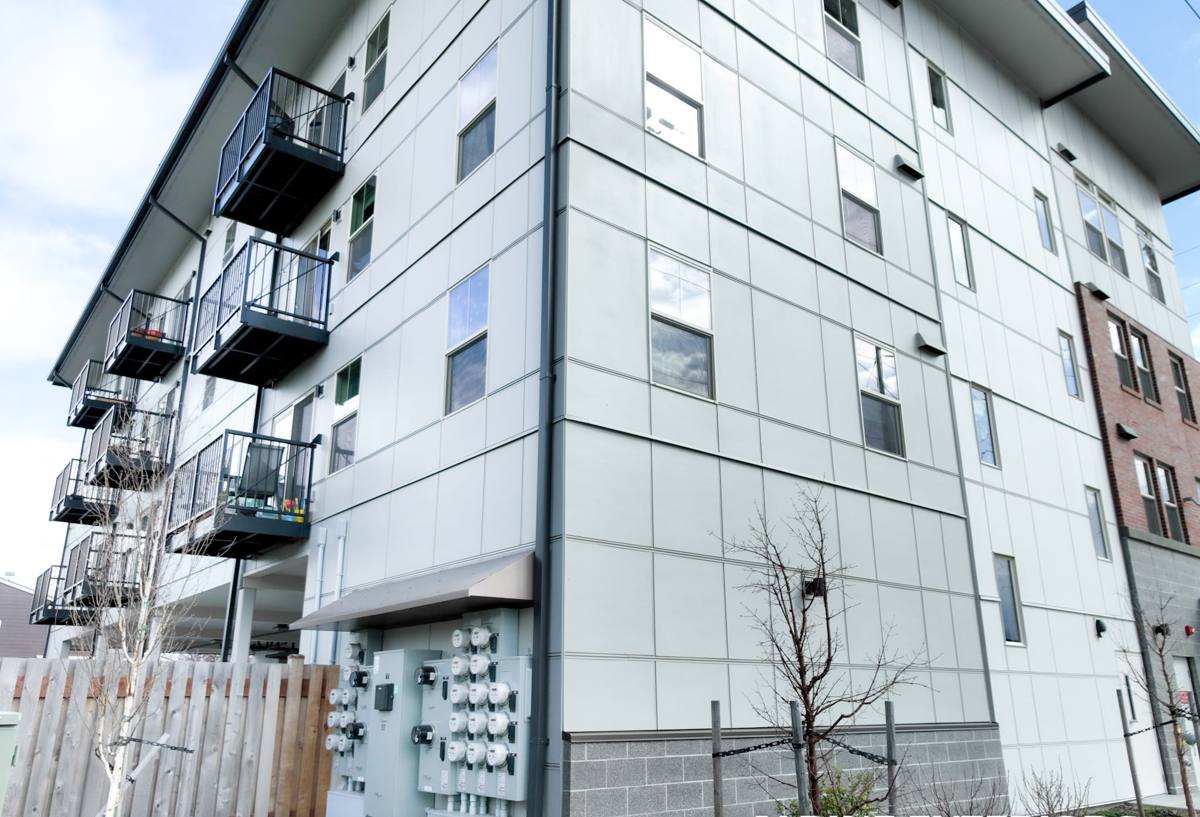
What St. Petersburg's Climate Actually Does to a Window
It helps to be specific about what's working against a window here, because it changes what "correct installation" means.
Year-Round UV
Central Florida sun is intense and constant, not seasonal. Vinyl frames without adequate UV inhibitors can chalk, warp, or discolor years before their rated lifespan. Glass coatings and seals degrade faster under sustained UV exposure than in most parts of the country, which is why the grade of vinyl and the quality of the glazing seal matter more here than they would in a milder climate.
Wind-Driven Rain
St. Petersburg doesn't just get rain, it gets rain pushed sideways by wind, sometimes hard enough to drive water into gaps that would stay dry in a calmer climate. A window that isn't flashed and sealed correctly on all four sides will eventually let water into the wall cavity, and that's a rot and mold problem long before it's a comfort problem.
Hurricane-Force Wind Loads
Pinellas County sits in Florida's wind-borne debris region under the Florida Building Code. That means new and replacement windows generally need to meet impact standards, or be paired with approved storm protection, and the frame has to be anchored to hold up under real pressure — not just resist a strong gust.
Salt Air
St. Petersburg's proximity to Tampa Bay and the Gulf means airborne salt is a real factor in hardware corrosion, especially on aluminum frames and steel fasteners that weren't rated for a coastal environment. It's a slower problem than wind or rain damage, but it shortens the life of the wrong materials.
The Housing Stock Around Disston Heights
Most of the homes in and around Disston Heights predate current energy and wind codes by decades. That matters for installation in a few practical ways:
- Original window openings are often slightly out of square after decades of settling, so a modern window can't just be dropped in — the opening has to be measured and, where needed, corrected.
- Older stucco or block construction may have wall cavities and moisture barriers that don't match what a new window's flashing system expects, which is where a lot of bad installs go wrong.
- Many homes still have single-pane glass and metal frames with no thermal break, so homeowners upgrading windows here often see a bigger jump in comfort and a bigger drop in cooling load than in a newer home.
- Some houses have a mix of window styles and eras from prior partial replacements, which is worth addressing as a whole-house plan rather than window by window if the budget allows.
What a Correct Installation Actually Involves
Window installation looks simple from the outside — old window out, new window in — but the parts that determine whether it lasts are mostly invisible once the trim goes back on.
- Opening inspection: checking for rot, corrosion, or moisture damage around the existing frame before anything new goes in.
- Squaring and leveling: shimming the new unit so it's plumb and square, not just wedged into whatever shape the old opening settled into.
- Flashing and water management: integrating the new window with the wall's moisture barrier so wind-driven rain is directed out, not trapped inside the wall.
- Sealing: continuous, correctly rated sealant on the exterior and appropriate insulation around the frame on the interior — gaps here are a direct path for both water and cooling loss.
- Anchoring to code: fasteners and spacing that meet the wind load rating required for the product and the home's exposure category.
- Finish work: trim, caulking, and paint or sealant lines that hold up to sun and rain rather than cracking within a season.
Choosing the Right Window for This Area
There isn't one "best" window for every Disston Heights home — it depends on the home's exposure, budget, and how much the homeowner wants to rely on separate storm protection. The honest trade-offs:
| Option | Upfront Cost | Day-to-Day Use | Storm Prep Needed | Maintenance |
|---|---|---|---|---|
| Impact-rated windows | Higher | No action needed before a storm; also cuts outside noise noticeably | None — always in place | Low; occasional hardware check |
| Standard windows + accordion or panel shutters | Lower upfront | Shutters must be deployed and removed each time | Manual, every storm | Moderate; shutter hardware needs upkeep |
| Standard windows, no shutters | Lowest upfront | Relies on plywood or other temporary protection | Highest effort, least reliable | Low, but highest risk exposure |
Frame material matters too. Vinyl with good UV-stabilized compounding holds up well and needs little maintenance in this climate. Aluminum is strong and slim-profile but should be a marine-grade or properly coated product near the coast to resist salt-air corrosion. Fiberglass performs well across heat and humidity swings but comes at a higher price point. Whichever material a homeowner chooses, we'll walk through the honest maintenance expectations rather than oversell one option.
Permits and Code Requirements in Pinellas County
Window replacement in St. Petersburg and unincorporated Pinellas County generally requires a permit, and the products installed need Florida product approval or Miami-Dade Notice of Acceptance documentation showing they meet the wind load and impact requirements for the property's location and exposure. This isn't paperwork for its own sake — it's what confirms the window was actually engineered for the pressures it'll face here, and it's often required for insurance purposes as well. We handle the permitting and documentation as part of the job, so homeowners aren't left chasing down approval numbers after the fact.
Signs Your Current Windows Are Past Their Useful Life
Homeowners often wait longer than they should because the signs are gradual. Worth acting on if you're seeing:
- Condensation between panes on double-glazed units — the seal has failed and it can't be repaired, only replaced.
- Difficulty opening, closing, or locking, especially after humid stretches.
- Visible daylight or a draft around the frame when the window is shut.
- Soft wood, bubbling paint, or staining on the interior or exterior trim.
- Noticeably higher cooling bills without another clear cause.
- Chalky, pitted, or corroded aluminum frames.
How We Work With Disston Heights Homeowners
We start with an on-site look at the actual openings — not just a room count — because the condition of the existing frames and wall assembly drives the plan more than the window brand does. From there we walk through material and impact-rating options against the home's specific exposure, provide a written scope and cost breakdown, and handle permitting before any old window comes out. Installation is scheduled to minimize the home being open to the weather, and every opening is inspected for rot or hidden moisture damage before the new unit goes in — issues we'll flag and price honestly rather than build over.
Because we work regularly in this part of St. Petersburg, we already know the general age and construction patterns of Disston Heights homes, which shortens the assessment and reduces surprises mid-project. A crew that's done this work up and down the same streets isn't guessing at how a 1950s or 1960s Pinellas County wall assembly behaves — they've already seen it.
What This Costs to Get Right
Pricing depends on window count, size, frame material, and whether the job is impact-rated or standard glass with separate shutters, so we won't quote a number here that doesn't apply to your house. What we can say honestly: the biggest cost driver isn't usually the glass, it's the labor and materials involved in properly flashing, sealing, and anchoring each opening — the part that determines whether the window survives its first real Gulf Coast storm season, and the part that's hardest to fix after the fact.
If you're weighing whether to replace a few windows or the whole house, or just want an honest read on what your current windows can handle, we're glad to take a look. Use the form below to request a free, no-pressure estimate for your Disston Heights home.