 St. Petersburg Siding
 Childs Park Roofs Work Harder Than the Brochures Admit
Childs Park is an established, tree-lined neighborhood in the heart of St. Petersburg, and like most of Pinellas County, it sits fully exposed to what Tampa Bay's weather dishes out. That means intense, near-constant UV exposure that bakes shingles and breaks down asphalt oils faster than in northern climates. It means wind-driven rain that doesn't just fall on a roof but drives sideways into laps, valleys, and flashing seams during summer storms. It means salt-laden air drifting in off the Gulf and the bay, slowly corroding exposed metal fasteners, flashing, and vents. And it means the real possibility of hurricane-force gusts during storm season, which put direct pressure on every nail, seam, and edge of a roof system.
None of that is unique to Childs Park specifically, but it is the reality every roof in this part of St. Petersburg has to be built to handle. A roof replacement here isn't just about swapping old shingles for new ones — it's about putting a system on the house that's actually engineered for this climate, installed the way Florida code requires, not the minimum way a rushed crew can get away with.
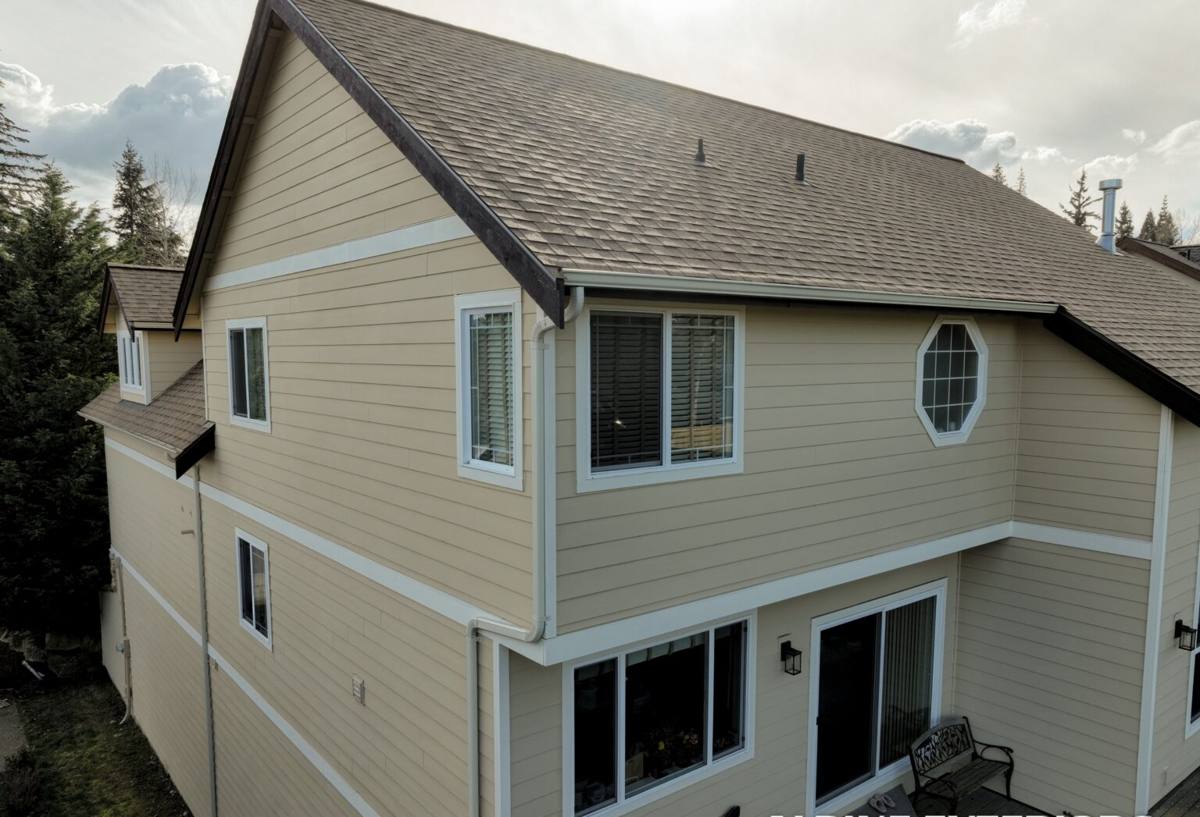
Signs a Childs Park Home Needs Replacement, Not Just Repair
Repairs make sense when the damage is isolated and the roof underneath is still sound. Replacement becomes the honest recommendation when the roofing system as a whole has aged out or been compromised broadly enough that patching one area just shifts the problem to the next. Here's what we look for during an inspection:
- Shingles that are curling, cupping, or losing granules across large sections, not just one spot
- A roof that's 18-20+ years old, especially if it's the original roof on the house
- Soft or spongy spots when walked, which usually means the decking underneath has taken on moisture
- Interior ceiling stains, especially ones that reappear after every heavy rain
- Missing or lifted shingles after a windstorm, particularly along ridges and edges
- Visible daylight through the roof deck from inside the attic
- Heavy algae or dark streaking combined with brittle, cracking shingle surfaces
- Flashing around chimneys, vents, or walls that's rusted, lifted, or was never properly sealed to begin with
If you're seeing two or three of these at once, it's usually a sign the whole system is past its service life rather than one bad shingle bundle.
What a Correct Roof Replacement Actually Involves
Full Tear-Off, Not an Overlay
We remove the existing roofing material down to the deck. Overlaying new shingles on top of old ones is faster and cheaper, but it traps heat, hides deck damage, and shortens the life of the new roof. In a climate that already stresses shingles from above with UV and below with attic heat, we don't add a second layer of that stress underneath a new one.
Deck Inspection and Repair
Once the old material is off, we inspect every section of decking for rot, delamination, or water damage — problems you genuinely cannot see or diagnose from the ground or even from the surface of an old roof. Any compromised sheathing gets replaced before anything else goes down. Skipping this step is one of the most common corners cut in the industry, and it's the one that causes the most expensive problems five years later.
Underlayment and Secondary Water Barrier
Florida's building code requires a secondary water barrier in most residential roofing assemblies — essentially a backup layer that keeps water out even if wind uplift compromises the primary roof covering during a storm. We install synthetic or self-adhered underlayment sized and sealed for that purpose, not just because code requires it, but because it's genuinely the difference between a leak and a dry attic during wind-driven rain.
Flashing, Drip Edge, and Ventilation
Valleys, chimneys, sidewalls, and roof-to-wall transitions are where most leaks actually originate, not the open field of shingles. New flashing, properly lapped and sealed drip edge, and correctly balanced intake and exhaust ventilation all go in as part of the system — not as afterthoughts. Poor attic ventilation in particular shortens shingle life in Florida's heat and can void manufacturer warranties outright.
Wind-Rated Fastening
The nailing pattern, fastener type, and shingle wind rating all have to match what Florida's high-wind code requires for this area. This isn't cosmetic — it's the actual engineering that determines whether a roof stays intact in a 90+ mph gust or starts peeling from the edges inward.
Roofing Material Options for Childs Park Homes
Most homes in this neighborhood are candidates for either architectural (laminate) asphalt shingles or metal roofing, with tile as a heavier, higher-cost option seen on some homes. Here's an honest comparison of how they stack up for this climate:
| Material | Typical Lifespan | Wind Performance | Upfront Cost | Maintenance |
|---|---|---|---|---|
| 3-Tab Asphalt Shingle | 15-18 years | Lower wind rating, edges vulnerable to uplift | Lowest | Moderate — earlier granule loss in intense UV |
| Architectural Shingle | 20-25+ years | Higher wind rating, better sealant strip performance | Moderate | Low to moderate |
| Standing Seam Metal | 40-50+ years | Excellent when properly fastened | Highest | Low — resists salt air well when coated properly |
| Concrete or Clay Tile | 40-50+ years | Good, but individual tiles can dislodge in extreme wind | High | Moderate — underlayment beneath tile still needs periodic attention |
Architectural shingles remain the most common choice for good reason — they balance upfront cost with real durability against sun and wind, and they're what most insurance wind mitigation credits are built around locally. Metal is worth serious consideration for homeowners planning to stay long-term, since the lifetime cost per year often ends up lower despite the higher install price.
Permits, Codes, and Insurance in Pinellas County
A roof replacement in St. Petersburg requires a permit through the local building department, along with inspections at key stages of the job. This isn't bureaucratic overhead — it's the mechanism that confirms the deck, underlayment, and fastening actually meet Florida's wind-load requirements, rather than just looking finished from the ground. We pull permits and schedule inspections as a standard part of the process, not an add-on.
A new roof, installed to current code, also typically qualifies homeowners for a wind mitigation inspection that can lower windstorm insurance premiums. We provide documentation of what was installed — underlayment type, fastening method, roof-to-wall connections — so you have what's needed to submit for that credit.
Our Replacement Process, Start to Finish
- Inspection and estimate — We walk the roof, check the attic, and give you a straight assessment of condition and options, with no pressure to decide on the spot.
- Material selection — We go over the tradeoffs above in the context of your budget and how long you plan to stay in the home.
- Permitting — We pull the required permit before work begins.
- Tear-off and deck inspection — Old material comes off, decking is inspected and repaired as needed.
- Dry-in — Underlayment and secondary water barrier go down so the home is protected even before the final roofing material is installed.
- Installation — Flashing, ventilation, and the roofing material go in to code-compliant wind specifications.
- Final inspection — The local building inspector signs off on the completed work.
- Cleanup and walkthrough — Magnetic sweep for nails, full site cleanup, and a final walkthrough with documentation you can keep for insurance and resale.
Why a Crew That Already Works in Childs Park Matters
Roofing companies that work this specific part of St. Petersburg regularly develop a feel for the housing stock here — the age range of the decking they're likely to find under older roofs, how mature tree canopy affects debris and drainage around a roofline, and how quickly the permit and inspection process moves through the local building department. That familiarity shortens the timeline and reduces surprises mid-project.
It also matters after the fact. A crew that's local and established isn't a stranger you have to track down if a question comes up two years later, and it's the same crew your neighbors are likely already calling after a bad storm — which means faster response when it counts, rather than being one more customer competing for attention with an out-of-area company stretched thin across the whole region.
Timing a Replacement Around Florida's Storm Season
The ideal window to replace an aging roof is before it's tested by a named storm, not after. If your roof is already showing wear, getting ahead of hurricane season reduces the risk of emergency tarping and storm-damage claims down the line. That said, roofs fail on their own schedule, not the calendar's — if you're dealing with active leaks or storm damage right now, the priority is getting a proper assessment quickly, regardless of the time of year.
If your Childs Park roof is showing its age or you just want an honest read on where it stands, we're glad to take a look. Use the form below to request a free, no-pressure estimate.