 St. Petersburg Siding
 Siding Installation in Gulfport: A Different Set of Demands
Gulfport sits right on Boca Ciega Bay, and that waterfront position shapes almost every decision that goes into a siding installation here. Homes in this part of Pinellas County take on a combination of stresses that inland properties simply don't see at the same intensity: sustained salt-laden humidity, direct bay-facing sun exposure, wind-driven rain that finds its way into every gap and seam, and the very real possibility of hurricane-force winds during storm season. Siding that isn't specified and installed with those factors in mind tends to show its age fast — fading, swelling, delaminating, or pulling away from fasteners years before it should.
This page focuses on one job, done right, in one place: new siding installation for Gulfport homes. Not a general overview of siding options, not a citywide St. Petersburg piece — the specific considerations that matter when the job site is a few blocks from the water in Gulfport.
What Gulfport's Housing Stock Brings to the Table
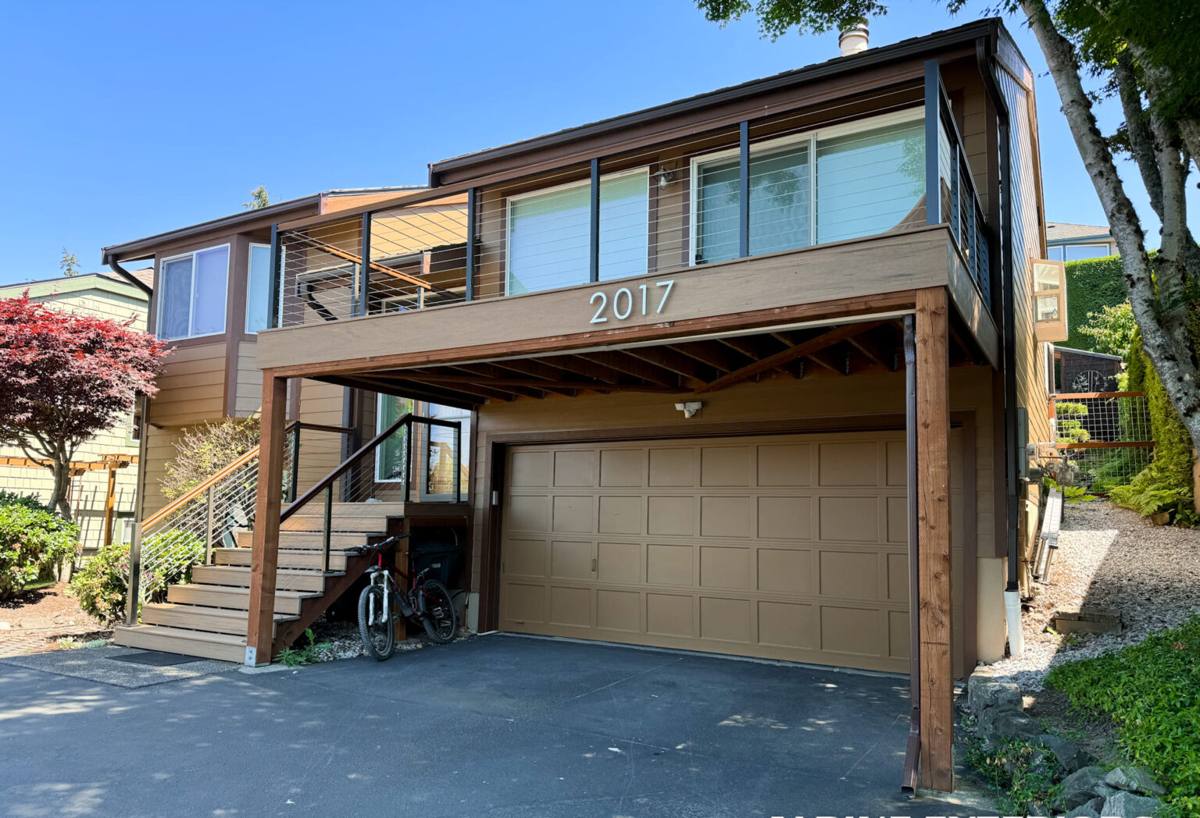
Gulfport is known for its mix of older Florida homes — bungalows, cottages, and mid-century houses alongside newer infill construction. That mix matters for a siding installer for a few practical reasons:
- Older framing and sheathing often need closer inspection before new siding goes on — rot, insect damage, and outdated water management details are more common on homes several decades old.
- Many of these homes have unique trim profiles, window surrounds, and architectural details that a crew needs to work around carefully rather than cover up with a generic install.
- Some properties have had prior renovations or additions where the original wall assembly doesn't quite match newer sections, which changes how flashing and transitions need to be handled.
- Homes closer to the bay tend to show more advanced weathering on their existing siding and trim, even when the structure underneath is sound.
None of that is a problem — it just means an installer needs to actually look at the house in front of them instead of running a one-size-fits-all process. A rushed tear-off-and-reinstall on an older Gulfport home can trap moisture behind new siding and cause damage that doesn't show up for a year or two.
Why "Just Match What's There" Isn't Enough
It's tempting to replace siding with something that looks similar to what's already on the house. But if the original material was underperforming in Gulfport's environment — vinyl that's chalked and faded, wood that's rotted at the bottom courses, or a fiber cement product that wasn't properly sealed and finished — matching it just resets the clock on the same failure. The better question isn't "what's already there," it's "what will actually hold up here."
The Climate Factors That Drive Every Decision
Four conditions define what a siding system needs to survive in Gulfport, and they compound each other rather than acting independently.
| Condition | What It Does to Siding | What the Siding Needs |
|---|---|---|
| Hurricane-force wind | Pulls at fastener points, lifts poorly secured panels, drives debris impact | Correct fastener schedule, engineered product rated for wind exposure, solid substrate attachment |
| Intense year-round UV | Fades color, breaks down surface coatings, dries out and cracks untreated wood | Factory-applied, UV-stable finish rather than field-applied paint that degrades faster |
| Wind-driven rain | Forces water sideways into seams, laps, and penetrations that vertical rain wouldn't reach | Proper overlap, sealed penetrations, a functioning water-resistive barrier behind the siding |
| Salt air | Accelerates corrosion of fasteners and trim, degrades weaker material bonds over time | Corrosion-resistant fasteners and a material that doesn't rely on a coating alone to resist moisture |
Individually, most siding products can handle one or two of these. The properties closest to the water in Gulfport need a product and installation method that holds up to all four at once, indefinitely, without constant homeowner maintenance to keep it that way.
Why We Install James Hardie Fiber Cement — and Nothing Else
We've made a deliberate decision as a company: we install James Hardie fiber cement siding exclusively. We don't install vinyl, LP SmartSide, Cemplank, Allura, or primed wood siding like spruce or cedar. That's not a marketing angle — it's a standard we hold because of what we've seen happen to lower-tier materials in exactly this kind of coastal, storm-exposed environment.
Vinyl can soften, warp, or crack under sustained heat and UV, and it isn't rated for the wind speeds hurricane season can bring to this coastline. Wood-based and engineered-wood products depend heavily on maintaining an intact protective coating — any breach lets moisture in, and moisture plus Florida humidity is a fast track to rot. Other fiber cement brands may be reasonable products in general, but James Hardie's HZ5 product line is specifically engineered for high-humidity, hurricane-prone climates like ours, with a factory-applied ColorPlus finish that's baked on rather than painted on site — which matters enormously under year-round Gulf Coast sun.
Fiber cement itself is also non-combustible, resists pests that wood siding attracts, and doesn't rely on a surface coating alone to keep water out the way vinyl does at its seams. When it's installed to the manufacturer's specification — not just nailed up — it's the product we're comfortable standing behind on a home that's going to face Gulfport's climate for the next several decades.
What a Correct Installation Actually Involves
Siding failures in coastal Pinellas County are rarely about the product itself — they're about installation shortcuts. A correct James Hardie installation in a wind- and moisture-exposed area like Gulfport includes:
Substrate and Moisture Management
- Removing old siding and inspecting sheathing for rot, delamination, or insect damage before anything new goes on
- Installing a continuous, code-compliant water-resistive barrier — this is the layer that actually keeps wind-driven rain out if water gets past the siding
- Properly flashing all windows, doors, and penetrations so water is directed out and down, not trapped behind the wall
Fastening and Wind Resistance
- Following James Hardie's published fastener schedule and clearances rather than a generic nailing pattern
- Using corrosion-resistant fasteners appropriate for a salt-air environment
- Maintaining correct clearances from grade, roofing, and decks so moisture doesn't wick into the bottom of the siding
Finish Details
- Sealing cut edges and joints per manufacturer specification to preserve the factory finish's protection
- Proper caulking and paint touch-up only where Hardie's install guide calls for it — not as a substitute for correct flashing
Every one of these steps exists because skipping it eventually shows up as a callback — a soft spot, a streak of water staining, a panel that's come loose in a storm. On a home a few blocks from the bay, there's less margin for error than there is further inland.
Our Process for a Gulfport Siding Installation
- On-site assessment — we look at the existing siding, sheathing condition, trim details, and any moisture or storm damage before quoting anything.
- Product and color selection — we walk through the appropriate James Hardie HZ product line and ColorPlus finish options for the home's style and exposure.
- Written scope and estimate — clear on what's included: tear-off, sheathing repair if needed, house wrap, flashing, siding, trim, and cleanup.
- Removal and substrate prep — old siding comes off, damaged sheathing gets repaired or replaced, not covered up.
- Weather barrier and flashing installation — the unglamorous layer that does most of the actual water-keeping-out work.
- Hardie installation to spec — correct fastener schedule, clearances, and sealed joints.
- Final walkthrough — we go over the finished job with the homeowner before calling it done.
What Drives Cost on a Gulfport Siding Job
| Factor | Why It Matters Here |
|---|---|
| Extent of substrate repair | Older Gulfport homes more often need sheathing repair discovered once old siding is off |
| Home size and wall complexity | Bungalow-style trim, multiple gables, and dormers take more labor than a simple rectangular wall |
| Hardie product line selected | Plank, shingle-style, and panel systems carry different material and labor costs |
| Access and site conditions | Narrower lots and mature landscaping common in older neighborhoods can affect staging and labor time |
| Trim and detail work | Matching or updating trim around windows and architectural features adds finish labor |
We don't quote a job without seeing it — anyone offering a firm number over the phone for a coastal Gulfport home hasn't actually accounted for what's behind the existing siding.
Why Hiring a Crew That Already Works Gulfport Matters
A crew that regularly works this part of Pinellas County already knows what to expect before they pull the first piece of old siding: the humidity load, the wind exposure this close to Boca Ciega Bay, and the kind of substrate condition common in an older housing stock. That translates into fewer surprises mid-project, tighter estimates, and installation choices — fastener spacing, flashing detail, clearance from grade — that are already dialed in for this environment rather than generic to inland Florida or another climate entirely. It also means a crew that's still local and reachable if a question comes up after a storm, not a company that worked the area once and moved on.
A Straightforward Next Step
If your Gulfport home's siding is showing its age — fading, staining, soft spots, or storm damage — or you're planning ahead of hurricane season, we're happy to take a look and walk you through what James Hardie fiber cement siding would involve for your specific house. There's a free, no-pressure estimate form below whenever you're ready.